CBN Advert
BOI, MAN, NECA Leaders To Chart Solutions For Low Productivity At WES 2025

…As nominations portal closes for WES 2025 Awards For Outstanding Economic Impacts

By Winifred Bosa


All is set for the annual WorldStage Economic Summit 2025 on Friday November 21, 2025 at The Event Centre, Nigerian Exchange Limited, 2/4 Customs Street, Lagos by 10AM, with top experts from the public, private and academia set to address the theme: Tackling the Issue of Low Productivity in Nigeria.

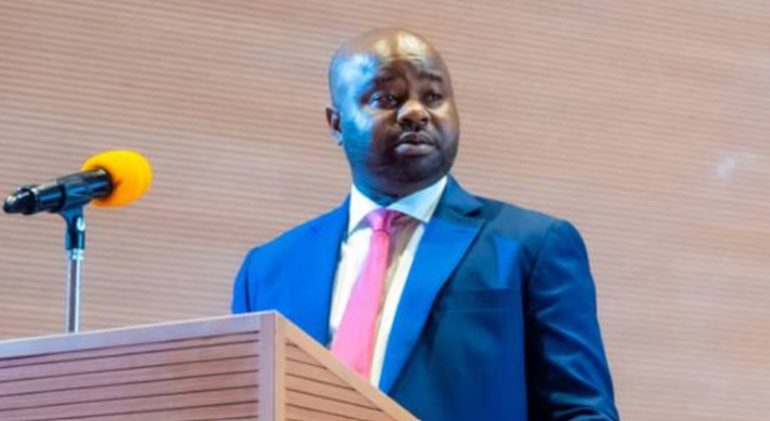
According to a statement by the organisers, World Stage Limited, a research and technology driven Africa focused firm, among the top chief executives that have confirmed participation in the summit include Dr. Olasupo Olusi, Managing Director/CEO, Bank of Industry (BoI); Mr Segun Ajayi-Kadir, Director-General, Manufacturers Association of Nigeria (MAN); and Mr. Adewale Smatt-Oyerinde, Director General, Nigeria Employers’ Consultative Association (NECA).

The statement also said that Dr Abidemi Adegboye, an academia from the University of Lagos, Nigeria will deliver a researched paper on why Nigeria’s economy has been trapped in low productivity over the years.

The statement confirmed that the online nominations by stakeholders including the media for the WES 2025 Awards For Outstanding Economic Impacts has closed.

It said winners from different sectors of the economy have been notified and will be presented with Certificates For Outstanding Economic Impacts during the summit.

WES is conceived to address economic challenges through diagnoses and application of practicable solutions with public and private sector engagement in a research and innovation driven platform to inspire new thinking in business initiative, policy formulation/implementation, economic reform and development.

Top corporate institutions that are supporting the WES 2025 include Central Bank of Nigeria (CBN), Nigerian Communications Commission (NCC), Nigerian Exchange Group Plc (NGX), NLNG, Zenith Bank, Access Bank, Polaris Bank, Fidelity Bank, Sterling Bank, Shara Group and Ecobank.

Other critical stakeholders for economic productivity expected to take the front seats at the summit include federal, state governments and private bodies responsible for food production, technology transfer, job creation, energy supply, blue economy, banking  and export promotion.

The statement said, the summit will specifically attract those in the manufacturing, oil and gas, housing, agriculture, and water resources, banking, insurance, maritime, ICT, aviation, mining, hospitality & tourism, health care, education, transportation, local and foreign investors, and the media.

Mr Segun Adeleye, President/CEO, World Stage Limited said one of the biggest challenges facing Nigeria’s economy is low productivity.

“Even-though many are working, almost half of Nigerians are estimated to be poor, living below the national poverty line with multidimensional poverty at 63% and income poverty at 40%, just because the right jobs are not available,” he said.

“The question being asked by many is that if Nigeria’s economy is transforming, does the transformation deliver higher productivity jobs to raise living standards?”

He explained that WES 2025 will provide a template to discuss evidence-based policies to generate jobs that can lift people out of poverty; legislative intervention to curb annual economic loss through multiple public holidays; ideas on how to boost earnings in activities that are currently low productivity and small scale activities such as in farm and non-farm household enterprises; a stable macro environment, requiring a continuation of fiscal and exchange rate reforms that will inspire better integrating firms into global value chains and attracting foreign direct investment; further opening of the economy to international trade by removing trade restrictions and improving trade facilitation, as well as ensuring skills are aligned with the economy’s needs; design and implement national skills programs aimed at upskilling young Nigerians, to ensure many more embrace digital skills and capabilities; upgrading infrastructure as key ingredients of an effective policy mix; aggressive integration of mineral resources into national income generation stream to benefit from the opportunities presented by AfCFTA; financing structural transformation with accelerated domestic resource mobilization through reforming tax administration.

WES has always been a hub of opportunity, an unparalleled platform for networking, learning, and adapting. It is an invaluable experience that brings together public, industry leaders and like-minded professionals.

Corporate Responsibility and Sustainability Week : FirstBank Unveils Global Kindness Initiative 

By Winifred Bosa
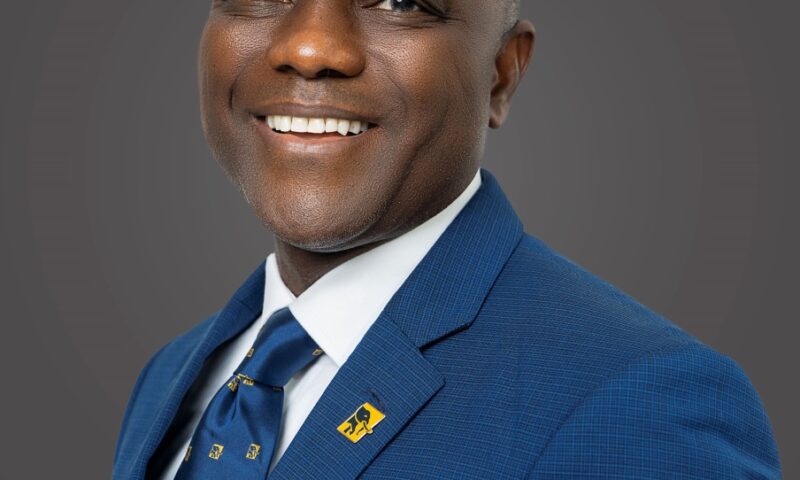
MD/CEO Of First Bank Olusegun Alebiosu
FirstBank, the premier bank in West Africa and a leading financial inclusion service provider, is proud to announce the commencement of its 2025 Corporate Responsibility and Sustainability (CR&S) Week, scheduled to hold from 27 October  – 1 November 2025.

Now in its ninth year, the annual event is a reflection of the Bank’s commitment to community empowerment, environmental stewardship, and the advancement of the United Nations Sustainable Development Goals (SDGs).

Through the ‘Start Performing Acts of Random Kindness’ (SPARK) initiative, FirstBank continues to build on its legacy of sowing seeds of kindness, with a focus on uplifting communities and reducing environmental impact. During CR&S Week, the Bank mobilises employees across the FirstBank Group, including FirstBank Nigeria, FirstBank UK, FirstBank Gambia, FirstBank Sierra Leone, FirstBank DRC, FirstBank Guinea, FirstBank Ghana, FBNBank Senegal, First Pension, and First Nominees, to dedicate their time and resources to meaningful causes aligned with the Bank’s sustainability strategy.

Commenting on the week-long event, Acting Group Head, Marketing & Corporate Communications at FirstBank, Olayinka Ijabiyi, said, “CR&S Week is a call to action. It is about showing up for humanity, being kind to one another, and proving that even the smallest act can ripple into lasting change. FirstBank believes that kindness is a currency that never devalues, and that is why every year since 2017, staff have gone the extra mile to give back to the communities through its SPARK initiative, while also encouraging people to perform acts of random kindness.”

The Bank plans to plant at least 20,000 trees within the week in partnership with the Nigeria Conservation Foundation (NCF), in the final phase of its support for the Nigeria’s 2060 decarbonisation agenda. This effort builds on the Bank’s pledge to plant 50,000 trees by 2025, with 31,000 trees successfully planted over the past two years.

Additionally, in line with FirstBank’s commitment to achieving the United Nations Sustainable Development Goal 5 (SDG) of women empowerment, the Bank will collaborate with Borno and Katsina States to raise and provide medical interventions (including surgeries and post-care kits) for women living with Vesicovaginal Fistula (VVF).

Throughout the week, FirstBank staff will be inspired to share messages of kindness, fostering a culture of compassion, civility, and empathy across the Bank. The programme will feature themed webinars centered on the SPARK initiative, as well as school engagements designed to instill the values of generosity and social responsibility in younger generations.

The week will culminate in visits to orphanage homes, internally displaced persons (IDP) camps, and charitable organisations across Nigeria, sub-Saharan Africa, and the UK, demonstrating kindness and empowering those at the bottom of the pyramid.

These initiatives epitomise FirstBank’s care for the environment and humanity, aligning with the Bank’s sustainability strategic pillars and support for the Green Recovery Nigeria

Since the first edition in 2017, FirstBank’s CR&S Week has spotlighted the Bank’s corporate citizenship interventions driving positive social impact, sustainability, and community engagement. Over the years, it has evolved into a platform that mobilises stakeholders and non-customers alike across its global network to champion causes that uplift lives, protect the environment, and promote inclusive development.  FirstBank is encouraging and inspiring individuals to go beyond their everyday routines and perform acts of random kindness.

Alpha Morgan Bank Opens New Branch In Osogbo

By Winifred Bosa

Alpha Morgan Bank opened its newest branch in Osogbo, Osun State, strengthening its commitment to bringing satisfying banking closer to customers across Nigeria.

The new branch, located at 165 Station Road, Osogbo, was commissioned by His Excellency, Prince Kola Adewusi, Deputy Governor of Osun State, in a ceremony that drew government officials, business leaders, and members of the Bank’s management team.

Prince Adewusi commended Alpha Morgan Bank for expanding into Osun, describing it as a move that will boost economic activities and improve access to quality financial services within the state.

Speaking at the launch, Mr. Ade Buraimo, MD/CEO Alpha Morgan Bank expressed gratitude to the government and people of Osun for their warm reception, reaffirming the Bank’s commitment to providing seamless, customer-focused, and satisfying banking experiences to everyone who Banks with them.

The new Osogbo branch features a modern banking hall and personalized financial services, offering customers the convenience, quality and satisfying banking experience Alpha Morgan Bank is known for.

Tax Clarity, Investor Confidence Depend On Judiciary’s Insight — FIRS Boss

Tax Clarity, Investor Confidence Depend on Judiciary's Insight - FIRS Boss | Pulse Nigeria

The Executive Chairman of the Federal Inland Revenue Service (FIRS) has praised the Nigerian judiciary for its “sound and consistent” tax rulings that have helped shape the nation’s fiscal landscape.


Speaking at a capacity-building workshop for Justices of the Supreme Court, Court of Appeal, and Judges of the Federal High Court on new tax laws, the FIRS Chairman commended the National Judicial Institute (NJI) for organizing the event, describing it as “timely and essential.”


According to him, the introduction of new tax laws, including amendments to the Finance Acts, the Petroleum Industry Act, and other subsidiary legislations, has “significantly reshaped our tax ecosystem” and demands deeper collaboration between the judiciary and tax authorities.


“The judiciary, through its interpretative powers, remains the ultimate arbiter in maintaining the delicate balance between the legitimate powers of tax authorities and the rights of taxpayers,” he said.


“Your consistent and sound pronouncements have provided stability, predictability, and fairness in the administration of the tax system.”


He noted that the timeliness and consistency of judicial decisions were critical to improving voluntary tax compliance, boosting investor confidence, and enhancing national revenue mobilization.


“Tax disputes that are resolved promptly and based on clear judicial principles foster compliance and contribute to economic stability,” he added.


The FIRS Chairman reaffirmed the Service’s commitment to continuous partnership with the judiciary through “knowledge sharing, provision of technical resources, and regular engagement.”


“As key stakeholders in the Nigerian tax system, we must continue to strengthen collaboration, foster dialogue, and develop mechanisms that promote early and effective resolution of tax disputes,” he emphasized.


He further observed that the global digital economy and cross-border transactions continue to present complex tax challenges, making judicial education more vital than ever.


In conclusion, he expressed confidence that the insights gained from the workshop would “enhance the quality of judicial pronouncements and contribute to a more efficient and equitable tax system in Nigeria.”

Nigeria recorded Over $50 Billion Cryptocurrency Transactions In One Year – SEC DG

The Director-General of the Securities and Exchange Commission (SEC), Dr. Emomotimi Agama, has disclosed that over $50 billion worth of cryptocurrency transactions flowed through Nigeria between July 2023 and June 2024, underscoring the sophistication and risk tolerance of investors that the traditional market has yet to capture.


Agama in a lead paper titled Evaluating the Nigerian Capital Market Masterplan 2015-2025 presented at the annual conference of the Chartered Institute of Stockbrokers, however raised concern over the alarmingly low participation of Nigerians in the traditional capital market, revealing that fewer than four percent of the country’s adult population are active investors.


He described the low participation rate as a major impediment to economic growth and capital formation.


He noted that while fewer than three million Nigerians invest in the capital market, more than 60 million engage daily in gambling activities, spending an estimated $5.5 million every day.


“This reveals a paradox, an appetite for risk clearly exists, but not the trust or access to channel that energy into productive investment.”


Agama also lamented that Nigeria’s market capitalization-to-GDP ratio stands at about 30 percent, far below South Africa’s 320 percent, Malaysia’s 123 percent, and India’s 92 percent, a disparity he said highlights the urgent need to deepen financial inclusion and rebuild investor confidence.


Recalling the vision of the ten-year CMMP launched in 2015, the SEC boss said it was designed to reposition Nigeria’s capital market as the engine of economic transformation by mobilizing long-term finance for infrastructure and enterprise development.


“Today, as we stand at the sunset of that ten-year plan, our task is not ceremonial; it is reflective and diagnostic. We must ask: what did we achieve, where did we fall short, and what lessons must anchor our next decade of reforms?” he stated.


Agama disclosed that less than half of the 108 initiatives under the CMMP were fully achieved, blaming limited alignment with national development plans, inadequate tracking metrics, and weak stakeholder ownership for the shortfall.


Despite progress in areas such as Green Bonds, Sukuk, fintech integration, and non-interest finance, he said market liquidity remains concentrated in a few large-cap stocks like Airtel Africa, Dangote Cement, and MTN Nigeria.


Agama, who listed six key challenges for the next phase of reforms, pointed at low retail participation, market concentration, falling foreign inflows, underutilized pension assets, untapped diaspora capital, and a widening infrastructure financing gap.


“Nigeria’s $150 billion annual infrastructure deficit far exceeds the market’s contribution, with only N1.5 trillion approved in PPP bonds. This shows a misalignment between financial innovation and national priorities,” he observed.

The DG called for a “reimagined SEC” that serves as both regulator and enabler of private-sector-driven growth, and added the next decade must focus on trust-building, transparency, and inclusion.

“Vision without execution is inertia — and reform without measurement is aspiration without accountability,” he declared.

FATF Delisting Will Boost Investor Confidence In Nigeria — SEC DG


Director General of the Securities and Exchange Commission, Dr. Emomotimi Agama has hailed Nigeria’s removal from the Financial Action Task Force grey list, describing it as a clear reflection of the country’s renewed policy direction and commitment to transparency.


FATF on Friday announced the delisting of Nigeria from its grey list of countries with deficiencies in anti-money laundering and counter-terrorism financing frameworks.


Speaking on Channels Television’s Morning Brief, Dr. Agama, said the development would significantly enhance investor confidence and attract more foreign investments.


“It means so much for us in the capital market; it means so much for us in the financial system. It brings about something that we have been craving for – investor confidence


“The release of Nigeria from the FATF grey list means that investor confidence would be boosted. Delisting from that grey list sends a very strong signal to investors and trading partners that Nigeria has made significant progress in strengthening its anti-money laundering and countering of financing of terrorism regulations,” Agama said.


He described the delisting as a “welcome call to new investments,” saying it would further strengthen productivity and growth in the Nigerian economy.


After implementing a 19-point action plan, the FATF removed Nigeria from the list more than two years later, acknowledging the country’s progress in tightening its AML/CFT framework.


Agama described the development as a major milestone in Nigeria’s journey towards economic reform, institutional integrity, and global credibility and commended the Mrs. Hafsat Abubakar Bakari, Director/Chief Executive Officer of the Nigerian Financial Intelligence Unit and her team for their diligence in implementing the country’s action plan.


According to him, “The NFIU was in the fore front of this initiative and we commend their commitment which has earned Nigeria global recognition for its strengthened institutional framework to tackle financial crimes”


He also praised the efforts of the National Security Adviser, the Secretary to the Government of the Federation, the Ministers of Aviation, Budget and Economic Planning, Defense, Foreign Affairs, Solid Minerals, and State for Finance, as well as the leadership of the National Assembly and the Judiciary.

Seplat Energy Advocates Entrepreneurship For Media Professionals, Urges Preparedness For Retirement

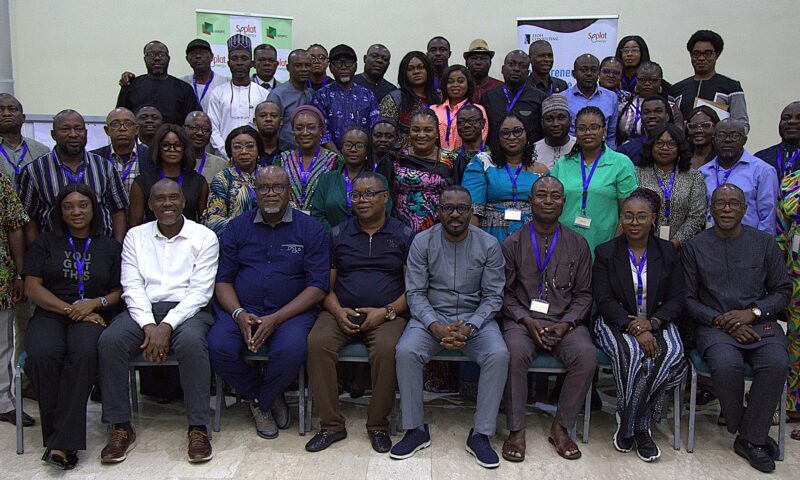
Seplat Energy Plc, leading Nigerian independent energy company, has held the 2025 Annual Media Training Programme in Abuja, in line with the company’s commitment to media excellence, entrepreneurship and economic well-being.

The training programme which had in attendance 50 journalists, brought together media professionals in the Capital City for a two-day hands-on learning, expert-led sessions, and transformative insights into the evolving media landscape and entrepreneurship opportunities open to media practitioners.

Journalists, in attendance, were exposed to various business opportunities they can venture into so as to create more value and broaden their horizons whilst working to be entrepreneurs.

Delivering a session on “Can Managers or Professionals (such as Journalists) make good Entrepreneurs?”, Nigerian professor of political economy and management expert, Professor Pat Utomi, examined the difference between the entrepreneurial and the managerial mindset trends, talent and opportunities spectrum. He identified entrepreneurship as quantum leap in value creation.

A former Director of the Lagos Business School, Dr. Solomon Avbioroko, who spoke on “Ego States Profile and Impact on Transactional Analysis” noted that Ego states are the foundational elements of Transactional Analysis, influencing how we communicate, interact, and understand ourselves and others.

Avbioroko also anchored the session on “Second Phase of Life: Overcoming the Phobia”, observing that retirement is not an end but a beginning, an opportunity to experiment and explore, to engage in valued pursuits and to reinvent our legacy.

The session on “Understanding Digital Marketing: With a focus on Customer Journey Mapping” by Abiola Adedeji, a seasoned trainer, espoused the importance, benefits and components of digital marketing, as well as Digital customer journey mapping as a tool for creating communication strategy that builds a conversation with customers.

Uloma Okoro, a lawyer and serial entrepreneur delivered a session on “Developing A Business Model and Writing a Winning Business Plan”. She advised participants that, as professionals, the business world is a different and new environment, hence, the need to test the waters first before diving straight in. She further advised on the need to learn, unlearn and re-learn, as mistakes are all part of the learning process.

In his sessions, seasoned Chemical engineer and trainer, Olu Onakoya spoke on “The Socio-Economic Environment and Challenge of Entrepreneurial Ventures: Entrepreneurial Leadership & Venture Financing” as well as “Financial Intelligence – Key Enabler of Prudent Investment: Lecture and Experience Sharing.

In a session on “Media Technology: Trends, Importance & Adaptability – Lecture, Exercises & Class Discussion”, Nnamdi Uwaemelulam, a video editor and multimedia producer, emphasised the need for media professionals to embrace evolving technologies. He discussed innovative content formats, cross-platform media habits, and the critical role of personalisation and algorithms.

Earlier in his remark, Stanley Opara, Manager Corporate communications, Seplat Energy Plc, who represented Chioma Afe, Director, External Affairs & Social Performance, highlighted Seplat Energy’s commitment to developing capacity of its media stakeholders, fostering increased professionalism, and driving career sustainability. He commended the media representatives for their quest for knowledge and assured them of Seplat Energy’s commitment in consolidating on the company’s existing partnership with the media, going forward.

The 2-day event was an impactful blend of thought leadership, skill-building workshops, and interactive sessions. It also featured brain teasers and fostered a dynamic learning environment tailored to media professionals aspiring to venture into entrepreneurship, be it in the media or other fields.

NGX Group Fuels Women’s Investment Drive, Engages 9,000 At FinTribe Finance Fair 2025


NGX Group, CSCS To Host 2025 International Women's Day Celebration – City  Business News


Nigerian Exchange Group (NGX Group), through its regulatory subsidiary, Nigerian Exchange Regulation Limited (NGX RegCo), has reaffirmed its commitment to expanding financial inclusion and deepening retail investor participation following the successful FinTribe Finance Fair 2025, which convened over 9,000 women focused on wealth creation and capital market opportunities.


The event, organized by FinTribe, one of Nigeria’s fastest-growing women’s finance communities, has become a leading platform for promoting financial literacy and building investment confidence among women. NGX RegCo’s participation, through its flagship EquipHER initiative, featured interactive sessions that demystified capital market concepts and empowered women to make informed investment decisions.


“You have what it takes to step into greater capability and control over your financial agenda,” said Olufemi Shobanjo, Chief Executive Officer, NGX RegCo. “The same mindset that drives you to start a business, buy a home, or save for your child’s education, to plan, commit, and follow through, is exactly what makes women exceptional investors.”


Commending FinTribe for its sustained commitment to financial education, Shobanjo emphasized that the Nigerian capital market offers practical frameworks for translating financial discipline into purposeful wealth-building strategies. “Financial inclusion begins with awareness,” he affirmed. “When women understand how the market works, they can own their financial futures and build sustainable wealth.”


In alignment with these educational efforts, NGX Group’s technology-driven innovations are lowering barriers to market entry. The Group’s digital investment platform, NGX Invest, enables investors to participate in public offers and rights issues directly from their smart devices, bridging awareness with active market participation.


Jennifer Awirigwe, founder of FinTribe and popularly known as Financial Jennifer, commended the collaboration for driving meaningful impact. “Our partnership with NGX RegCo through EquipHER has created a bridge between knowledge and action,” she stated. “Women are not just learning about finance, they are taking ownership of their financial journeys and inspiring others to do the same. It’s equipping her, not in words, but in action.”


During an interactive Q&A session, Shobanjo addressed questions on share ownership transfers, portfolio management, and investment process navigation, encouraging participants to engage licensed stockbrokers and financial advisers for transparency and efficiency. “It can seem overwhelming at first,” he acknowledged. “But with the right professional guidance, investors can easily navigate the process and take control of their holdings.”


Throughout the fair, the EquipHER booth became a hub of engagement, attracting participants eager to learn how to initiate or expand their investment portfolios.


This initiative complements NGX Group’s broader retail engagement strategy, aimed at deepening participation in Nigeria’s capital market. Recently, the Exchange participated in a public lecture at Godfrey Okoye University, Enugu, themed “Harnessing the Capital Market for Catalyzing Infrastructure Development and Economic Transformation in Nigeria,” reinforcing NGX’s conviction that an informed and engaged public is essential to sustainable economic growth and inclusion.


Through initiatives such as EquipHER and regional retail engagements across Nigeria, NGX Group continues to build a more inclusive, informed, and empowered investor base, reflecting its vision to deepen market participation across gender, geography, and generation.

Ukachukwu  Receives Salvation  Army’s Highest Award 

By Nnedinma Michael
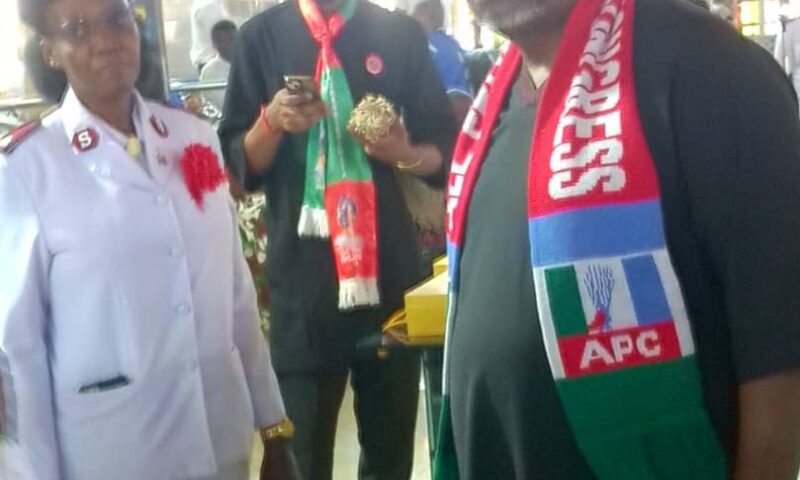
Prince Nicholas Ukachukwu’s  recent activities as the All Progressives Congress (APC) Governorship Candidate in Anambra State have garnered significant attention, attracting the “Distinguished Service in the Vineyard of God Honours Award” by Salvation Army,  South East Commandry, Onitsha.
The award, which according to the Divisional Commander of the Church, Lt. Col. Godspower Anozie, was in recognition of his exemplary support for God’s work, highlights his commitment to faith and community service.
 Anozie disclosed that Salvation Army had received  several recognitions of his good works and selfless services in the vineyard of the lord, adding that the award is the highest award given to non- salvationists for exceptional services.
Ukachukwu, who expressed appreciation for the award from people of God, narrated his humble beginnings and his dedication in the things of the lord, counting his blessings and breakthroughs in life.
He stated that he has two carriers in life, one as a politician and another as a missionary, although the political side comes seasonally, while the missionary side is stable and active.
While presenting the award, Lt Col Nwachukwu  Onyilimba from Lagos, showered his blessings on Ukachukwu and prayed for a successful election in the state on November 8.
Sustainability Table Discourse Series : IHS Nigeria Reaffirms Commitment To Infrastructure

IHS Nigeria Restates Commitment to Green Growth During Sustainability Table  DiscourseBy Winifred Bosa
 IHS Nigeria, part of the IHS Holding Limited (NYSE: IHS) group, one of the largest independent owners, operators, and developers of shared communications infrastructure in the world, has reiterated its commitment to advancing sustainability, environmental stewardship, and community empowerment through responsible telecommunication infrastructure.
This reaffirmation came during the Sustainability Table Discourse Series (STS) themed “Sustainability in Action: Scaling the Impact of a Thriving Future to Achieve the SDGs,” where industry leaders, policy makers, and private sector players converged to discuss the role of collaboration, innovation, and circular economy models in achieving Nigeria’s sustainability goals.
Representing Kazeem Oladepo, Senior Vice President and Chief Operating Officer, IHS Nigeria, Gimba Mohammed, Director, Government and External Relations, IHS Nigeria, delivered the keynote address titled “Sustainability in Action: Scaling Impact for a Thriving Future Through Sustainable Telecommunications Infrastructure – A Provider’s Perspective.”
In his remarks, he emphasized that sustainability remains central to IHS’s operations and long-term strategy.
 “Sustainability is at the heart of who we are. It is embedded within our corporate values and reflected in every aspect of our operations, from powering sites sustainably to nurturing the communities we serve and promoting sound ethical practices throughout our business,” he said.
He further highlighted Project Green, describing it as an IHS Group initiative and a key step in the company’s carbon reduction roadmap.
“Through Project Green, IHS Towers continues to prioritize alternative energy sources to reduce dependency on diesel. Across our markets, we have reduced diesel consumption by nearly 50 million litres, and in Nigeria fitted over 6,000 power sites with hybrid energy solutions, and connected almost 4,000 sites to the grid,” Gimba noted.
In addition to its clean energy initiatives, IHS Nigeria has made significant strides in community and environmental development.
These include planting 4,000 trees across eight states, installing solar streetlights in underserved communities, and collaborating with Green Hope Africa to launch the Climate Action Superheroes (CASH) initiative, an educational program aimed at empowering students to become climate ambassadors.
The company’s efforts in e-waste management were also highlighted, following its partnership with the Electronic Producers Responsibility Organisation of Nigeria (EPRON).
“We trained 214 participants, including collectors and regulators, and supported the establishment of 69 waste collection centers across six states and the FCT. Our goal is to drive sustainable waste management practices through advocacy and strategic collaboration,” Gimba said.
During the panel session, Ghaith Al Hasan, Director, Engineering and Design, IHS Nigeria, elaborated on the success of Project Green and the importance of strong partnerships in achieving scale.
“Our experience has shown that the right partnerships, technologies, and maintenance structures are essential for sustainability.
Today, IHS operates renewable energy systems across more than 10,000 sites in Nigeria, demonstrating what is possible when innovation meets commitment,” he stated.
Adding a regulatory perspective, Grace Majekodunmi, Principal Environmentalist Scientist and Regulatory Specialist, National Environmental Standards and Regulations Enforcement Agency (NESREA) spoke on the circular economy model being adopted across Nigeria’s manufacturing sectors.
“Producers must now take responsibility for the entire lifecycle of their products, from production to disposal.
The Extended Producer Responsibility framework ensures that manufacturers adopt cleaner technologies and minimize waste,” she explained.
Representing the agricultural sector, Aisha Raheem-Bolarinwa, Chief Executive Officer, Farmz2U discussed the role of technology and collaboration in building climate-resilient value chains.
“We don’t have a production problem as much as we have a distribution problem. Technology can enable resilience, but without hard infrastructure and supportive policy, farmers cannot access the full benefits,” she noted.
From a financing and investment standpoint, Adaobi Nnorukah, Investment director, ARM-Harith Infrastructure Limited, highlighted the importance of early engagement with equity partners to secure climate infrastructure funding.
“Successful climate projects require institutional investors at the table from the start. Early collaboration helps identify and manage risks, ensuring projects remain bankable and sustainable,” she said.
In concluding his keynote speech, Gimba reaffirmed IHS Nigeria’s ongoing commitment to sustainable growth and partnership.
“At IHS Nigeria, we are deliberate about scaling impact through sustainable infrastructure. Our mission is to ensure that our assets not only connect people digitally but also empower them environmentally, economically, and socially,” he concluded.