

CBN Advert
Fidelity Bank Grows Gross Earnings By 46% To ₦748.7 Billion For H1 2025



Fidelity Bank Plc has announced its audited financial results for the half-year ended 30 June 2025, demonstrating resilience and sustained growth across key performance indicators.


Highlights of the financial results which was uploaded on the Nigerian Exchange (NGX) portal on Thursday, 13 November 2025 shows that the bank delivered robust results across key financial metrics including Gross Earnings, which stood at ₦748.7 billion, up from ₦512.9 billion in H1 2024; Net Interest Income, which rose to ₦420.4 billion, compared to ₦326.4 billion in H1 2024; and Customer Deposits, which grew to ₦7.2 trillion, from ₦5.9 trillion in FY 2024.

Similarly, the bank’s Net Revenue increased to ₦444.4 billion, compared to ₦396.8 billion in H1 2024.

Fidelity Bank continued to expand its digital banking footprint, enhance customer experience, and support key sectors of the economy. The bank’s loan book grew, with Net Loans and Advances expanding to ₦4.9 trillion, up from ₦4.4 trillion in FY 2024, reflecting increased support for businesses and individuals. Asset quality remained stable, with non-performing loans well within acceptable limits.


The bank’s capital raising initiatives have further strengthened its financial position, ensuring readiness to meet new regulatory requirements and pursue growth opportunities. Fidelity Bank’s strong liquidity profile and robust governance framework provide a solid foundation for continued success.

Ranked among the best banks in Nigeria, Fidelity Bank Plc is a full-fledged Commercial Deposit Money Bank serving over 9.1 million customers through digital banking channels, its 255 business offices in Nigeria and United Kingdom subsidiary, FidBank UK Limited.


The Bank is a recipient of multiple local and international Awards, including the 2024 Excellence in Digital Transformation & MSME Banking Award by BusinessDay Banks and Financial Institutions (BAFI) Awards; the 2024 Most Innovative Mobile Banking Application award for its Fidelity Mobile App by Global Business Outlook, and the 2024 Most Innovative Investment Banking Service Provider award by Global Brands Magazine. Additionally, the Bank was recognized as the Best Bank for SMEs in Nigeria by the Euromoney Awards for Excellence and as the Export Financing Bank of the Year by the BusinessDay Banks and Financial Institutions (BAFI) Awards


FG Moves To Bridge Housing Gap As SEC, FMBN Partner On Non-Interest Mortgage Framework

In a significant move aimed at tackling the nation’s massive housing deficit and deepening financial inclusion, the Securities and Exchange Commission (SEC) and the Federal Mortgage Bank of Nigeria (FMBN) and have announced a strategic collaboration to develop a robust Non-Interest Mortgage (NIM) ecosystem.


The partnership, unveiled at a high-level meeting in Abuja, Friday, seeks to create and regulate viable, Sharia-compliant financing structures that will enable millions of Nigerians, particularly those excluded from conventional interest-based loans, to access affordable homeownership.


With Nigeria’s housing deficit estimated to be over 28 million units, the initiative is being hailed as a potential game-changer. It directly addresses a key barrier to homeownership: the affordability and religious compliance of mortgage products for a significant segment of the population.


Director-General of the SEC, Dr. Emomotimi Agama while emphasizing the Commission’s role in ensuring the integrity and stability of the proposed financial instruments, stated that the SEC would provide the necessary regulatory guidance and framework to facilitate the issuance of Sukuk (imic bonds) and other non-interest capital market products to fund these mortgages.


“Our collaboration with FMBN is pivotal to unlocking long-term financing for the housing sector,” Dr. Agama said. “By creating a clear regulatory pathway for non-interest mortgage-backed securities, we can attract ethical investors, both domestic and international, to channel funds into this critical area. This will create a virtuous cycle of funding, construction, and ownership.”


In his remarks, the Managing Director/Chief Executive Officer of FMBN, Mr. Shehu Osidi, stated that the collaboration marks a critical step in fulfilling the bank’s mandate to provide affordable housing for all Nigerians.


“For a long time, a substantial number of our citizens have been unable to participate in the National Housing Fund (NHF) scheme due to the interest-based nature of conventional mortgages. This partnership with SEC is a strategic response to that gap. We are committed to developing non-interest mortgage products that are not only ethical and inclusive but also financially sustainable.”,”Osidi said.


Also commenting, Housing and finance expert, Mr Ebilate McYoroki , welcomed the development describing it as “long overdue.”
“This is a masterstroke in financial inclusion,” he said. “It taps into a vast pool of potential homeowners and investors who have previously been on the sidelines. If implemented transparently, it could significantly accelerate the pace of housing delivery in the country.”


The successful implementation of this framework is expected to not only reduce the housing deficit but also stimulate the construction industry, create jobs, and foster greater financial inclusion, ultimately contributing to national economic growth.
How the Non-Interest Mortgage Model Works.


Unlike conventional mortgages that charge interest, non-interest financing is based on principles of risk-sharing, asset-backing, and equitable returns. The models under consideration include:
· Musharakah (Diminishing Partnership): The bank and the customer jointly purchase a property. The customer gradually buys out the bank’s share through periodic payments, eventually becoming the sole owner.
· Ijara (Lease-to-Own): The bank buys the property and leases it to the customer for a fixed period. A portion of the rental payments goes towards the eventual ownership transfer.
· Murabaha (Cost-Plus Sale): The bank acquires the property and sells it to the customer at a pre-agreed markup, payable in installments.

PH AirportCity Positioned To Reshape High-End Housing And Spur Statewide Economic Growth


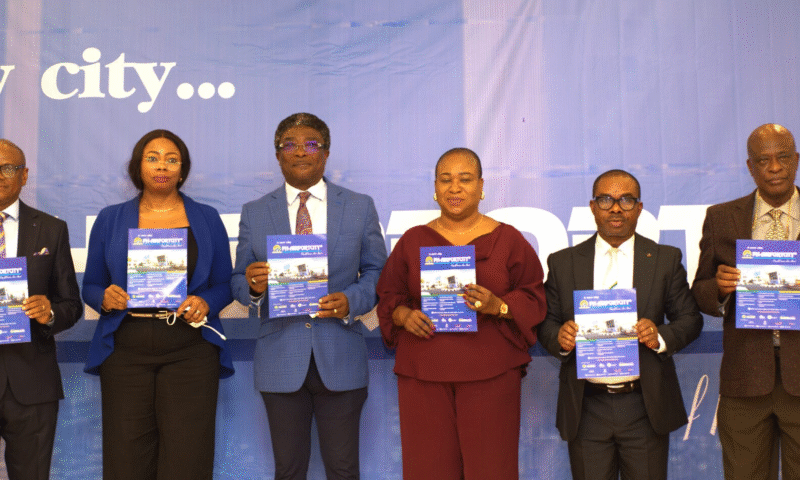
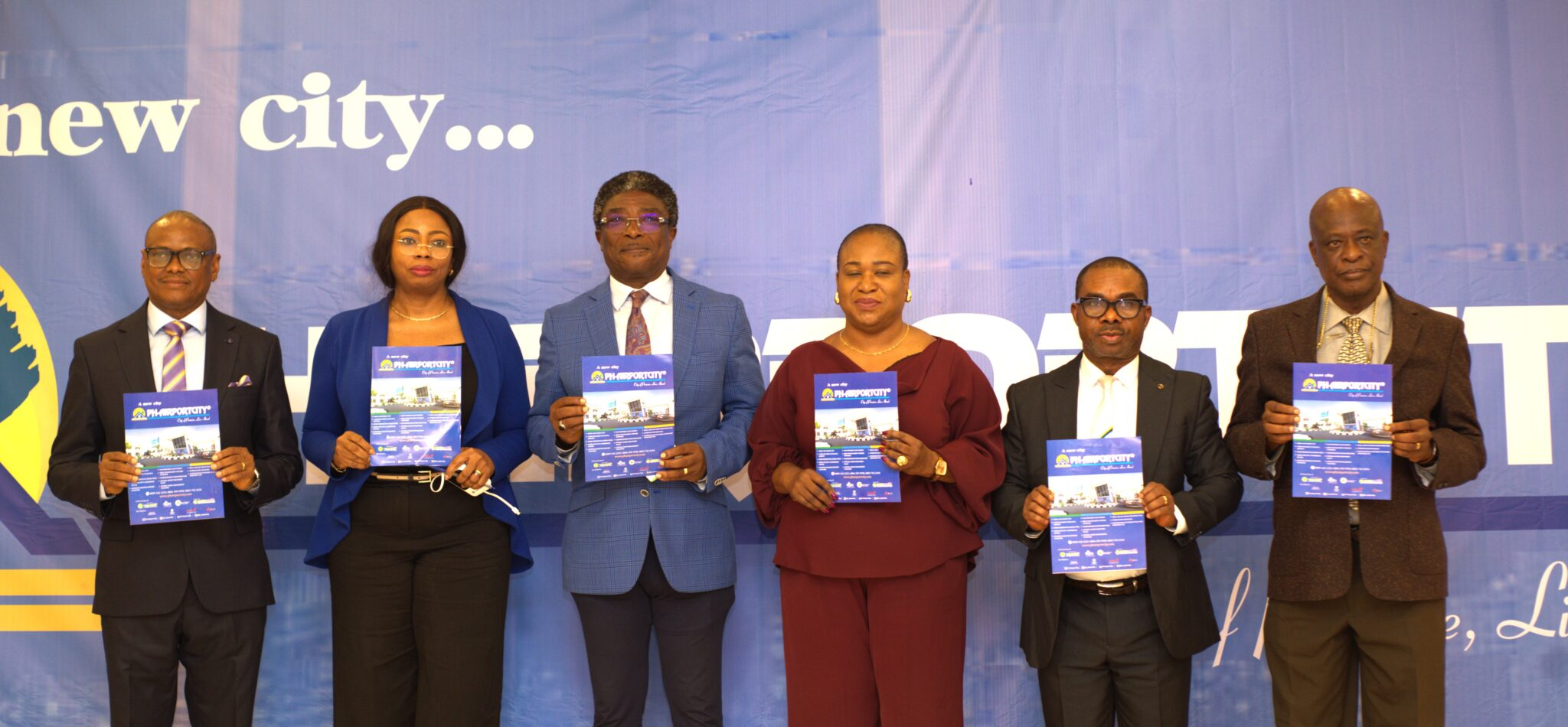
A bold new urban vision is taking shape on the outskirts of Port Harcourt as the Rivers State Government and Masta Services Company Limited jointly unveiled PH AirportCity, a self-sustaining mini city designed to attract top executives, investors, and long-time residents back to the Garden City. Located near the Port Harcourt International Airport in Omagwa, the development will deliver an initial 2000 housing units in phases, forming the foundation of what stakeholders describe as a city within a city, modern, secure, globally competitive, and purpose built for luxury living.


The project is being executed through a Special Purpose Vehicle, Masta Rivers Development Company Limited, with 70 percent equity from Masta Services and 30 percent from the Greater Port Harcourt City Development Authority (GPCDA) on behalf of the state. The official unveiling, held at Hotel Presidential in Port Harcourt, also formalised a partnership with the Federal Mortgage Bank of Nigeria (FMBN) to support prospective homeowners with accessible mortgage plans.


PH AirportCity sits within the vast Greater Port Harcourt Masterplan covering about 1900 square kilometres across eight local government areas and designed to grow into a modern urban cluster with a population projection of over two million residents. According to Ade Adeoshun, brand consultant on the project, the mini city will occupy 80 hectares, with verified land titles already prepared for investors.


He described the unveiling as a new dawn for Rivers State, noting that Port Harcourt’s vast economic potential, especially in oil and gas, has remained under maximised due to years of insecurity, infrastructural neglect, and urban flight.


Presenting the masterplan, Arc. Ugo Ohuabunwa, Managing Director of Masta Services and Managing Partner of the SPV, said PH AirportCity was conceived to reverse the trend of high value individuals relocating from the state. He explained that many top level executives fled not just because of insecurity, but because the city lacked world class, secure residential environments that match their lifestyle and productivity needs. He stressed that Port Harcourt remains one of Africa’s most strategically connected cities, with access routes linking Aba, Uyo, Owerri, Onitsha, and Yenagoa in under two hours, and therefore deserves an urban infrastructure that reflects its economic importance.


Ohuabunwa revealed that the development will serve as Nigeria’s first true aerotropolis, a modern urban model in which an international airport functions as the economic hub of a city, surrounded by interconnected residential, commercial, logistics, entertainment, and smart technology districts. Planned features include one to five bedroom smart homes, centralised electronic security and CCTV coverage, malls, entertainment centres, fibre optic connectivity, gas to power systems, central sewage and stormwater management, extensive road networks, and four fire stations. He noted that prices will start from about ₦32 million, with mortgage support from FMBN and Stanbic IBTC making luxury living more accessible. He also disclosed that buyers’ funds will not be relied upon to build, a model he said is still rare in Nigeria’s housing sector.


Melody Ukwa, Port Harcourt Branch Manager of the Federal Mortgage Bank of Nigeria, confirmed that subscribers will have access to various flexible housing products including Rent to Own, renovation loans, diaspora mortgage packages, and the National Housing Fund, with tenures of up to 30 years. Bennett Chu, Administrator of the GPCDA, added that the state government thoroughly vetted every development component and insisted on global best practice standards because of its determination to deliver mass housing without compromising quality.


As construction begins, PH AirportCity is being positioned as a lifestyle destination that blends safety, elegance, technology, and convenience, a bold attempt to rewrite the story of Port Harcourt and restore investor confidence. With its strategic location and integrated infrastructure blueprint, the mini city is expected to reshape urban living in Rivers State, while the first sets of housing units are scheduled to be delivered in phases soon.

How Access Bank Is Supporting Women Driving Africa’s Growth Story

Amaka Obiefuna

Across Africa, women are fast becoming the heartbeat of economic transformation. From bustling open-air markets to high-tech boardrooms, women-led enterprises are redefining what is possible for the continent’s future. Whether as market traders expanding their reach through digital platforms, tech founders scaling innovations across borders, or artisans turning local crafts into global brands, women’s contributions are now central to Africa’s economic resurgence.


Even as they break new ground, many still face formidable barriers. Access to finance, mentorship, business education, and supportive networks remains limited. Structural issues such as weak property rights, gender bias, and inadequate legal protections often hinder women from securing loans or expanding their businesses. Consequently, many women-owned ventures remain small, informal, and vulnerable to economic shocks.


Recognising both the promise and the obstacles, Access Bank has positioned itself at the forefront of empowering women across the continent. Recently named Africa’s Best Financier for Female Entrepreneurs by the EMEA Finance Awards, the Bank has earned global recognition for its commitment to inclusion, innovation, and sustainable impact.


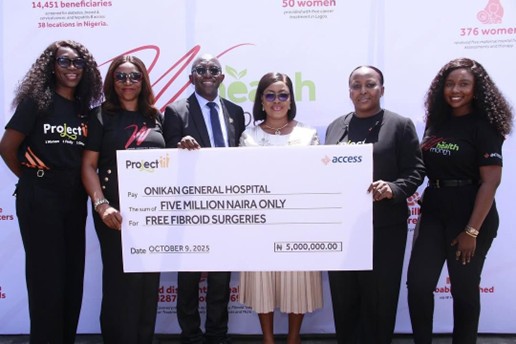
At the centre of this effort is the W Initiative, one of Africa’s most comprehensive women-focused banking programmes. Unlike conventional banking, it combines finance with mentorship, training, and community support, acknowledging that true empowerment requires more than access to capital. The initiative meets women wherever they are on their entrepreneurial journey, from start-ups to growing enterprises and corporate leadership.


The W Power Loan offers affordable credit with flexible terms, enabling women to invest in expansion, inventory, or technology. The W Academy provides leadership and business training on financial literacy, marketing, and regulatory compliance, while the W Community connects women to peers, mentors, and role models across industries.


Importantly, these offerings extend beyond urban centres. From microloans sustaining traders in rural markets to leadership programmes developing female executives in multinational firms, Access Bank’s approach is deliberately inclusive. By partnering NGOs, business associations, and government agencies, it reaches women in underserved communities, ensuring participation in Africa’s economic rise.


The results are evident. Thousands of women have accessed credit, training, and networks through the Bank’s initiatives, enabling them to launch and scale businesses, create jobs, and uplift their communities. The ripple effects are far-reaching: increased household income, improved family wellbeing, and greater economic resilience. Women who once faced daunting barriers now serve as role models and change-makers, inspiring others to follow their path.


Studies show that when women thrive, societies prosper. The World Bank and African Development Bank note that empowering women fuels GDP growth, improves health outcomes, and enhances social stability. By directly addressing structural gaps in access to finance and information, Access Bank helps to unlock this transformative potential.


Apart from supporting entrepreneurs, Access Bank promotes gender inclusion within its own organisation. Its leadership pipeline identifies and advances talented women, while mentorship and wellness programmes help female professionals thrive. The Bank also uses public platforms, from conferences to policy dialogues, to share success stories and advocate for gender diversity across sectors.


The EMEA Finance recognition thus goes beyond trophies and titles; it affirms that profitability and purpose can coexist. For Access Bank, supporting women’s advancement is smart economics. By embedding inclusion into its DNA, the Bank is shaping a financial ecosystem that views women as equal partners in progress.


Access Bank’s influence also extends into advocacy. Through forums, roundtables, and research collaborations, the Bank engages policymakers, civil society, and business leaders to identify and dismantle barriers facing women entrepreneurs. Its campaigns amplify women’s voices, spotlighting their achievements and driving conversations around inclusive growth.