CBN Advert
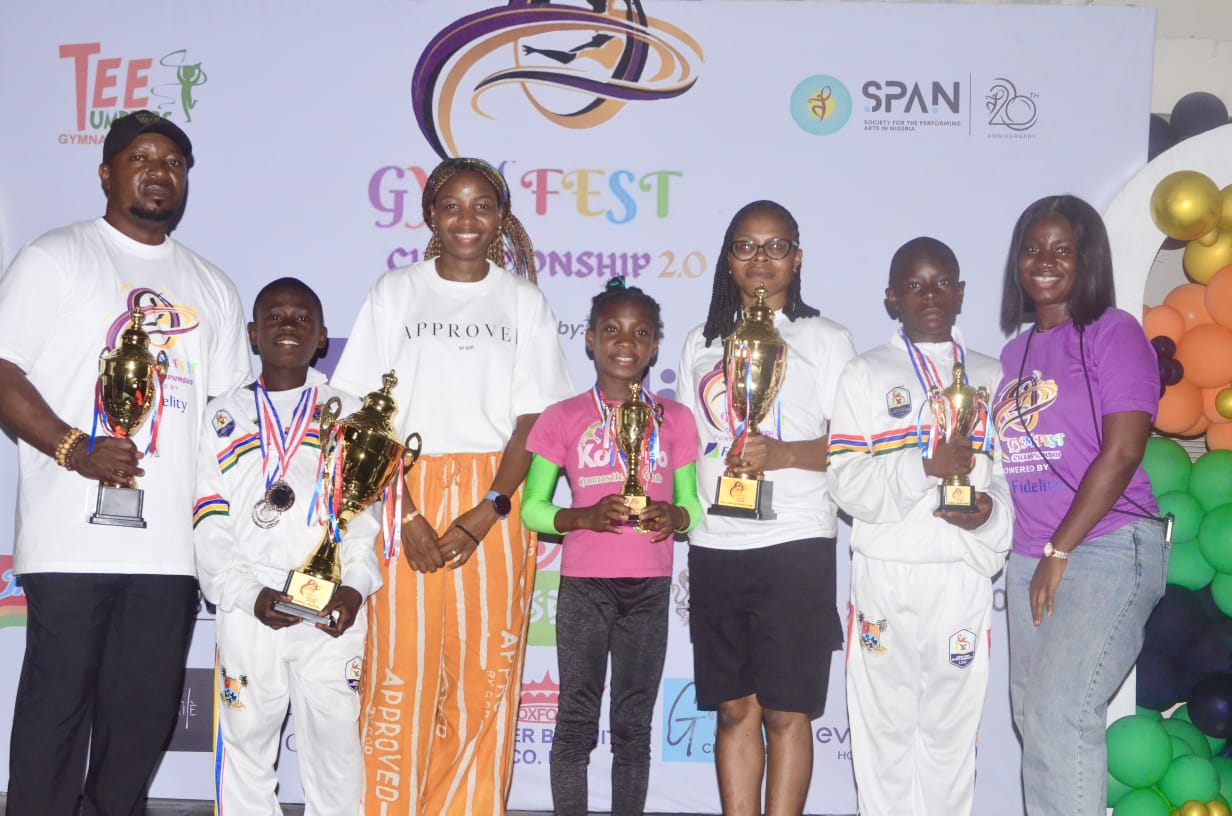
Fidelity Bank Boosts Gymnastics Development With Gymfest Championship 2.0 Sponsorship


Amaka Obiefuna

Leading financial institution, Fidelity Bank Plc, has reiterated its commitment to youth empowerment by serving as the headline sponsor of Gymfest Championship 2.0.


The competition, which held in Lagos over the weekend, drew remarkable participation from children aged 3 to 12years who competed across levels 1 through 7., Gymfest 2.0 brought together gymnasts, parents, clubs, schools, and sponsors, all united by a shared vision to nurture young gymnastic talent across the country.


Speaking at the event, Divisional Head, Brand and Communications, Fidelity Bank Plc, Dr Meksley Nwagboh, explained that the support for gymnastics is part of the bank’s broader vision to invest in platforms that empower young Nigerians to unlock their full potential and pursue greatness with intention.


“At Fidelity Bank, we believe sports are a powerful tool for transformation. They instill discipline, sharpen focus, and foster teamwork; qualities that shape character and build strong communities. These same values drive innovation, leadership, and national development.


“As headline sponsor of Gymfest, we are proud to support an initiative that promotes physical excellence, strengthens community bonds, and inspires national pride. Gymfest is more than a competition; it motivates children to set ambitious goals and pursue them with dedication and effort,” he said.


Also speaking at the event, Founder, Tee Tumblers Gymnastics Club and Co-founder, Gymfest Championship, Yoyin Akpose, outlined the long-term vision of the initiative as one that seeks to build a thriving community of children, parents, schools, clubs, and sponsors united by a shared passion for gymnastics.


Akpose stated that, “Our aim is to make gymnastics accessible to every child with a dream, creating fully equipped centers that provide training opportunities for all levels, from Surulere to Ikorodu, Ikeja, Apapa, and beyond.”


“GYMFEST is changing the narrative by offering a structured platform for talent development, international exposure, and professional training,” Akpose added.


One of the event’s highlights was the impressive performance of Oluwatoni Pitan, who emerged as the winner and overall best gymnast in the Level 2 Vault category.


Expressing her excitement, she said,“I feel very excited because I didn’t even expect this at all. This is my first Level 2 competition, and it took me three weeks of preparation. I encourage other female gymnasts to work hard and be consistent, you never know when your opportunity will come.”


Oluwatoni also expressed her gratitude to Fidelity Bank, the organisers, and her parents for the opportunity to showcase her talents and pursue her dreams as a young athlete.


Through strategic partnerships for initiatives like GYMFEST, Fidelity Bank continues to demonstrate its dedication to empowering the next generation, driving positive change, and fostering excellence through sports development in Nigeria.


Ranked among the best banks in Nigeria, Fidelity Bank Plc is a full-fledged Commercial Deposit Money Bank serving over 9.1 million customers through digital banking channels, its 255 business offices in Nigeria and United Kingdom subsidiary, FidBank UK Limited.


The Bank is a recipient of multiple local and international Awards, including the 2024 Excellence in Digital Transformation & MSME Banking Award by BusinessDay Banks and Financial Institutions (BAFI) Awards; the 2024 Most Innovative Mobile Banking Application award for its Fidelity Mobile App by Global Business Outlook, and the 2024 Most Innovative Investment Banking Service Provider award by Global Brands Magazine. Additionally, the Bank was recognized as the Best Bank for SMEs in Nigeria by the Euromoney Awards for Excellence and as the Export Financing Bank of the Year by the BusinessDay Banks and Financial Institutions (BAFI) Awards.

Umunwoke chịrịla Anambara enweghị ihe ha chịtara, hapụnụ ka nwaanyị gaa -Chioma Ifemeludike
By Chikaodi Chukwuleta
The African Action Congress (AAC) Candidate in the Anambra State’s 2025 Governorship Election, Chioma Ifemeludike has condemned the widespread vote-buying she alleged to have occurred during the November 8 election.
She described the practice as “criminal, utterly absurd, and downright nonsensical,” stating that it undermines democracy and promotes bad governance.
 Ifemeludike urged the Independent National Electoral Commission (INEC) and security agencies to take action against those involved, emphasising that vote-buying “criminalises both voters and politicians”.
Ifemeludike, who polled 292 votes, declared herself a “winner” based on “integrity,” rather than vote tally, saying, that “integrity stands firm and higher than political deception. I’m a winner!
She said the election  contradicted the principle  of the party, AAC,  and her personal value.
” The just concluded  November 8, 2025 Election saw the incumbent  governor, Prof.Charles Soludo win amid massive vote- buying,  a practice I find unacceptable. It is hypocritical of me to send congratulatory messages, when i witnessed the degradation of our democracy. My heart and conscience do not allow it,” she concluded.
She further said: “I am not interested  in any appointment that compromises my peace.What matters is the respect and dignity of our people. How can we speak of these values when elderly  men and women in our communities are treated like commodities?
“We should be championing social structures that uplift them, not criminalising their conscience with money.
Vote buying is a pollution of our democracy. Who invested that money? What’s their interest? Who will pay for this in the next 4- 8- 10 years? The people of Anambra? The children born and raised here? If we normalise vote buying today, we are inviting more choas.This isn’t about congratulations, but accountability; what transactions took place? Who benefits? I won’t compromise on this. I would rather walk alone than betray my principles,” she said.
Ifemeludike expressed disappointment over the election process, where she witnessed vote buying, adding that people were showing who they voted for, which hurts the dignity of the process, even as institutions like police and INEC are passing the buck.
” Police said monitoring vote buying  wasn’t their job, that it is INEC, while INEC said it was police job. Nobody is taking responsibility for stopping vote buying or addressing  the irregularities.”
She promised to do differently if given the opportunity, adding that she is ready for leadership and has plans but need people to recognise  who is genuinely for them.
“I am youthful, innovative  and energetic,” she said.
Access Bank Supporting Women Boosts Africa’s Growth Story

By Fidelia Okafor 

Across Africa, women are fast becoming the heartbeat of economic transformation. From bustling open-air markets to high-tech boardrooms, women-led enterprises are redefining what is possible for the continent’s future. Whether as market traders expanding their reach through digital platforms, tech founders scaling innovations across borders, or artisans turning local crafts into global brands, women’s contributions are now central to Africa’s economic resurgence.

Even as they break new ground, many still face formidable barriers. Access to finance, mentorship, business education, and supportive networks remains limited. Structural issues such as weak property rights, gender bias, and inadequate legal protections often hinder women from securing loans or expanding their businesses. Consequently, many women-owned ventures remain small, informal, and vulnerable to economic shocks.

Recognising both the promise and the obstacles, Access Bank has positioned itself at the forefront of empowering women across the continent. Recently named Africa’s Best Financier for Female Entrepreneurs by the EMEA Finance Awards, the Bank has earned global recognition for its commitment to inclusion, innovation, and sustainable impact.

At the centre of this effort is the W Initiative, one of Africa’s most comprehensive women-focused banking programmes. Unlike conventional banking, it combines finance with mentorship, training, and community support, acknowledging that true empowerment requires more than access to capital. The initiative meets women wherever they are on their entrepreneurial journey, from start-ups to growing enterprises and corporate leadership.

The W Power Loan offers affordable credit with flexible terms, enabling women to invest in expansion, inventory, or technology. The W Academy provides leadership and business training on financial literacy, marketing, and regulatory compliance, while the W Community connects women to peers, mentors, and role models across industries.

Importantly, these offerings extend beyond urban centres. From microloans sustaining traders in rural markets to leadership programmes developing female executives in multinational firms, Access Bank’s approach is deliberately inclusive. By partnering NGOs, business associations, and government agencies, it reaches women in underserved communities, ensuring participation in Africa’s economic rise.

The results are evident. Thousands of women have accessed credit, training, and networks through the Bank’s initiatives, enabling them to launch and scale businesses, create jobs, and uplift their communities. The ripple effects are far-reaching: increased household income, improved family wellbeing, and greater economic resilience. Women who once faced daunting barriers now serve as role models and change-makers, inspiring others to follow their path.

Studies show that when women thrive, societies prosper. The World Bank and African Development Bank note that empowering women fuels GDP growth, improves health outcomes, and enhances social stability. By directly addressing structural gaps in access to finance and information, Access Bank helps to unlock this transformative potential.

Apart from supporting entrepreneurs, Access Bank promotes gender inclusion within its own organisation. Its leadership pipeline identifies and advances talented women, while mentorship and wellness programmes help female professionals thrive. The Bank also uses public platforms, from conferences to policy dialogues, to share success stories and advocate for gender diversity across sectors.

The EMEA Finance recognition thus goes beyond trophies and titles; it affirms that profitability and purpose can coexist. For Access Bank, supporting women’s advancement is smart economics. By embedding inclusion into its DNA, the Bank is shaping a financial ecosystem that views women as equal partners in progress.

Access Bank’s influence also extends into advocacy. Through forums, roundtables, and research collaborations, the Bank engages policymakers, civil society, and business leaders to identify and dismantle barriers facing women entrepreneurs. Its campaigns amplify women’s voices, spotlighting their achievements and driving conversations around inclusive growth.

Is Nigeria Economically Broke? Challenges And Opportunities In Africa’s Largest Economy

BY BLAISE UDUNZE
Is Nigeria, Africa’s largest economy, economically broke? It is a question no patriotic citizen wants to confront, yet one that confronts every Nigerian daily at the fuel pump, the market stall, the school gate, the hospital reception, and increasingly, in the national accounts. The country’s fiscal reality is no longer a debate in economic circles alone; it is a lived experience for millions and a gathering storm for future generations.
To understand the gravity of the nation’s situation, one must look beyond political speeches and interrogate Nigeria’s borrowing patterns, revenue profile/debt numbers, public spending, and the economic behavior of both federal and state governments under President Bola Ahmed Tinubu’s. administration. What emerges is a troubling picture as taxation is squeezing small businesses, borrowing is mortgaging the nation’s tomorrow, and shockingly, the trillions shared among federal, state, and local governments every month translate into little visible development. Nigeria’s books show figures, but her streets show a different reality.
Since President Bola Ahmed Tinubu assumed office in June 2023, Nigeria’s public debt has spiraled from N33.3 trillion to N152.4 trillion by mid-2025 which represents a staggering 348.6 percent increase in just two years. Economies do not collapse overnight; they weaken gradually, sending warning signs that only become obvious in hindsight. Nigeria is flashing all the red signals today. Between July and October 2025 alone, the government secured over $24.79 billion, €4 billion, ¥15 billion, N757 billion, and another $500 million in sukuk bonds. These figures, in a functional economy, should translate into expanded electricity capacity, world-class healthcare systems, vibrant industries, better roads, thriving SMEs, and export-oriented value chains. Instead, much of Nigeria’s real sector remains stagnant as energy is unstable, industrial output is weak, and infrastructure remains largely stuck in the realm of political promises.
Borrowing, in itself, is not the crime. Nations borrow to grow. Borrowing becomes a problem when the funds are not directed toward productive, self-liquidating projects capable of paying back the debt through increased economic activity. Nigeria borrows aggressively but produces too little. The loans are not translating into productivity or growth, which is why the debt-servicing burden continues to rise. Today, more than 90 percent of government revenue is spent on servicing old debts. In some quarters, debt servicing now consumes 25 percent of Nigeria’s entire annual revenue. This means that governance has been reduced to fiscal survival, with vital sectors such as education, healthcare, and industrialization competing for the crumbs left after creditors take their share.
Professor Uche Uwaleke of Nasarawa State University captured it aptly: “Nigeria’s debt service ratio is inimical to economic development… The opportunity cost for the country is high.” The tragedy is clear as the country has substituted borrowing for revenue and debt servicing for development. At the 2025 IMF and World Bank Meetings, global leaders lamented Africa’s growing debt, which has now exceeded $1.3 trillion. Sub-Saharan African governments spent over $89 billion servicing debts in 2025 alone. Yet Nigeria’s case stands out because of its size, population, weak industrial base, and persistent revenue leakages. Nigeria continues to borrow through Eurobonds, multilateral loans, bilateral facilities, and sukuk instruments, even without a corresponding rise in productivity. This raises a painful but necessary question: if these loans are development financing, where is the development?
Recently, the House of Representatives approved President Tinubu’s request to borrow $2.35 billion to finance part of the 2025 budget deficit. This is not borrowing to invest, it is borrowing to plug holes, pay salaries, and service existing debts. This is fiscal survivalism, not economic transformation. Countries that borrow to build infrastructure grow out of debt. Countries that borrow to fund recurrent expenditure sink deeper into it. Nigeria is drifting toward the latter.
The African Democratic Congress (ADC) bluntly accused the president of being “addicted to debts,” noting that if all requested loans for 2025 are approved, Nigeria’s debt stock could reach N193 trillion. The Debt Management Office confirmed the possibility. In the ADC’s words: “You cannot claim your house is in order while taking new loans to stop the roof from collapsing.” The loan in question was the N1.15 trillion request by President Tinubu to fund the 2025 budget deficit, which the Senate and House of Representatives gave their approval during last Wednesday’s plenary.
Despite government assurances that inflation is easing by recording 18.02 percent headline inflation and 16.87 percent food inflation, Nigerians feel no relief. Prices remain high, purchasing power continues to collapse, and businesses are shutting down. There is no statistical comfort in an empty dinner plate.
While federal borrowing continues to dominate conversations, an equally critical yet often ignored dimension lies at the state level. Since the fuel subsidy removal in June 2023, state governments have become quiet but major beneficiaries of the enlarged FAAC allocations as a feeding bottle.
NEITI and OAGF/NBS records show that between June 2023 and June 2025, FAAC distributed N25.65 trillion yet few Nigerians can point to commensurate development in their states. Roads remain terrible. State industries are dead. Capital projects are abandoned. Health and education sectors are underfunded. Internally generated revenue remains weak.
Many states have weaponized FAAC allocations into a system of dependence. They line up monthly for their share but fail to harness the natural resources, agricultural potential, tourism corridors, or industrial hubs available within their territories.
Nigeria’s fiscal health is not a function of what federal government collects alone, it is a function of what the states produce. Development is a chain; a weak link breaks the entire system. Many states have become consumption centers instead of production hubs, contributing significantly to the national productivity crisis. Until FAAC allocations are tied to measurable development outcomes, Nigeria will continue to share poverty, not prosperity.
All these realities force Nigerians to ask again if Nigeria is economically broke?
A country is economically broke:
·       when it borrows to survive rather than to grow;
·       when it spends the bulk of its income servicing old debts;
·       when its states depend on allocations instead of productivity;
·       when taxation cripples rather than empowers businesses; and
·       when development is measured by political speeches, not real outcomes.
By these metrics, Nigeria is edging dangerously close to fiscal insolvency, living on borrowed money and borrowed time.
Yet despite this troubling landscape, Nigeria’s economic prospects are not irredeemable. The country possesses immense opportunities that, if harnessed, could transform its economic future to becoming one of the most vibrant in the world.
1.     Diversification: Agriculture, Technology, and Services –
Nigeria’s over-reliance on oil remains its most dangerous economic vulnerability. Oil accounts for more than 90 percent of export earnings and over half of government revenue. A single fluctuation in global oil prices can destabilize the entire economy. Diversification is not optional; it is a national emergency.
Agriculture, however, offers a powerful alternative. With vast arable land, abundant labor, and high domestic demand, agriculture can drive food security, export expansion, and industrial value chains.
Technology stands as another frontier of opportunity. Nigeria’s youthful population, fast-rising digital economy, and growing tech hubs offer pathways for innovation, employment, and global competitiveness.
The services sector which consists of telecommunications, finance, logistics, entertainment, and tourism also holds massive potential to absorb millions of jobs and stimulate economic growth and reduce reliance on oil revenue.
2.     Job Creation and Youth Productivity:
Nigeria’s unemployment and underemployment rates remain dangerously high, particularly among young people. A productive youth population is an economic asset; an idle youth population is a socio-economic risk. Entrepreneurship support, industrial hubs, vocational training, and SME financing can unlock millions of new jobs.
3.     Infrastructure Development:
However, none of these sectors can thrive without addressing Nigeria’s infrastructural deficit. Poor power supply, crumbling roads, inefficient transport systems, and inconsistent regulatory policies continue to choke businesses. Infrastructure is the backbone of any modern economy; without it, productivity remains low regardless of potential.
4.     Governance, Transparency, and Anti-Corruption:
Governance and transparency play an equally critical role. Nigeria cannot build a productive economy on the foundation of corruption, mismanagement, and opaque financial practices. Strengthening institutions, enforcing accountability, digitizing public services, and ensuring full transparency in FAAC disbursements, budget execution, and loan utilization are essential steps toward restoring public trust and investor confidence. Transparency must become the norm not the exception.
The path to a resilient Nigerian economy requires a national reset in fiscal discipline. The following steps are critical:
–       Borrowing must be tied strictly to revenue-generating, self-liquidating projects.
–       Recurrent expenditure borrowing must stop.
–       Debt ceilings should be legally enforced.
–       States must be compelled to boost local productivity and mobilize internal revenue.
–       FAAC allocations should be linked to measurable development benchmarks.
–       Public finance transparency must be non-negotiable
–       Economic diversification must be pursued with urgency, not rhetoric.
Currently, Nigeria stands at an intercession. One path leads to deeper debt, economic stagnation, and a future where the next generation inherits nothing but liabilities. The other path leads to reform, productivity, innovation, and the emergence of a strong, resilient economy capable of withstanding global uncertainties.
So, is Nigeria economically broke? The uncomfortable truth is that Nigeria is not yet bankrupt but it is dangerously close. A nation cannot continue borrowing to survive, consuming more than it produces, or neglecting the engines of real growth. The time for action is now. Nigeria’s challenges are vast, but so are her opportunities. With discipline, transparency, and visionary leadership, Africa’s largest economy can still reclaim its promise and chart a sustainable path toward shared prosperity.
Blaise, a journalist and PR professional writes from Lagos, can be reached via: blaise.udunze@gmail.com
SNEPCo MD Ronald Adams Inducted Fellow Of Nigerian Society Of Chemical Engineers

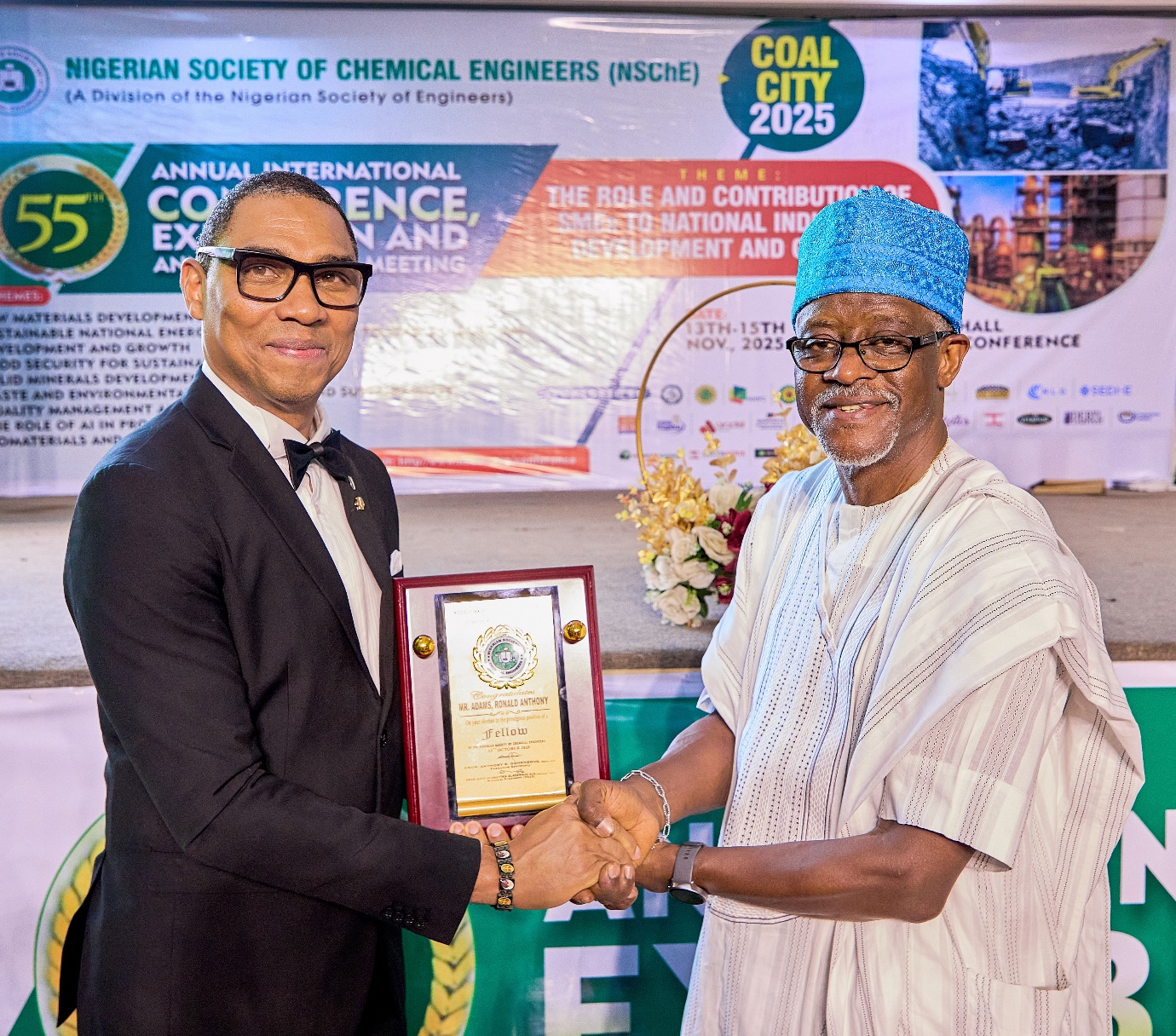
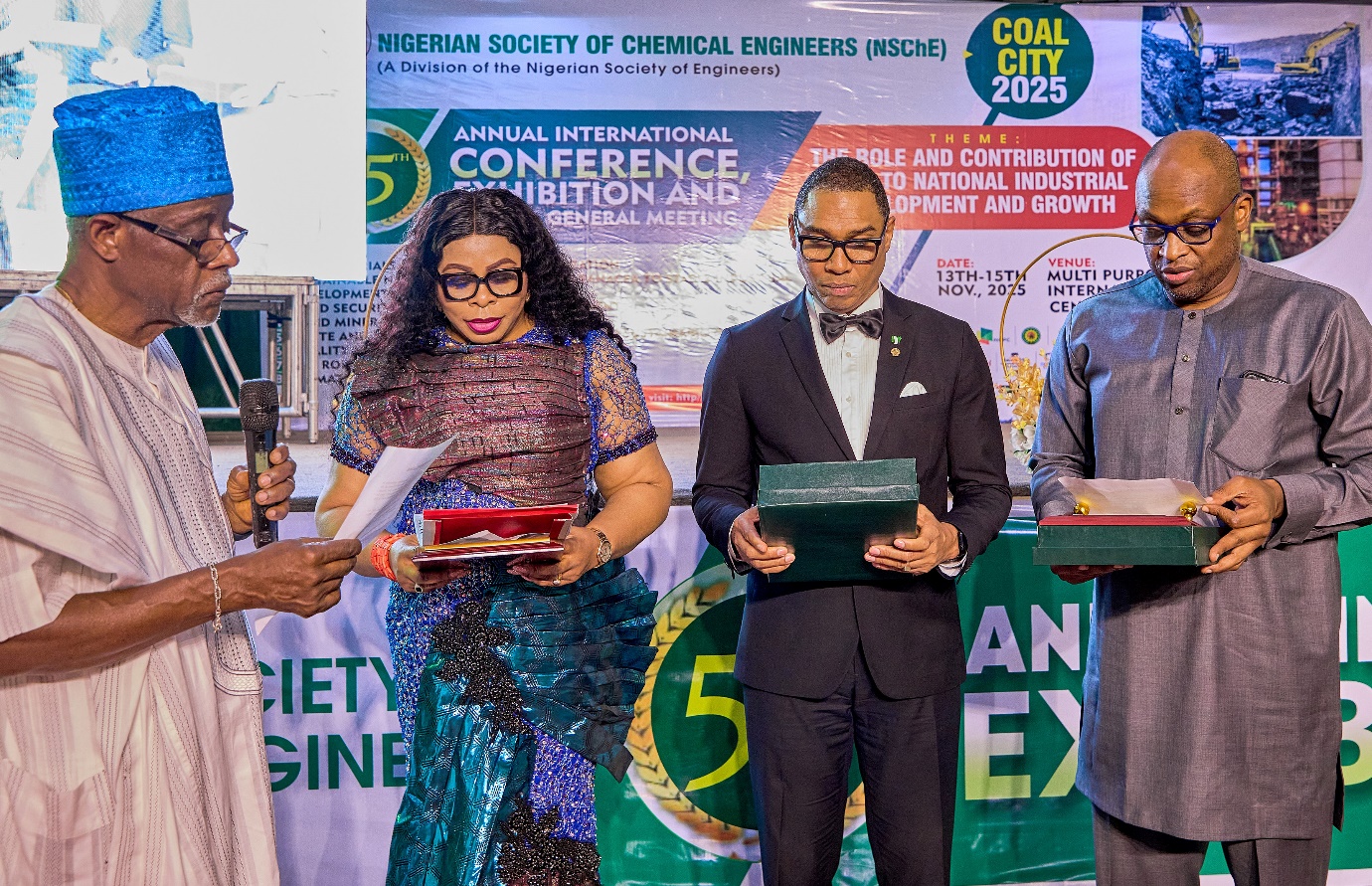
L-R: Managing Director, Shell Nigeria Exploration and Production Company Limited (SNEPCo), Ronald Adams while receiving his Followship award from the National President, Nigerian Society of Chemical Engineers, Bayo Olarewaju-Alo at the 55th Annual Conference and Annual General Meeting (AGM) of the Nigerian Society of Chemical Engineers (NSChE) in Enugu State.
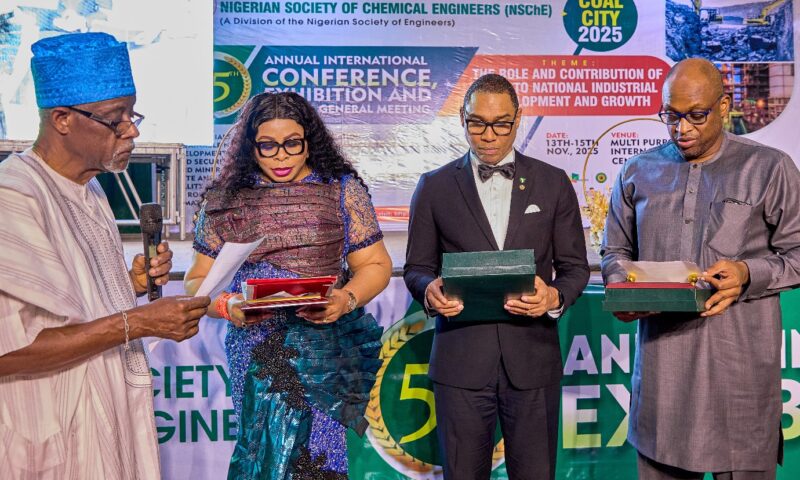
The National President, Nigerian Society of Chemical Engineers, Bayo Olarewaju-Alo while inducting the SNEPCo MD, Ronald Adams and other inductees at the 55th Annual Conference and Annual general meeting of the Nigerian Society of Chemical Engineers (NSChE) in Enugu State.


The Nigerian Society of Chemical Engineers (NSChE) at the weekend inducted the Managing Director of Shell Nigeria Exploration and Production Company Limited (SNEPCo), Ronald Adams and 19 others as Fellows for outstanding contributions to the profession.


They were accorded the highest honour of the Society at its 55th conference and annual general meeting held on Saturday November 15th in Enugu. NSChE National President, Bayo Olarewaju-Alo, advised them to continue “to inspire younger engineers, shape industrial polices and drive sustainable growth through innovation and ethical practice.”


Responding on behalf of the inductees, Ron expressed gratitude for the honour and pledged that they would justify the confidence reposed in them. He said: “Chemical Engineers are needed today more than ever before. As society evolves at a rapid pace, we need these professionals to make sense of it all and prepare us for challenges in the energysector and beyond.”


He added: “SNEPCo shares the vision of the Nigerian Society of Chemical Engineers and supports members in the company through trainings and the wider body in the pursuit of its mission. The partnership will continue.”


A few months ago, the Petroleum Technology Association of Nigeria (PETAN) presented an Award of Excellence to Ron, for his visionary leadership in deep-water production.


Ron has a bachelor’s degree in chemical engineering from the University of the West Indies and an international MBA, with specialization in Strategic Planning from Herriot-Watt University, Edinburgh. He has held several leadership roles in his native Trinidad and Tobago, and made history on August 1, 2021, when he became the Chief Executive Officer of Atlantic LNG of Trinidad and Tobago, the first local to hold the position in its 25 years of operation.


In October last year, he arrived in Nigeria to open another historic chapter, becoming the first non-Nigerian to serve as Managing Director of SNEPCo; the company that had itself made history earlier on February 14, 2023, when Bonga, Nigeria’s first deep-water field, produced its one billionth barrel of oil.


Ronald is repositioning SNEPCo for an even brighter future as it implements the $5-billion Bonga North project.

FNBC Calls For Deeper Bilateral Collaboration To Drive Sustainable Growth

Amaka Obiefuna


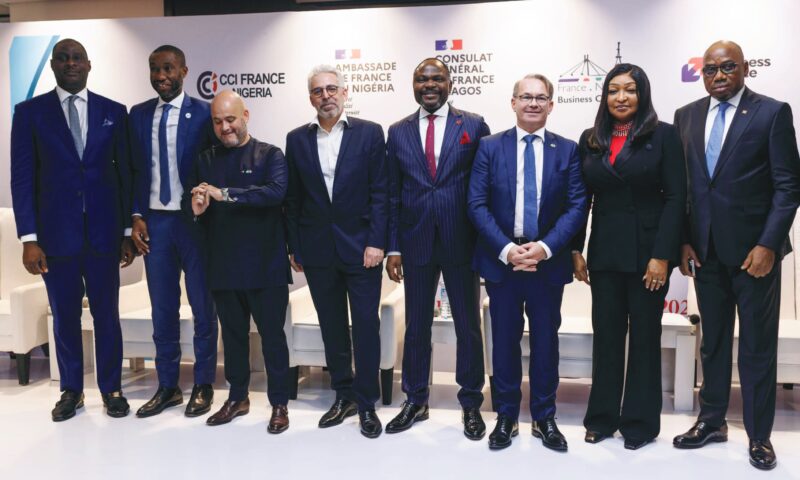
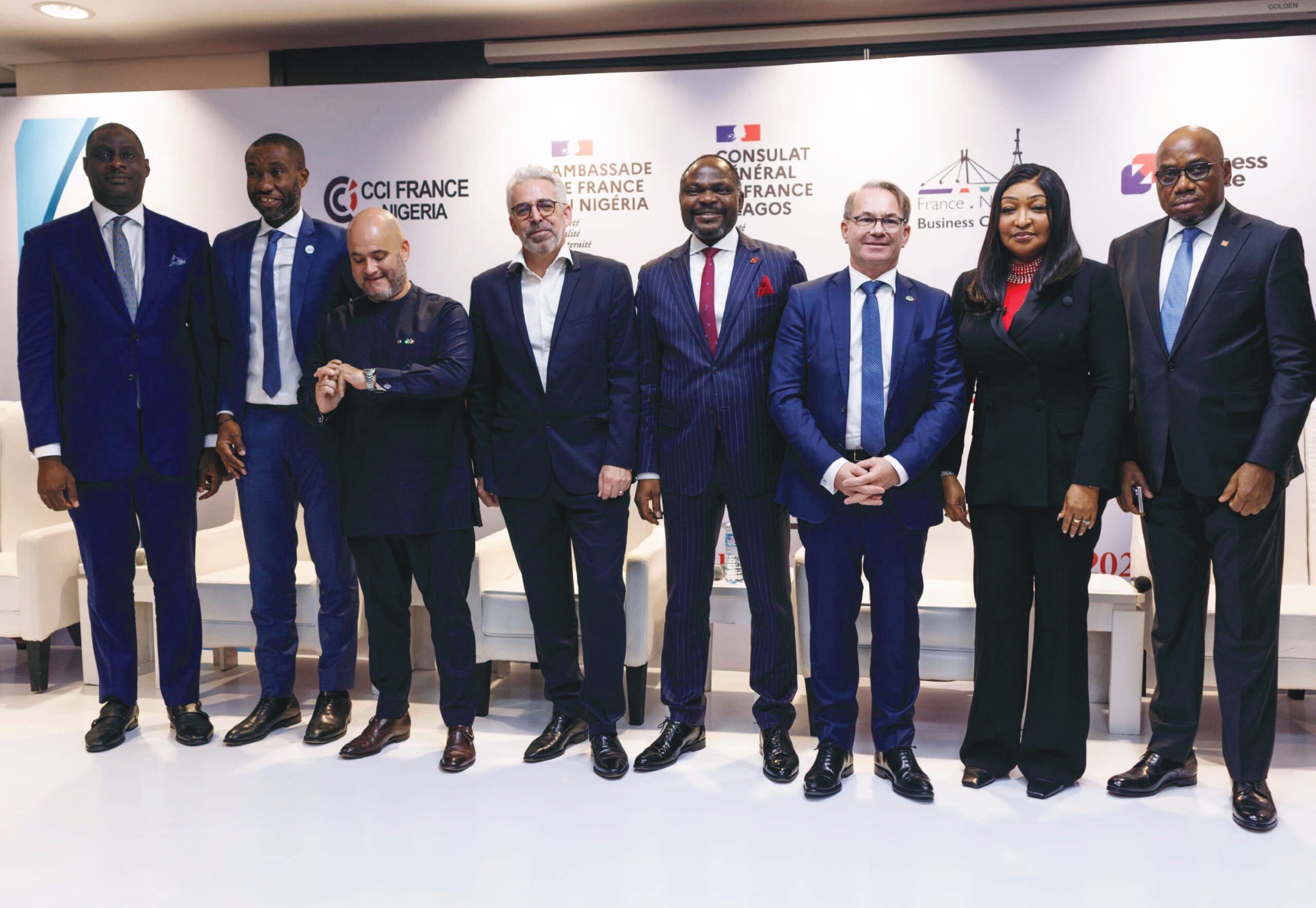
The French Week Economic Summit 2025, which held recently convened senior government officials, business leaders, diplomats, and industry stakeholders with a unified call for stronger bilateral cooperation to advance sustainable economic growth across both nations.


Delivering the welcome remarks, Aigboje Aig-Imoukhuede, President, France–Nigeria Business Council (FNBC) and Chairman, Access Holdings Plc, stressed the importance of reinforcing commercial ties between France and Nigeria through practical partnerships, strategic investment, and private-sector leadership.


The Summit, now in its third consecutive year at Access Towers, head office of Access Bank, was convened under the theme: “France–Nigeria Commercial Relations: Leveraging Partnership for Growth.”


Represented by Innocent Ike, Group Chief Executive Officer, Access Holdings, Aig-Imoukhuede, noted that the Summit reflected the progress envisioned when President Emmanuel Macron inaugurated the France–Nigeria Business Council in 2019 to foster practical, private-sector–led cooperation. According to him, the FNBC has since evolved into a key platform for deepening partnerships across energy, infrastructure, finance, and culture, driven by shared values of innovation, sustainability, and inclusion.


Aig-Imoukhuede highlighted major ongoing bilateral projects, including the AGORA Project, a joint France–Africa initiative aimed at reimagining urban sustainability through green mobility, environmentally conscious infrastructure, and digital ecosystem integration.


He also presented updates on the Omi Eko Initiative, a collaboration between the Lagos State Government, French technical partners, and Nigerian private-sector institutions designed to restore and sustainably manage the Lagos Lagoon. The initiative is projected to cut carbon emissions by 31,000 tons of CO₂ annually, mobilise over €60 million (₦100 billion) in green-infrastructure investments, and create more than 2,000 jobs across recycling, renewable energy, and sustainable tourism. He noted that Omi Eko illustrates how environmental restoration can serve as a catalyst for broad-based economic opportunity.


In her remarks, the Lagos State Commissioner for Commerce, Cooperatives, Trade, and Investment, Folashade Ambrose-Medebem, announced a major development for the state’s economic landscape: he emergence of the Lagos International Financial Centre (LIFC). Designed to attract global financial institutions, drive foreign investment, and promote financial innovation, the Commissioner described the LIFC as a transformative platform.
“It will serve as a strong platform for global investors, innovators, and businesses to converge,” Ambrose-Medebem said. “Watch this space: by the time you return next year, I hope to share more about its formal launch and milestones achieved.”


She explained that the Summit provides a robust avenue for high-level dialogue, reinforcing the commitment of both nations to fostering cross-investment, creating bankable projects, and driving shared, sustainable growth. This commitment is reflected in recent initiatives such as the Omi Eko Project, a €410 million Lagos State effort to modernise the city’s water transportation system through a network of safe, environmentally friendly, and efficient electric ferries.


Aig-Imoukhuede also underscored the potential of the creative sector as a strategic growth industry for France and Nigeria. He referenced ongoing cultural collaborations, including Creation Africa and the Tate Modern “Nigeria Modernism” Exhibition, that continue to elevate Nigerian creativity on the global stage. He urged investors and financial institutions to view the creative economy as both a viable export industry and a key driver of national identity and influence.


Addressing global climate transitions, Aig-Imoukhuede emphasised the need for expanded collaboration in renewable energy. He noted that France’s leadership in green technology, paired with Nigeria’s abundant natural resources, positions both nations for impactful joint investments in solar, hydro, wind, and cleaner gas solutions.
He encouraged Summit participants to move beyond dialogue and deliver measurable milestones and sustainable outcomes that benefit both countries.


Aig-Imoukhuede reaffirmed the commitment of the FNBC, the Franco–Nigerian Chamber of Commerce and Industry, and Access Holdings Plc to fostering deeper commercial ties and long-term economic cooperation between France and Nigeria. He expressed confidence that the Summit would catalyse stronger partnerships, increased investments, and shared prosperity.

Vybing, Connected And Happy Customers — Echoes Of FirstBank’s DecemberIssaVybe

By Bolaji Israel
American branding consultant and CEO of Brandstream, Scott Bedbury, said, “In today’s experience-driven marketplace, the brands that endure are those that move beyond products and services to connect with the passions, lifestyles, and emotions of their customers.
The most successful businesses don’t just serve — they engage, delight, and become part of life’s memorable moments”.
FirstBank is playing deeply into that truth.
Having long established itself as a symbol of resilience, trust, heritage, excellence, and innovation in banking, the 131-year-old institution is taking customer connection to a new dimension — transforming from a financial service provider into a joy-giver that understands culture, family, and celebration.
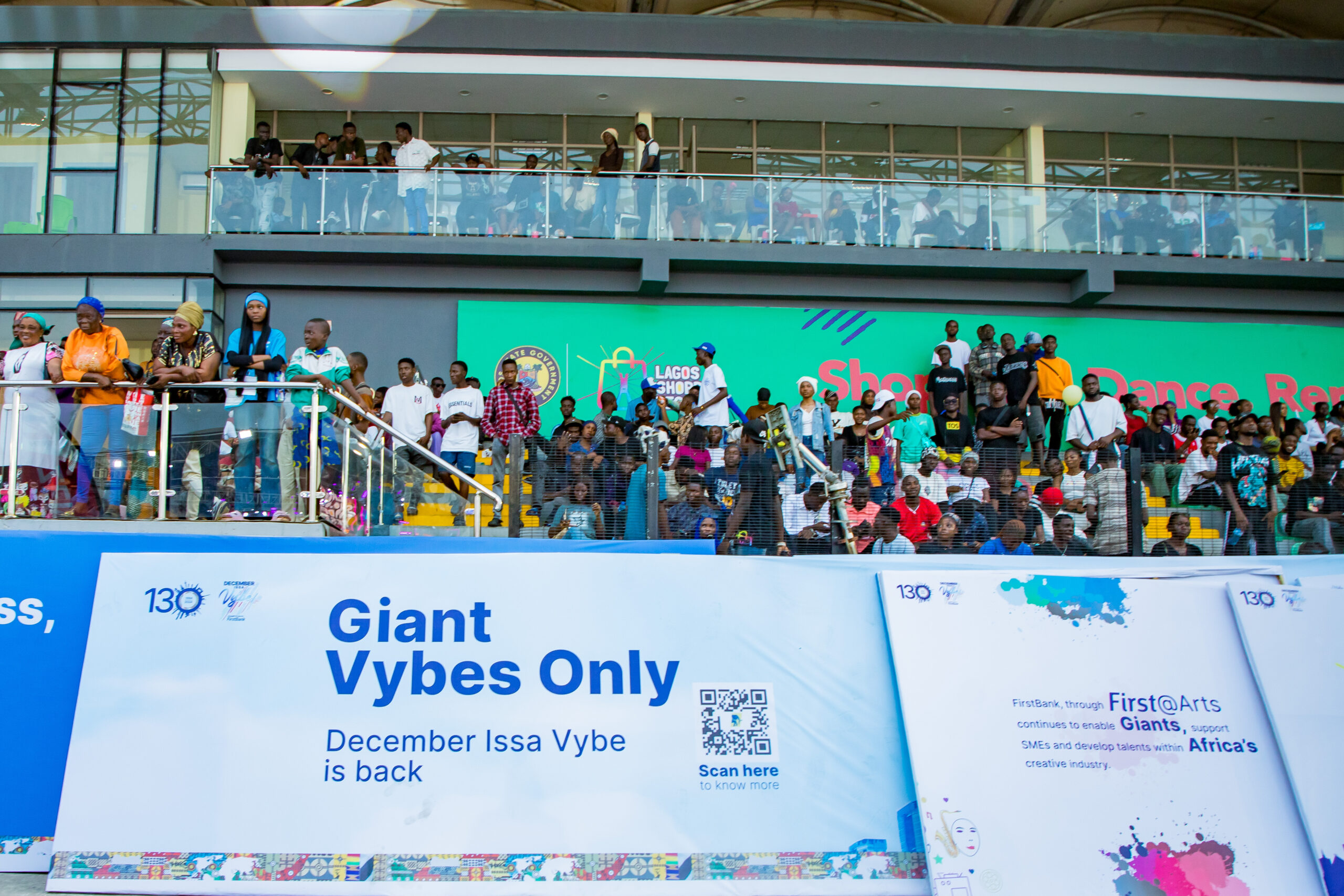
Every year, FirstBank keeps customers satisfied with seamless banking experiences, then raises the rhythm by the ember months, turning up the festive energy through its DecemberIssaVybe campaign — a season-long fusion of entertainment, rewards, and shared happiness.
From premium access to top-tier concerts and musicals, to theatre nights, comedy shows, and fashion showcases, DecemberIssaVybe keeps customers vibing, grooving, and smiling — proving that for the premier West African bank and a leading financial inclusion service provider, engagement is not a slogan, it’s a lifestyle.
For FirstBank, entertainment has become more than an add-on — it’s an extension of customer experience. Through DecemberIssaVybe, the bank transforms the festive season into a celebration of music, art, theatre, and culture, where customers enjoy premium access to some of the most sought-after shows, concerts, and plays in Nigeria.
The initiative connects the brand with the rhythm of its people — the laughter of families at stage plays, the energy of fans at mega concerts, and the joy of togetherness that defines the December spirit.
By curating these experiences, FirstBank positions itself not just as a bank that understands finance, but as one that understands feeling — a brand that celebrates the Nigerian way of life.
The campaign has featured exclusive access to headline shows, theatre performances, comedy nights, and lifestyle events that highlight the nation’s vibrant creative scene.
 Customers not only enjoy the fun; they experience a sense of belonging and appreciation that strengthens their emotional connection with the brand.
DecemberIssaVybe also reflects FirstBank’s growing influence in supporting Nigeria’s creative and entertainment industries — vital sectors that provide jobs, nurture culture, and export the Nigerian story to the world.
 By sponsoring and amplifying these platforms, the bank fuels a chain of value that extends from the stage to the streets, from creators to consumers.
It’s more than seasonal celebration; it’s strategic cultural investment.
Beyond the lights and music, there’s a deeper rhythm to what DecemberIssaVybe represents — connection, loyalty, and legacy.
 It mirrors FirstBank’s understanding that banking today isn’t only about transactions; it’s about touchpoints that make life richer. It’s about being present where the customer laughs, loves, and lives.
 By blending entertainment with appreciation, the bank turns every December into a statement of gratitude — rewarding loyalty, strengthening relationships, and reminding customers that they are at the heart of everything.
As one of the nation’s most enduring institutions, FirstBank continues to evolve with the times while holding firm to its promise of putting customers first. And through DecemberIssaVybe, it gives that promise a new sound — a festive melody of joy, togetherness, and cultural celebration.
 Because for FirstBank, happiness isn’t just seasonal. It’s part of the brand’s legacy — a rhythm that plays all year long and peaks beautifully every December.
Rewarding Customers Through Entertainment
For FirstBank, DecemberIssaVybe is a deliberate strategy to deepen emotional connections with its customers. Olayinka Ijabiyi, Acting Group Head, Marketing and Corporate Communications, explained that banking today is not only about financial transactions; it’s about creating moments that matter — moments where families, friends, and communities come together to celebrate life and culture; through this initiative, FirstBank is able to reward customers in ways that resonate with them personally — from live concerts and theatre to comedy and lifestyle events.
He noted that the bank’s goal remains to ensure that every Nigerian feels connected, valued, and appreciated – the bank sees the joy, excitement, and energy that DecemberIssaVybe brings, and it’s incredible to witness customers sharing those experiences with friends and family.
Through these initiatives, FirstBank delivers on its promise of rewarding loyalty while keeping customers entertained and engaged. The campaign brings premium access to highly sought-after concerts, plays, musicals, comedy festivals, and fashion showcases, giving customers front-row experiences with Nigeria’s most beloved performers and platforms.
Whether it’s a VIP ticket to a Burna Boy or Wizkid concert, a night at Kakadu the Musical, or an exclusive fashion showcase, customers enjoy experiences that are memorable and rare — moments that connect the bank to life’s joyful milestones.
Premium Access, Exclusive Experiences
A core feature of DecemberIssaVybe is the premium access it affords customers. Social media and brand platforms regularly highlight the exclusive tickets, backstage passes, and VIP privileges distributed as part of the campaign.
From sold-out concerts and comedy shows to family theatre nights, the initiative ensures that customers feel celebrated in style.
Ijabiyi explained further that FirstBank takes pride in offering experiences that customers would be thrilled to have access to. “DecemberIssaVybe is about bringing people closer to the cultural heartbeat of Nigeria — live music, theatre, comedy, fashion, and lifestyle events — while connecting them directly with the FirstBank brand. It’s our way of making loyalty tangible, memorable, and joyous.”
By combining banking excellence with cultural engagement, FirstBank ensures that its customers don’t just transact; they experience life’s excitement with the bank as a partner in celebration.
Voices of Excited Customers
The annual campaign have generated widespread enthusiasm among customers and social media followers.
Excited feedback from Toyin Ojo on facebook illustrates the impact of DecemberIssaVybe: “FirstBank made my December unforgettable! I got VIP access to see my favourite artist live — I still can’t believe it!”
Segun Ibiyemi, another customer shared on X: “I’ve never felt so connected to a brand. DecemberIssaVybe isn’t just about the show; it’s about the memories we made as a family.”
And yet another enthused: “It’s amazing how FirstBank takes banking beyond numbers. They gave me and my friends experiences we’ll remember forever.
That’s loyalty rewarded!”
From families laughing together at theatre nights to friends grooving at sold-out concerts, the campaign creates moments that customers cherish and share. The excitement online — from Instagram stories to X (formerly Twitter) posts — amplifies the sense of community and joy that the initiative fosters.
Cultural Impact and Connection
Beyond entertaining, FirstBank’s DecemberIssaVybe has a broader cultural impact. By sponsoring concerts, theatre, comedy, and lifestyle events, the bank fuels the creative economy while providing Nigerians with experiences that connect them to their heritage, friends, and family.
The success of DecemberIssaVybe is measured not only in ticket distributions or sold-out events, but in the smiles, the laughter, and the sense of belonging it creates. FirstBank is not just facilitating transactions but memories. It is giving customers joy, access, and connection in ways that touch their hearts and enrich their experiences during the yuletide season.
By combining entertainment, premium access, and thoughtful engagement, the campaign strengthens FirstBank’s bond with customers and positions the bank as more than a financial institution — it becomes a lifestyle brand that touches lives and creates lasting joy.
A Legacy of Joy and Connection
Through DecemberIssaVybe, FirstBank has turned a seasonal initiative into a cultural phenomenon, blending entertainment, lifestyle, and premium experiences to keep customers rewarded, happy, and connected.
In doing so, the bank has shown that loyalty goes beyond accounts and cards — it is about shared memories, emotional connection, and being part of life’s most joyful moments.
For FirstBank, the message is clear: banking is more than numbers; it’s about being part of the moments that make life vibrant. And every December, through DecemberIssaVybe, the bank hits the high notes — keeping customers vibing, grooving, rewarded and deeply connected to the rhythm of joy.

Leadway Assurance As First Female Board Chairperson

By Amaka Obiefuna

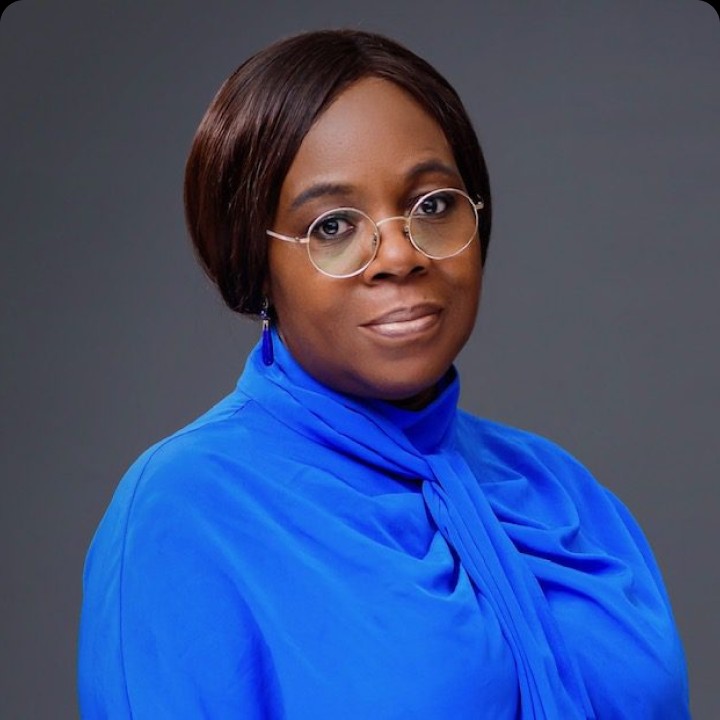
Leadway Assurance, Nigeria’s leading insurance company, has announced the appointment of Mrs. Adebisi Lamikanra as the new Chairperson of the Board, following the tenure expiration and formal retirement of General (Rtd) Martin Luther Agwai, CFR, who has admirably served as Board Chairman since November 2016.

A Chartered Accountant and Fellow of the Institute of Chartered Accountants of Nigeria (ICAN), Mrs. Lamikanra brings nearly four decades of exceptional leadership and advisory experience to the role. She was a Partner at Andersen Nigeria and made history as the first female Partner at KPMG Nigeria, where she retired as Head of Advisory Services and Lead for the African Region Advisory Practice.

Her career has been defined by strategic consultancy to leading local and multinational organisations across sectors. A proud alumna of the University of Lagos and the Lagos Business School, she has also honed her leadership skills through advanced executive programs at Harvard Business School, INSEAD University, and the Kellogg School of Management.

Mrs. Lamikanra currently serves on the boards of Standard Chartered Bank Nigeria, Evercare Hospital Lekki, and Nestle Nigeria, where her governance acumen and cross-sector insights continue to shape corporate excellence.

Speaking on the appointment, the outgoing Chairman, General (Rtd) Martin Luther Agwai, CFR, expressed his confidence in Mrs. Lamikanra’s leadership, stating, “It has been a profound honour to serve Leadway Assurance, a company that continues to define trust and innovation in Nigeria’s financial services sector. As I pass the baton, I take pride in the enduring culture of excellence we have built together. Mrs. Lamikanra’s appointment represents a seamless continuation of this legacy; her integrity, professionalism, and wealth of experience will ensure that Leadway continues to grow stronger and advance firmly into its next chapter of success.”

Under General Agwai’s stewardship, Leadway Assurance achieved significant milestones, including restructuring into a holding company, expanding across West Africa, and solidifying its position as one of the West Africa’s most trusted financial services institutions. His tenure will be remembered for stability, innovation, and a commitment to governance excellence. His exit, after his successful tenure, reinforces Leadway’s penchant for uploading good governance principles.

Speaking on her appointment as the first female Board Chairperson of the Company, Mrs. Adebisi Lamikanra expressed gratitude and optimism about the company’s future. “I am deeply honoured to assume this responsibility at such a pivotal moment in Leadway Assurance’s journey. The organization’s legacy of trust and innovation, built over five decades, continues to inspire confidence in Nigeria’s financial ecosystem”, she said.

She expressed gratitude to her predecessor, Gen (Rtd.) Martin Luther Agwai, recognizing his outstanding leadership and mentorship skills in steering the affairs of the Board during his tenure as the Board Chairperson.

She further called on the Board, management, and all stakeholders to collaborate and work together in strengthening the Leadway legacy, driving sustainable growth, advancing digital transformation while reinforcing Leadway’s role as a catalyst for financial inclusion and economic development.

Mrs. Lamikanra’s appointment signals a continuation of this legacy, blending experience, foresight, and the dynamism required to navigate Nigeria’s evolving financial landscape. Her leadership is expected to strengthen further the organisation’s culture of excellence, innovation, and sustainable growth.

About Leadway Assurance
Leadway Assurance is one of Nigeria’s leading insurance companies, providing a wide range of financial protection services including life, general business, and agricultural insurance. With over 50 years of experience, Leadway is dedicated to delivering innovative solutions and superior service to its customers.

About Mrs. Adebisi Lamikanra
Adebisi Lamikanra is a Chartered Accountant and Fellow of the Institute of Chartered Accountants of Nigeria (ICAN). She was a Partner in Andersen Nigeria and the first female Partner at KPMG. She retired as Head, Advisory Services KPMG Nigeria and Lead, KPMG African Region Advisory Practice having worked with leading local, international and multi-national organizations. She currently sits on the board of a couple of companies.

Breathe Clean Air Campaign :  IHS Nigeria , FCT-HSES Begin Distribution Of Smart Cooking Gas

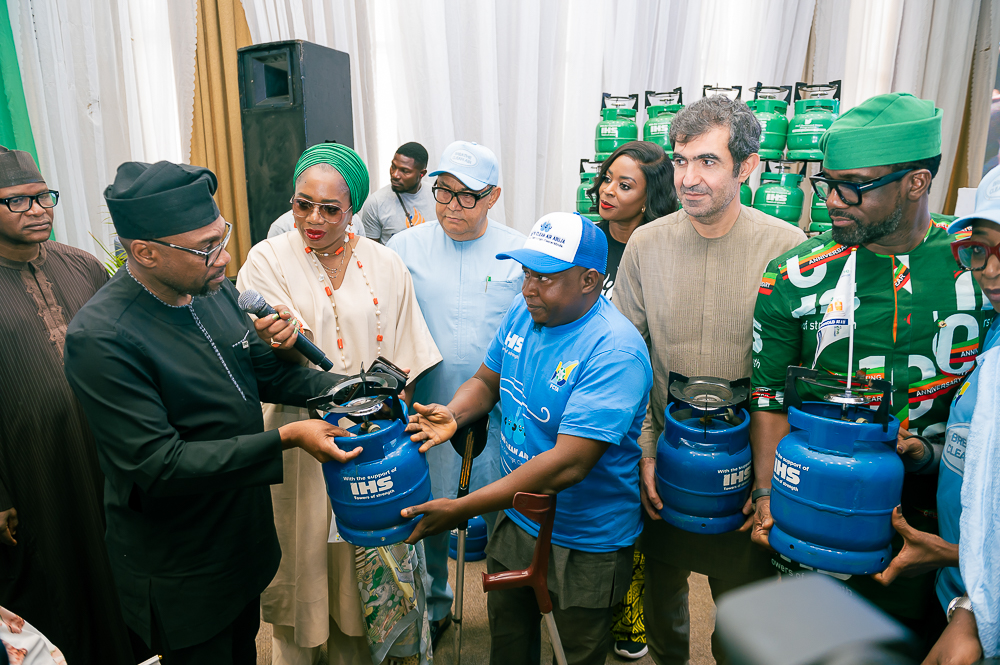
L-R: Senior Vice President and Chief Corporate Services Officer, IHS Nigeria Limited, Dapo Otunla, presenting a cooking cylinder to one of the project beneficiaries; Mandate Secretary, FCT Health Services and Environment Secretariat (HSES), Dr. Adedolapo Fasawe, Chairman, House Adhoc Committee on FCT Health, Hon. Dr. Emil Inyang; Chief Executive Officer, Smart Energies, Dr. Yinka Opeke; Chief Executive Officer, IHS Nigeria, Mohammed Darwish; and Group Chief Human Resource Officer, IHS Towers, Ayotade Oyinlola, during the launch of the Breathe Clean Air Abuja campaign, a collaboration between IHS Nigeria and FCT- HSES aimed at promoting clean energy, environmental sustainability, and improved public health, held at the Bola Ahmed Tinubu International Conference Centre, Abuja, on Saturday, November 15, 2025.

By Winifred Bosa

 IHS Nigeria, the largest communications infrastructure company in Nigeria and part of the IHS Holding Limited (NYSE: IHS) (“IHS Towers”) group, , and the Health Services and Environment Secretariat (HSES) of the Federal Capital Territory (FCT), Abuja, have commenced the distribution of smart cooking gasses to underserved households in the FCT under the  Breathe Clean Air Abuja Campaign.
 This initiative aimed at promoting clean household energy and increasing public awareness on the health impacts of air pollution in the FCT was recently launched at the Kashim Shettima Hall, Bola Ahmed Tinubu International Conference Centre, following an earlier MOU signing between both organisations in September and underscores IHS Nigeria’s continued commitment to promoting sustainable energy adoption and strengthening environmental health standards across Nigeria.
This initiative aligns with IHS Nigeria’s broader sustainability agenda especially the ‘our people and community’ and ‘environment and climate change’ pillars, particularly its focus on adopting cleaner energy across its operations and improving environmental health outcomes in host communities.
IHS Towers, the Holding company has set a target to reduce the company’s kilowatt-hour emissions intensity by approximately 50% by 2030.
In his remarks, the Chief Executive Officer of IHS Nigeria, Mohamad Darwish, spoke about the everyday realities of smoke exposure and the importance of transitioning to healthier cooking options.
“When you think about how much smoke our mothers and sisters inhale while cooking every day, you immediately understand why this project matters. If we can help thousands of families breathe cleaner air, we should all be proud to be part of it,” he said.
Darwish noted that discussions with the Mandate Secretary of the FCT-HSES made it clear that the initiative is designed to grow beyond this first rollout, with future phases expected to attract government funding as well as private-sector support.
In her keynote address, the Mandate Secretary of FCT-HSES, Dr. Adedolapo Fasawe, highlighted the growing impact of both indoor and outdoor air pollution on the health outcome of households, particularly women and children.
 She cautioned that prolonged exposure to smoke from firewood and charcoal continues to contribute to respiratory illnesses including lung cancer and other health conditions.
Dr. Fasawe described the programme as the start of a multi-phase effort to promote cleaner energy alternatives across the FCT.
 She also unveiled the Sustainability Champions Initiative, a youth-focused platform that will drive advocacy and environmental education in schools and communities.
Representing the legislature, Hon. Dr. Emil Inyang, Chairman of the House Adhoc Committee on FCT Health, commended IHS Nigeria for its commitment to the initiative and pledged to support the inclusion of the programme in the 2026 FCT budget.
He later led the symbolic presentation of gas cylinders to selected beneficiaries.
The Permanent Secretary, FCT-HSES, Dr. Babagana Adams, also delivered a goodwill message, acknowledging IHS Nigeria’s support and reaffirming the Secretariat’s commitment to improving public health outcomes across the FCT.
A key highlight of the event was the announcement by IHS Nigeria of a six-month LPG refill support for all beneficiaries of the gas cylinders distributed at the launch.
The ceremony concluded with a demonstration of the clean-cooking equipment, and distribution to beneficiaries including some members of the disabled community.
Airtel Nigeria Launches Smartphone Financing For New Devices

By Winifred Bosa
Airtel Nigeria launches a new Smartphone Financing Programme to aggressively bridge the digital divide.
The innovation provides existing Airtel customers with a flexible and convenient payment plan to own 4G smartphones and drive wider digital inclusion.
Through this innovation, Airtel will finance new smartphones via its exclusive retail network, helping customers currently using 2G and 3G devices upgrade seamlessly to 4G connectivity.
The programme will kick off with the Itel A50 smartphone, a reliable, high-performing device designed to deliver a superior mobile experience for customers across Nigeria.
Speaking on the launch, Dinesh Balsingh, Chief Executive Officer of Airtel Nigeria, said the initiative reflects Airtel’s deep commitment to empowering Nigerians with all they need to thrive in a connected world.
He said, “Connectivity is opportunity, and smartphones are the key that unlocks it.
Through the Airtel Smartphone Financing Programme, we are enabling more Nigerians to access 4G technologies, experience the full benefits of digital inclusion without financial strain, and transform the way they learn, work, and live.
This initiative goes beyond providing devices; it is about empowerment, progress, and building a truly connected future.”
To be eligible, customers must be Airtel subscribers and are advised to check their financing status by dialling *492# USSD code.
 Once approved, the final onboarding is completed at any Airtel-owned shop. Upon making the initial down payment of ₦19,000 or ₦21,000, customers will receive their smartphone and immediately gain access to fast 4G internet.
All payments, including the down payment and subsequent weekly instalments, will be made exclusively through SmartCash, Airtel’s secure mobile money subsidiary.
Also speaking on the innovation, Ismail Adeshina, Director of Marketing, emphasised the role of partnerships and technology in driving the initiative.
“Our mission is to democratise access to technology by removing financial barriers. With this programme, customers can now afford quality smartphones without the burden of full upfront payment. By leveraging SmartCash and intelligent scoring systems, we are creating a sustainable model for inclusive digital growth,” Adeshina added.
To qualify, customers must be active on the Airtel network for at least three months, have a registered SmartCash account, a valid form of identification such as NIN, Voter’s Card, or Driver’s Licence, and provide consent for data processing by Intelligra for eligibility verification.
The Airtel Smartphone Financing Programme aligns with Airtel Nigeria’s broader goal of advancing financial inclusion, digital empowerment, and innovation across the country.
To check your eligibility, dial *492# or visit any Airtel-owned retail shop nationwide to get started.