


How Internal Audit Enhances Efficiency, Productivity, Profitability, By IIA



Governor Lucky Aiyedatiwa has said that Ondo State is exploring opportunities to leverage pension funds for infrastructural development in the state. The Governor made the revelation on Tuesday, 15 April 2025 when he received a delegation from the National Pension Commission (PenCom) led by the Director General, Ms. Omolola Oloworaran in Akure.
PenCom delegation visited the Governor to discuss critical pension reforms aimed at improving welfare for retirees and ensuring compliance with the Contributory Pension Scheme (CPS).
Speaking during the visit, Governor Aiyedatiwa extolled the critical role of pension funds in economic development and commended PenCom for its proactive engagement. He reaffirmed his administration’s commitment to the full implementation of the CPS in Ondo State.
The Ondo State Pension Commission (OSPEC) scored 72.44% in state pension compliance during the last Routine Inspection carried out by PenCom. The Governor expressed his aspiration to improve the State’s pension compliance rating from its current composite score of 72.44% to 95% by the next Inspection as challenged by the PenCom DG.
Also speaking, the PenCom DG proposed key amendments to the Ondo State Pension Law, including the introduction of a Minimum Pension Guarantee (MPG) to support indigent contributors and an Irrevocable Standing Payment Order (ISPO) to ensure consistent remittances by successive administrations.
Ms. Oloworaran also advocated for the integration of a Pension Compliance Certificate (PCC) as a mandatory requirement for business licensing, registration renewals, and contract awards within the State. This measure aims to enhance compliance and accountability in pension remittances by employers.
Additionally, the PenCom DG raised concerns identified during OSPEC’s last Routine Inspection, urging prompt resolution to improve the State’s pension compliance rating. Governor Aiyedatiwa promised that the state would address most of the concerns before the next inspection.
The Central Bank of Nigeria (CBN) is weighing the impact of the current protectionist development approach by the US and other big economies which has continued to pervade the global system.
The Bank said it is not compromising key indicators of regulatory reforms and in particular measures that will provide buffer to the national economy.
The Deputy Governor, Corporate Services, of the Bank, Ms. Emem Usoro, while speaking at the Seminar for Finance Correspondents and Business Editors, which began on April 14 to April 16, 2025, in Abuja, said the financial sector should particularly pay significant attention to bank recapitalisation to ensure that banks are strong, resilient and stable enough to carry out financial intermediation, and the much-needed financing of development projects and programmes.
Usoro, informed the audience that the current global system has manifested even more dynamic paradigms, with intense globalisation and guided protectionism, with countries favouring trade wars and retaliations.
This she said brings to the fore the readiness and preparedness of Nigeria and banking system to build a more sophisticated, vibrant economy.
Dwelling on the theme of the seminar, “Playing the Global Game: Banking Recapitalization Towards a One-Trillion Dollar Economy”, Usoro, described it apt at this time, and encouraged frank discussions with far-reaching recommendations that will enhance understanding of the workings of the global financial system and how to position the Nigerian Banks to take full advantage of the opportunities presented by the dynamics of these initiatives.
The Deputy Governor, noted that the global financial system and architecture have assumed a new dimension even before the new administration of Donald Trump in the United States of America.
Globalisation, she went on to stress, has broken the limits of financial flows, and investors have inadvertently taken full advantage of the opportunities. However, countries and their financial systems must be prepared and ready to utilise opportunities created by financial globalisation through appropriate policy support and actions.
“There is no gain saying that the financial system’s size and quality play critical roles in powering and financing an economy.
“Literature has established that financial resources, complimented by quality human capital and technology, remain the major driving forces of industrialisation since the emergence of the 4th industrial revolution.
“To play this critical role, the banking system must grow, expand and deepen through deliberate policy efforts. As you are aware, the Nigerian banking system has also undergone reforms, including bank recapitalisation and consolidation exercises.” she said.
Usoro, also recalled that the 2004 banking sector consolidation and recapitalisation exercise, which set a limit of N25 billion minimum capital base for banks, brought the Nigerian banks from 89 to 25, was a noble idea that the Central Bank of Nigeria implemented in line with emerging developments at that time.
“As we work towards building a One-Trillion Dollar Economy, we must consider the recapitalisation of our banks to be able to fund, finance and power the economy and favourably compete globally with its peers in other climes.”


Shell Nigeria Exploration and Production Company (SNEPCo) has been named Major Oil Company of the Year for last year by a Nigerian publication, Energy Times in recognition of its contributions to deep-water oil and gas development and the industry generally. Energy Times also awarded the title of Amazon of Nigeria’s Oil Sector for 2024 to Mrs. Elohor Aiboni, a former Managing Director of SNEPCo now on international assignment in Brunei.
The awards were presented to SNEPCo’s Senior Operations Manager, Bolanle Odunayo-Ojo, who represented the Managing Director, Ronald Adams at a ceremony attended by key stakeholders in the oil and gas sector. “We are honored to receive the recognitions for the company and our former Managing Director as they underscore our dedication to excellence in the upstream sector,” Bolanle stated. “The modest achievements are result from teamwork and support by our partners, particularly the Nigerian National Petroleum Company Limited and regulatory agencies. The awards encourage us to continue to work together to power progress and innovation in Nigeria’s energy landscape.”
SNEPCo has been a pioneer in Nigeria’s deep-water oil and gas production since it began production from Bonga in 2005, Nigeria’s first deep-water well. Gas from Bonga is also piped to Nigeria Liquefied Natural Gas Company Limited at Bonny Island. SNEPCo’s operations have led to significant discoveries, including Bonga Southwest in 2001 and Bonga Northwest, which began production on August 5, 2014.
In its award, the Board of Directors of Energy Times pointed to the continuing success of Bonga, notably production of the 1 billionth barrel of oil in February 2023 and the recent Final Investment Decision on the $5 billion Bonga North project.
The award on Mrs. Aiboni’s highlights a career that has seen her serve in various business and leadership roles within and outside Nigeria. She was appointed Managing Director of SNEPCo in 2021 and led initiatives that deepened operational efficiency, local content development and social investment projects across the six geopolitical zones in the country.


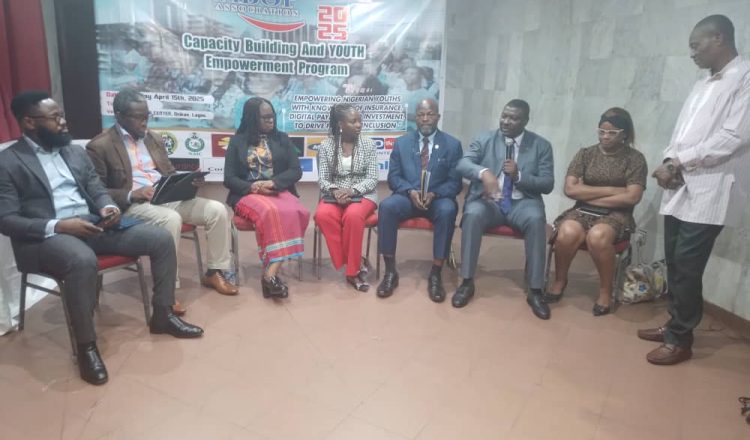
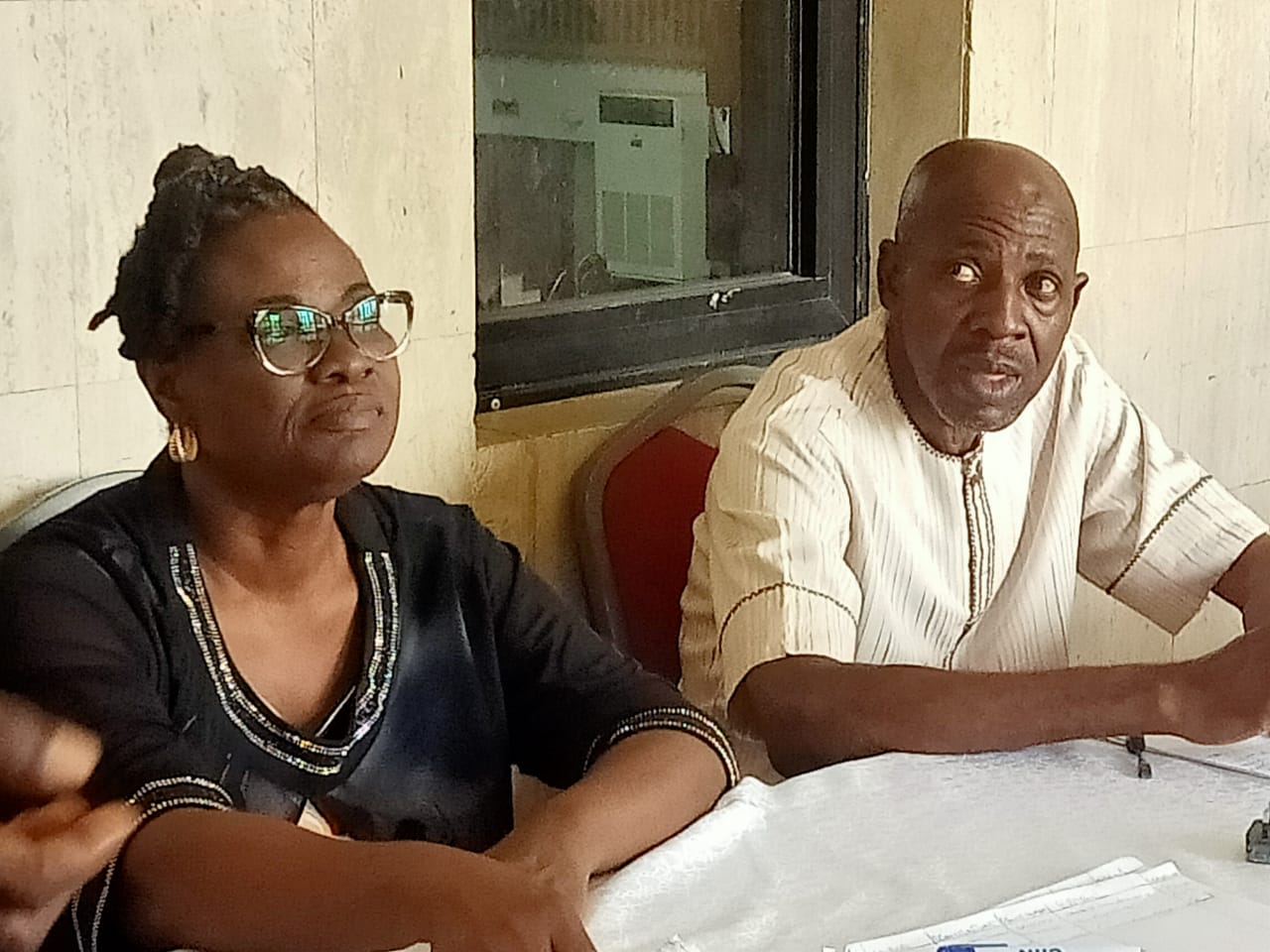
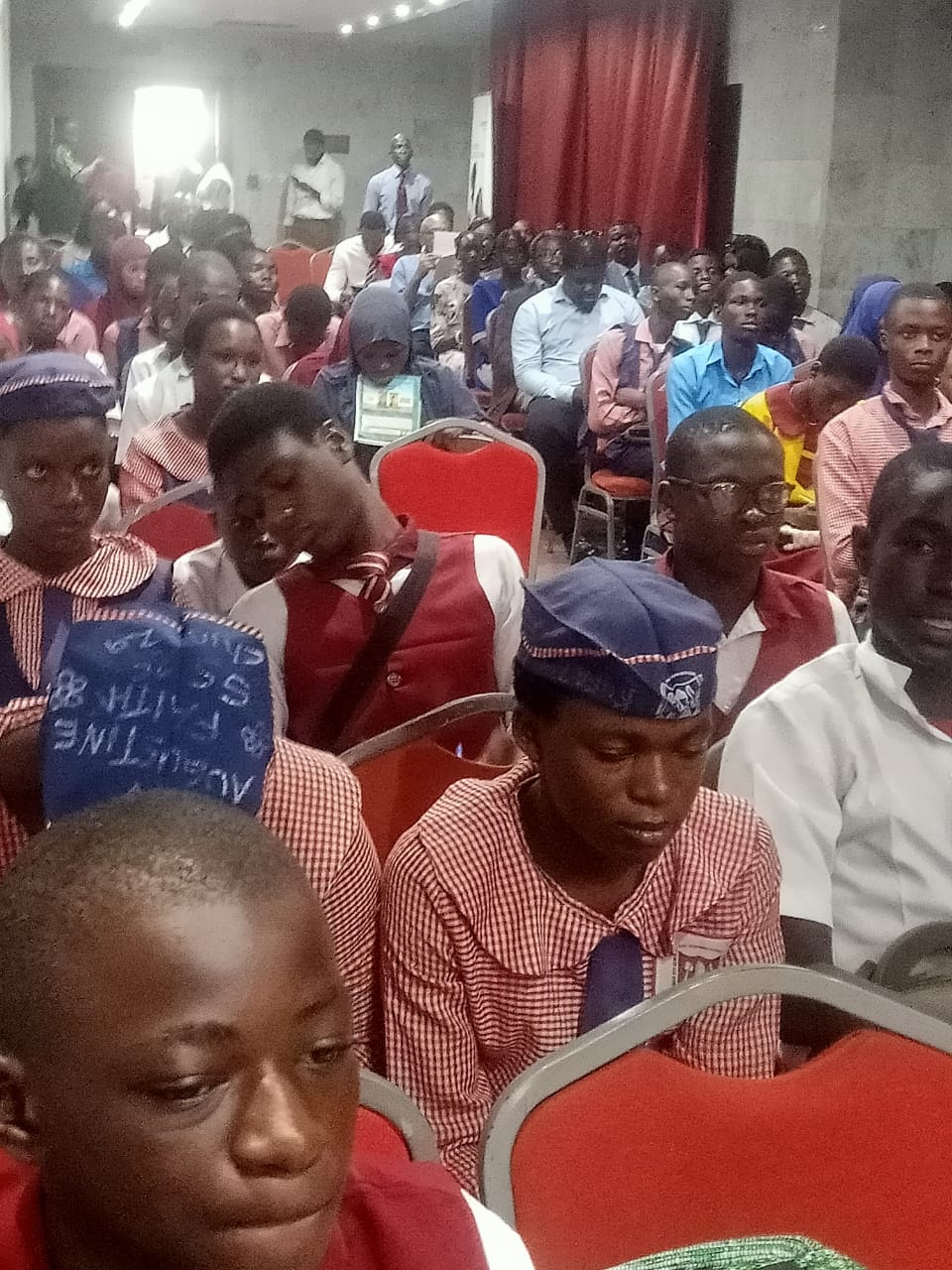
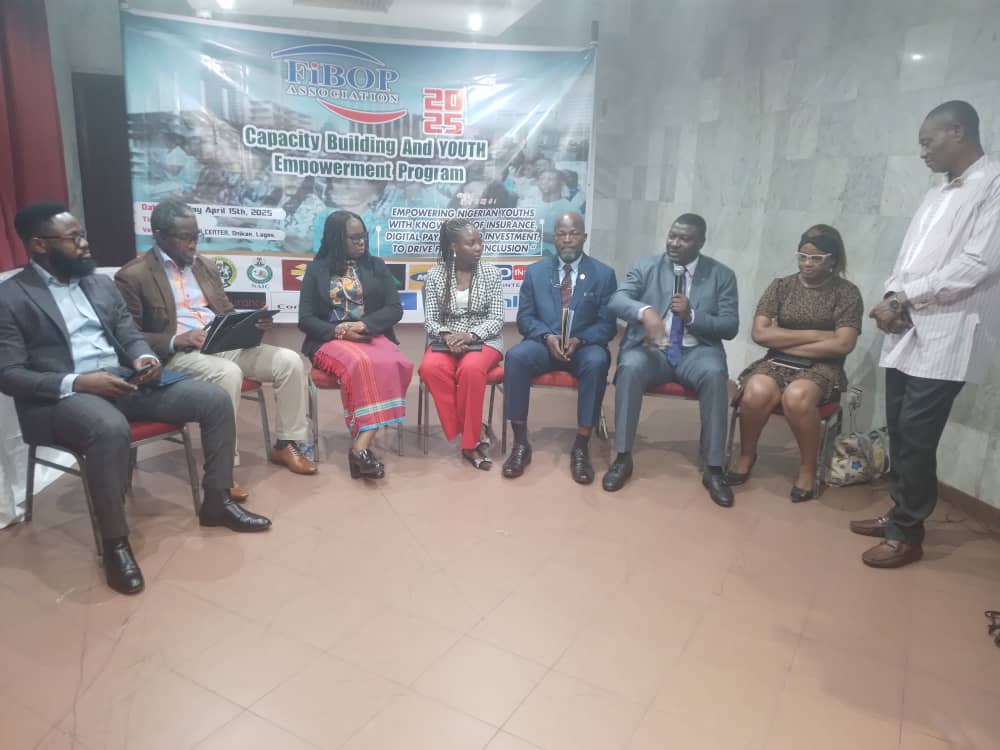
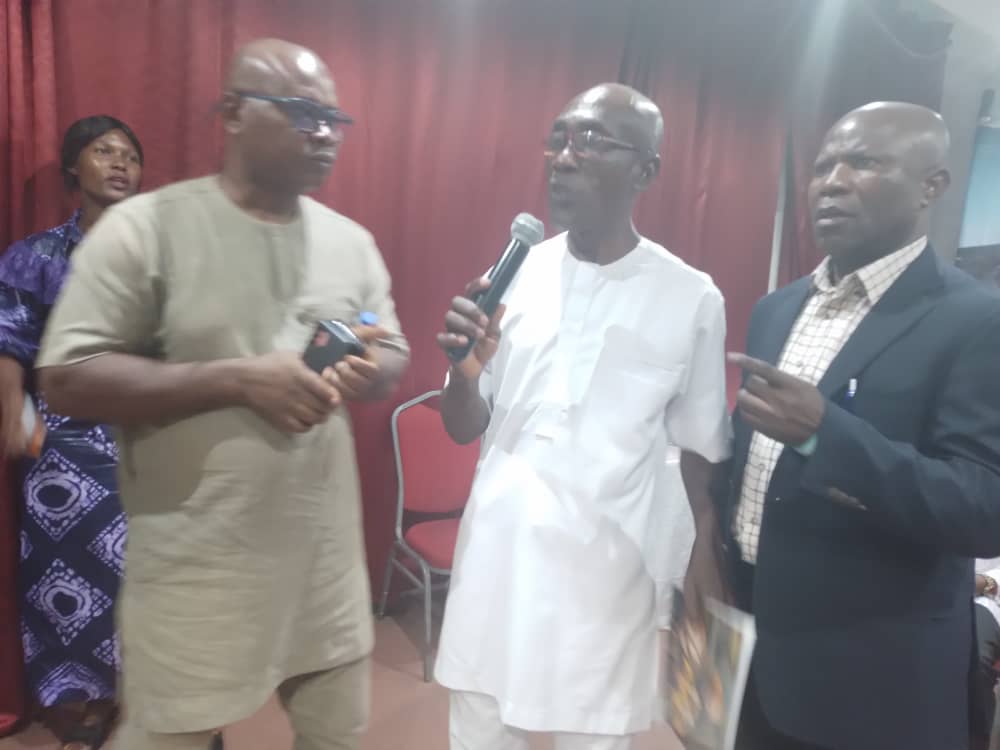
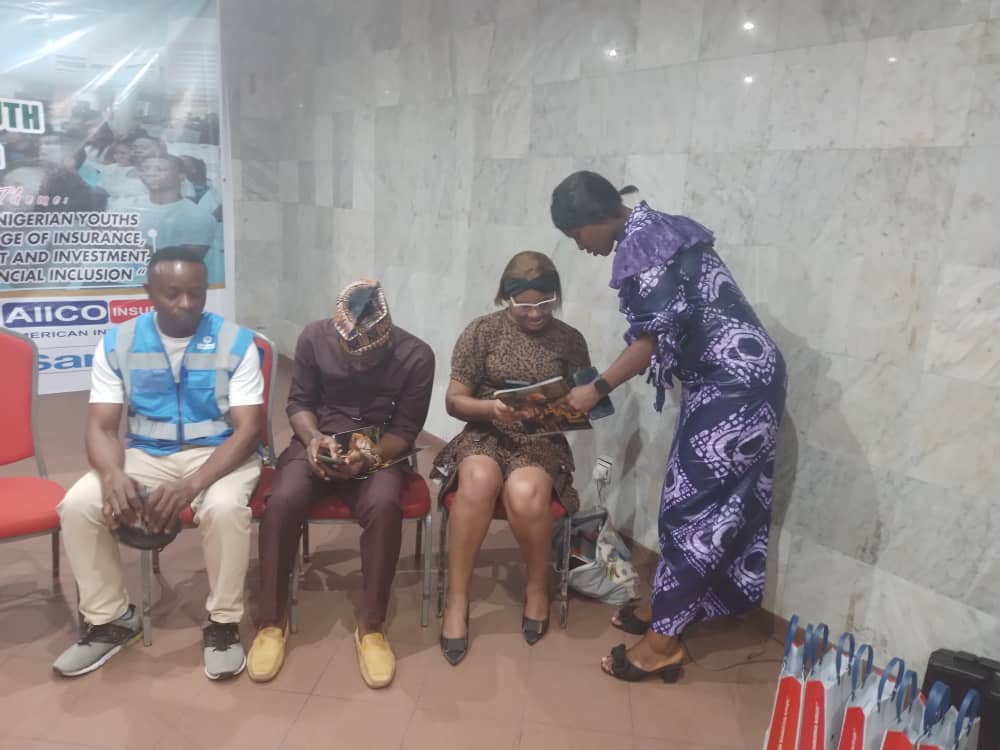
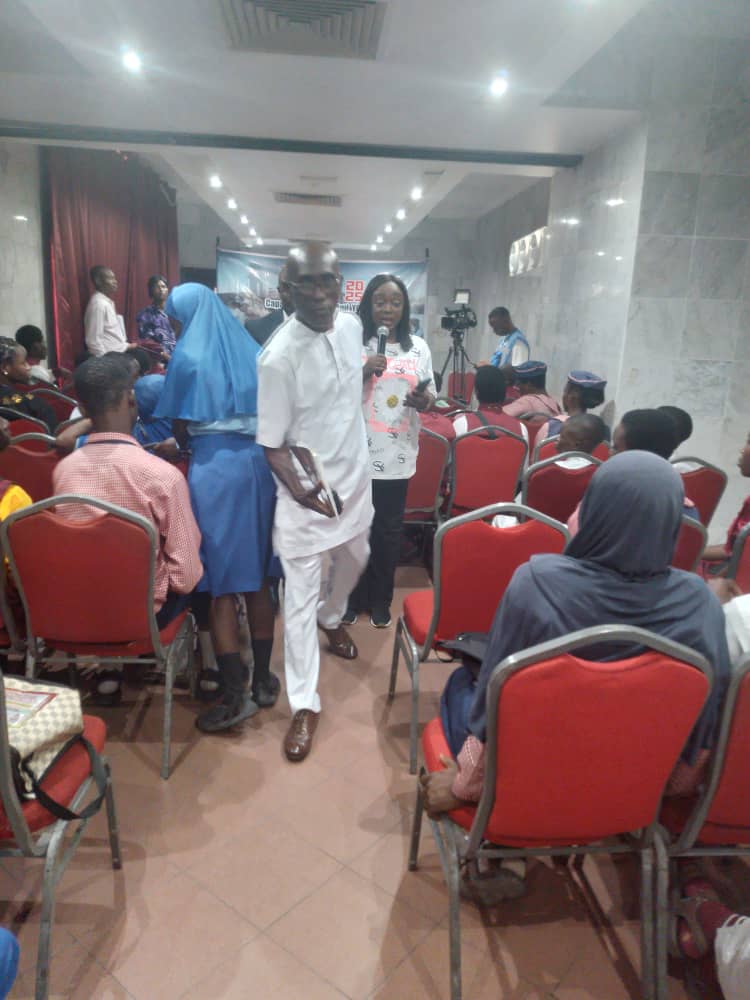
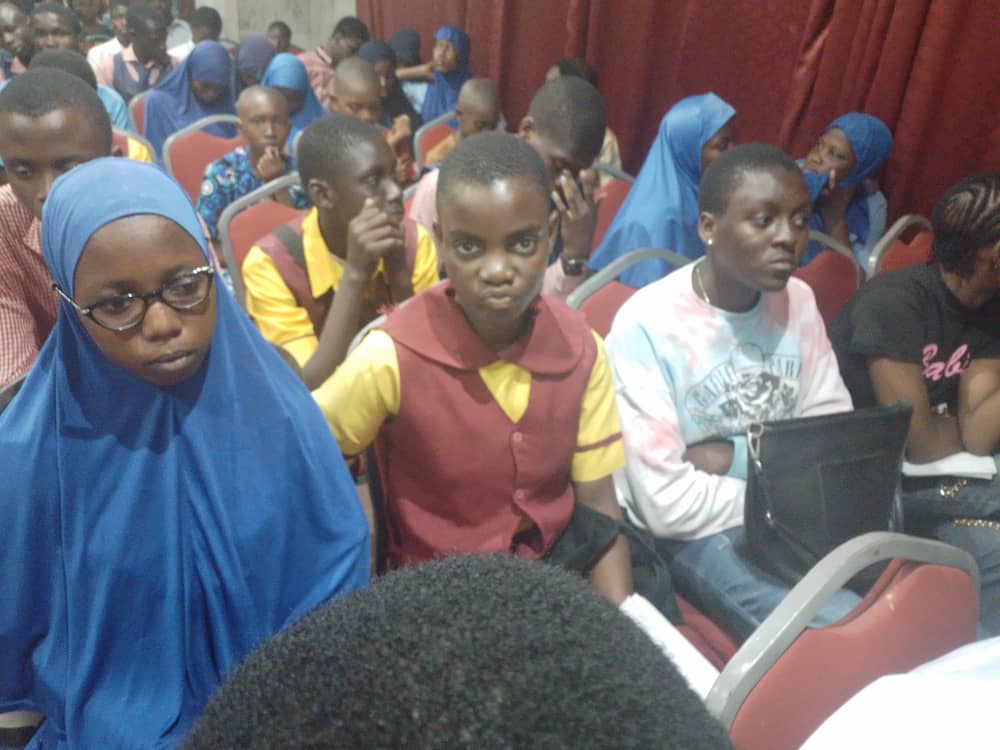
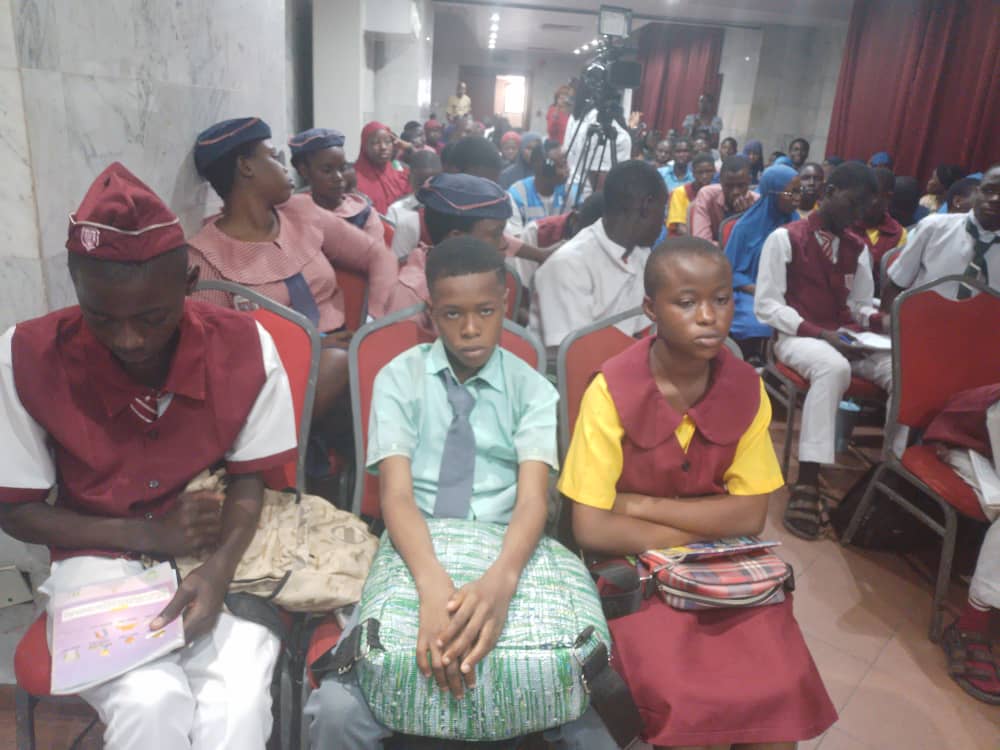
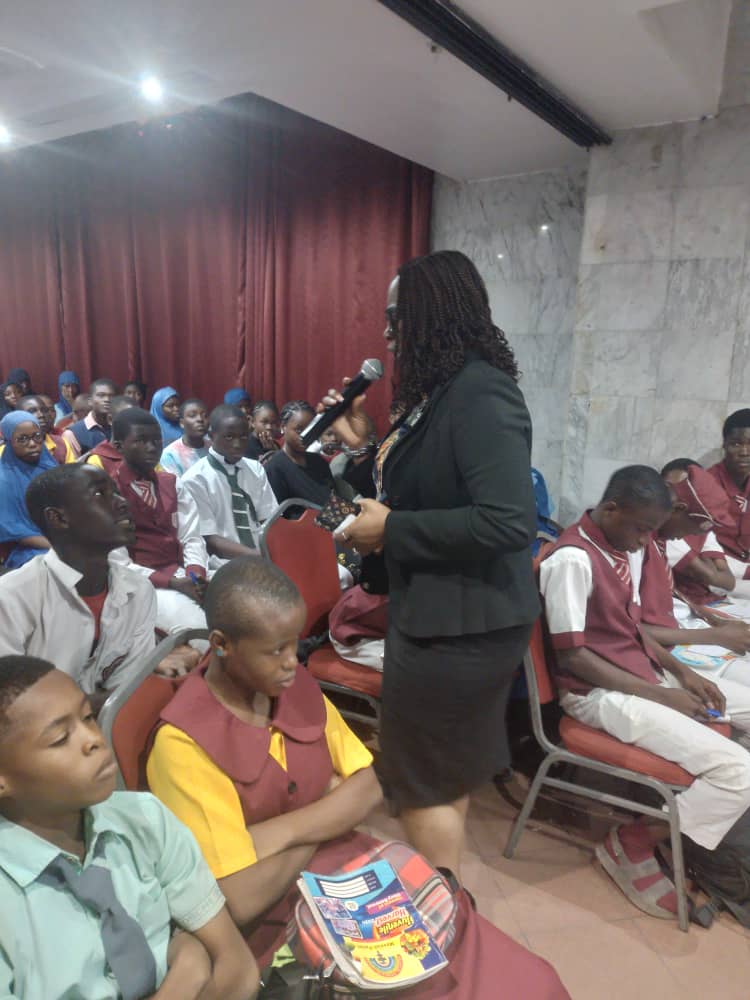
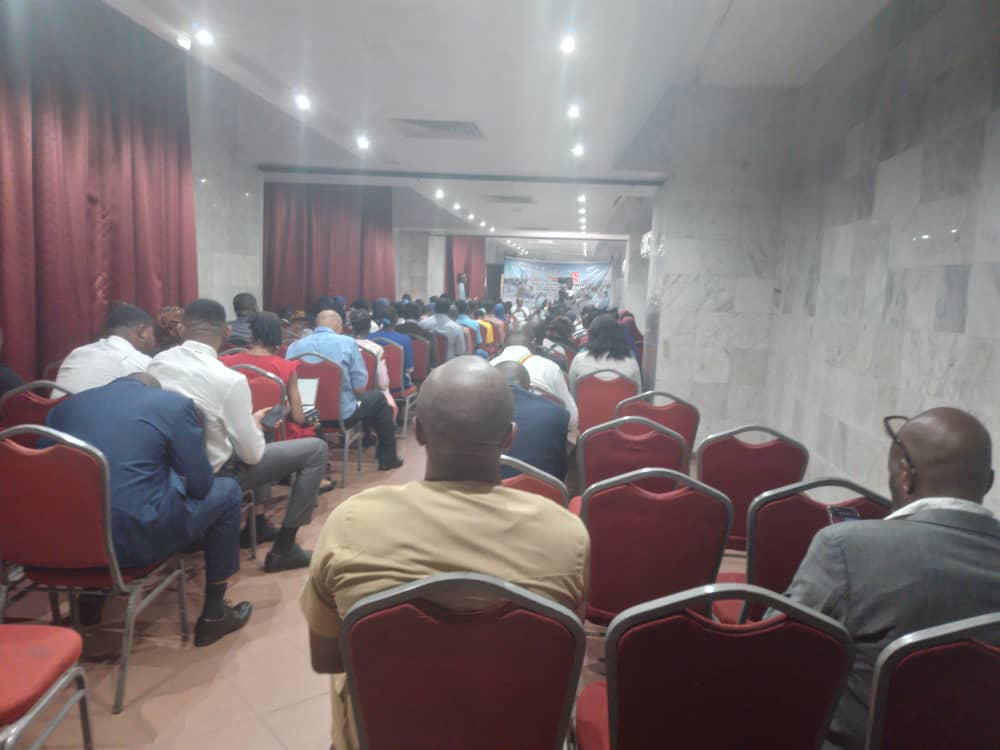
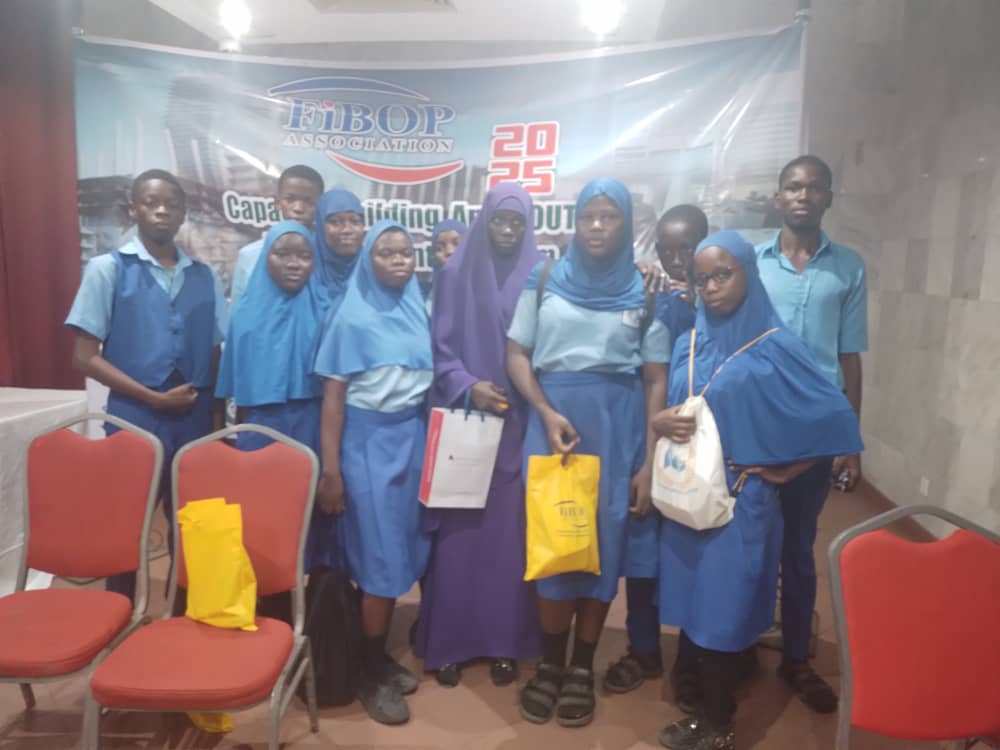
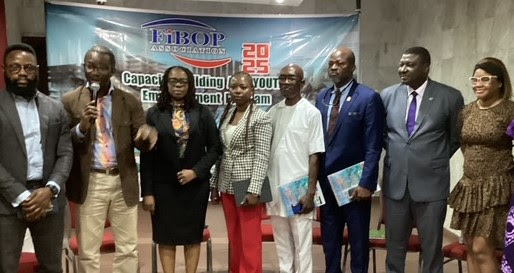
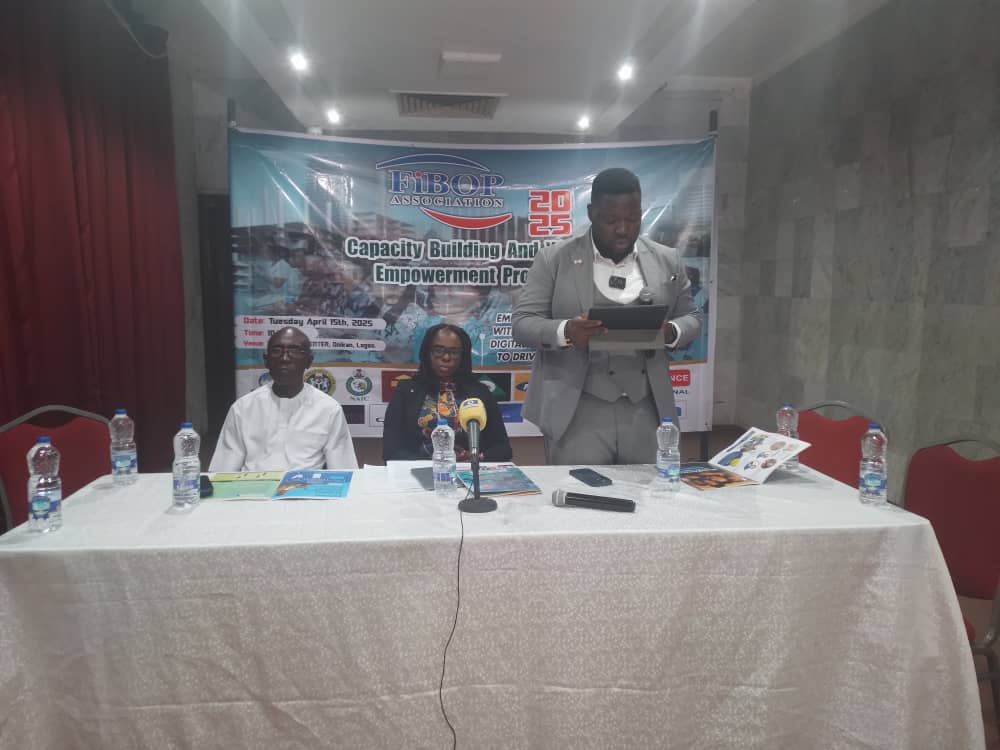
In today’s rapidly evolving economic landscape, the pivotal role of youth in shaping the future of financial systems cannot be overstated. At the 2025 Finance and Business Online Publishers Association (FiBOP) Youth Capacity and Empowerment Programme held Tuesday April 15, 2025 in Lagos, industry experts from the Insurance, Telecommunication, and Banking sectors convened to address the pressing need for early engagement of young individuals in essential financial practices. They emphasized that adopting insurance, digital payments, and investment strategies at a young age is not just beneficial but vital for equipping the next generation with the tools necessary for effective leadership and responsible financial stewardship.
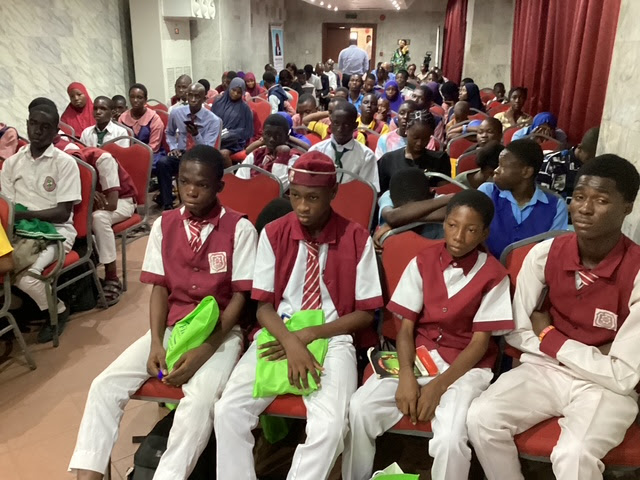

While making opening remarks at the event which took place at Muson Centre, Onikan, Lagos with the theme “Empowering Nigerian Youths with Knowledge of Insurance, Digital Payment and Investment To Drive Financial Inclusion,” FiBOB President, Charles Onwuatogwu, highlighted the rationale behind the programme.
He said the programme was geared towards building the capacity of the youths to enable them navigate the future financial landscape and be able to contribute meaningfully to the growth and development of the Nigerian and African economy, as well as take charge of their finances both now and in future.
The theme of this program, he said, was painstakingly chosen to address the knowledge gap in insurance and digital payment in Nigeria.
“As the financial sector becomes more dynamic, a better understanding of the sector will aid speedy growth and development, particularly insurance, which, despite its importance, is grossly misunderstood; hence the need to expose the youths to the basic elements of playing in this field early in life.
“The importance of digital innovation in fostering a better understanding of insurance and its transformative power cannot be overemphasised.
“As we gather to discuss financial inclusion, via harnessing insurance, digital payment and investment, I urge you, our esteemed participants, to pay rapt attention to the lectures to follow the speakers,” Mr. Onwuatogwu said.
The keynote speaker, Miss Mojisola Ogundipe, presented the theme paper titled “Empowering Nigerian Youths with Knowledge of Insurance, Digital Payment, and Investment to Drive Financial Inclusion.” She emphasized the crucial need for young people to understand insurance, digital payment systems, and investment strategies
Speaking on insurance, Mojisola defined insurance as a system of protection against financial loss, which provides help during accidents, illness, or disasters.
She explained the basic terms in insurance, such as Policy, Coverage, Claim, Beneficiary and Premium.
Policy: A contract between the insured (you) and the insurance company, outlining the terms and conditions of coverage.
Claim: A request made to the insurance company for payment or compensation when a covered event occurs (e.g., accident, illness).
Beneficiary: The person or entity designated to receive the insurance payout in the event of a claim (often applicable to life insurance).
The Premium: The amount of money paid to an insurance company to maintain protection provided by the insurance policy, specifying what is included and excluded from the policy.
Mijisola listed types of insurance to include Life Insurance, Health Insurance, Vehicle Insurance, Educational Insurance as well as Home Insurance, noting that each type of insurance serves a specific purpose, helping individuals and families manage risk and financial uncertainty.
Life Insurance: Provides financial protection for loved ones in the event of the policyholder’s death, often including a payout to beneficiaries.
Health Insurance: Covers medical expenses incurred due to illness, injury, or disease, helping policyholders manage healthcare costs.
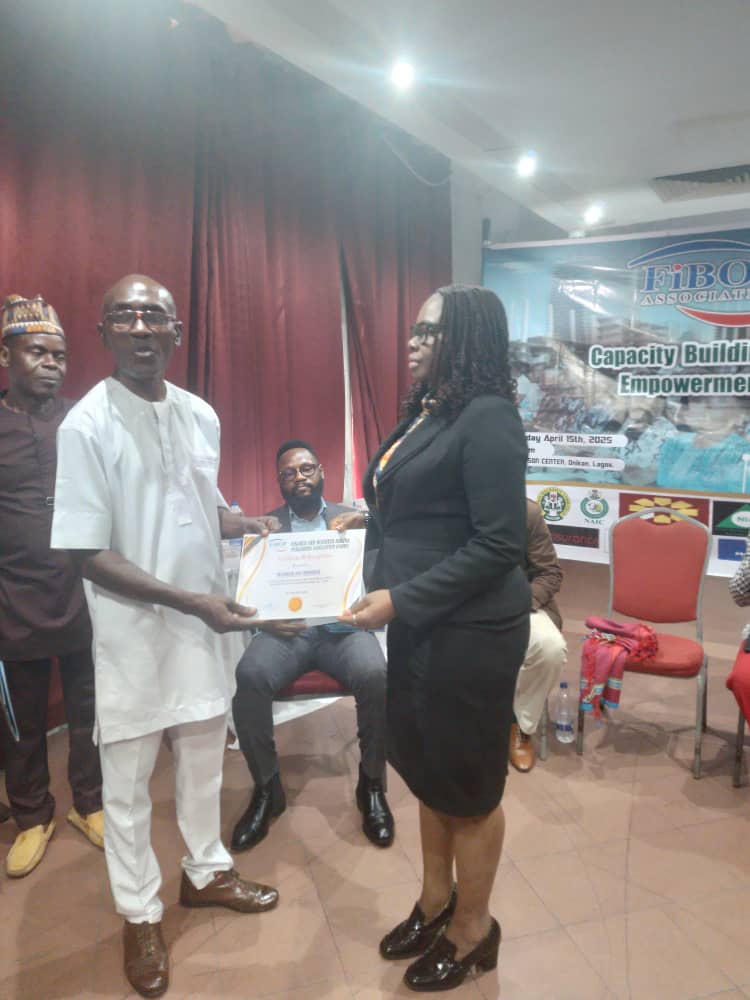
Mr Kayode Adetola, Head, Retail, Cornerstone Insurance, Presenting a Certificate of Recognition as FIBOP Number One Fintech Personality Of the Year 2025 to Chidinma Emena, representative of Monipoint CEO, Mr Tosin Eniolorunda at the programme.
Vehicle Insurance: Protects vehicle owners against financial losses due to accidents, theft, or damage to their vehicle.
Education Insurance: Designed to help fund education expenses, often providing a payout when a child reaches a certain age or milestone.
Home Insurance: Covers damage or loss to a home and its contents due to events like natural disasters, theft, or accidents.
On Digital Payment, she described it as the future of money, noting that it is the process of paying or receiving money using phones, cards, or computers—no cash needed.
Presentation of Certificate of Recognition to the representative of Anchor Insurance MD/CEO, Dr. Augustine Ebose Osegha, as Finance and Business Online Publisher Association (FiBOP) Insurance Personality of the Year 2025 by the Rector of the College of Insurance and Financial Management (CIFM), Dr (Mrs) Chizoba Ehiogu at Fibop’s 2025 youth capacity building and empowerment program held on Tuesday, April 15, 2025 at MUSON Centre, Onikan, Lagos.
Mojisola listed some common digital payment methods as Mobile wallets (e.g., Google Pay, Apple Pay, PayPal), Bank apps, Debit/Credit Cards and Quick Response (QR) Codes & Unified Payments Interface (UPI) in some countries.
Speaking on Investment, she said it is putting money into something to earn more over time.
According to her, types of investments include Savings Accounts, Fixed Deposits, Insurance, Mutual Funds, Stocks, and Cryptocurrency, which she said is highly risky.
Underscoring the importance of insurance, digital payments, and investment, Mojisola noted that “Insurance protects your life and assets. Digital payments are the new normal…Investments are for your future….”