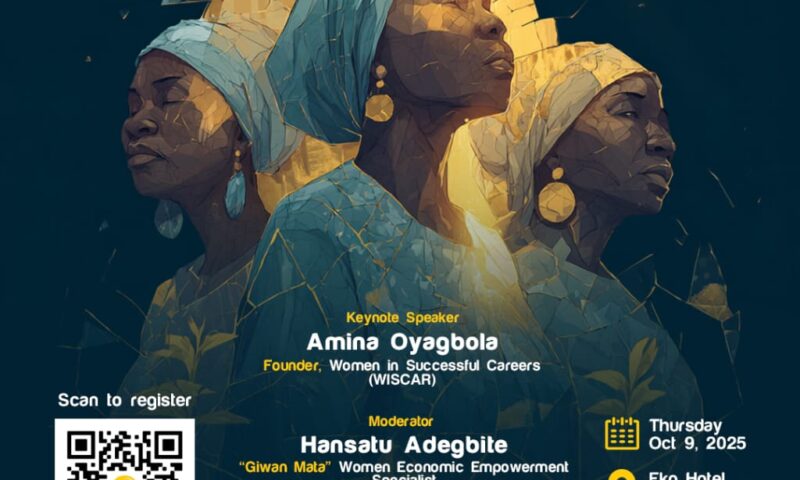
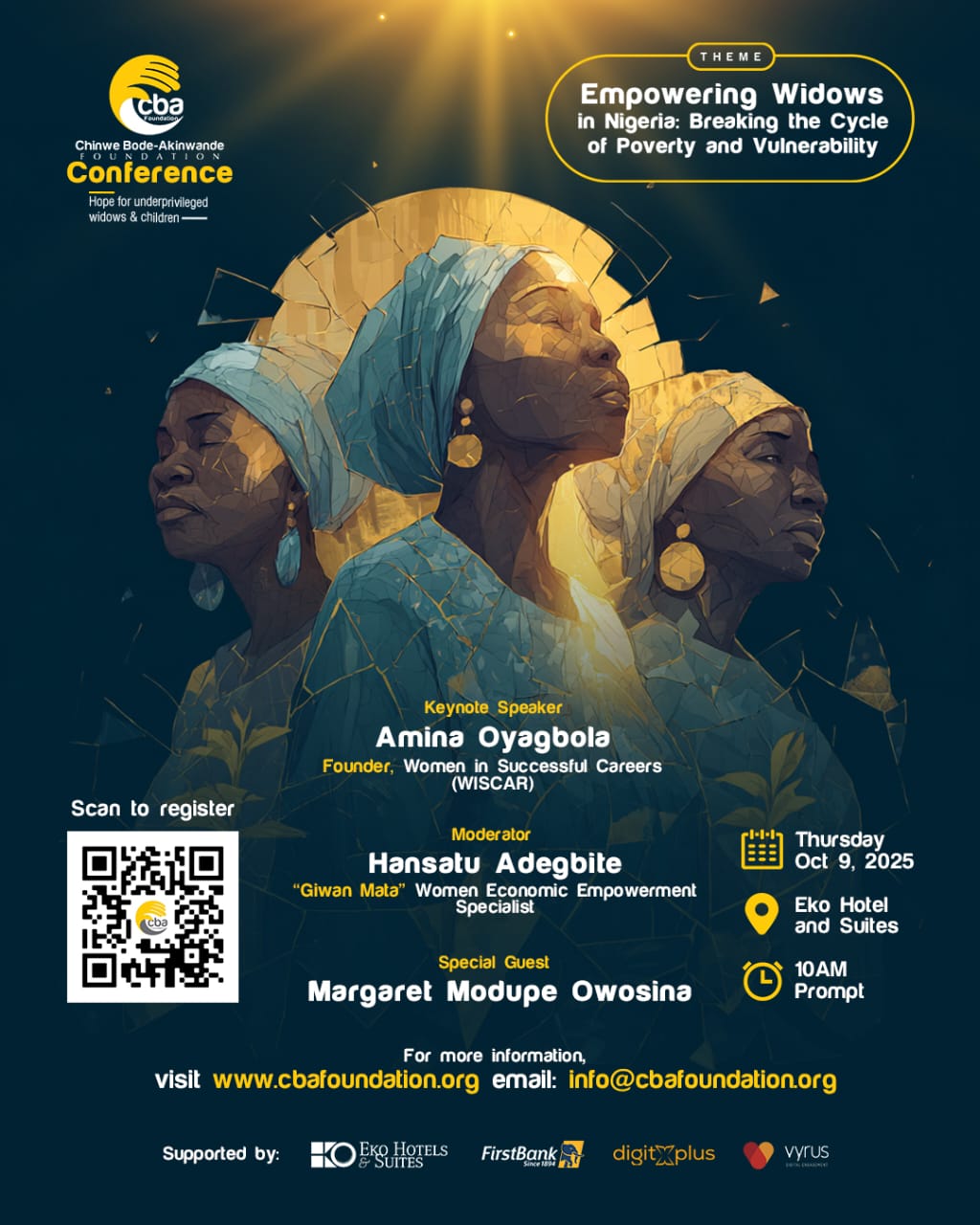
Nigerian Widow Empowerment Takes Center Stage At CBA Foundation Conference


By Winifred Bosa
NLNG has urged Africans to move beyond the role of raw material suppliers and take their place as key players in the global LNG market.
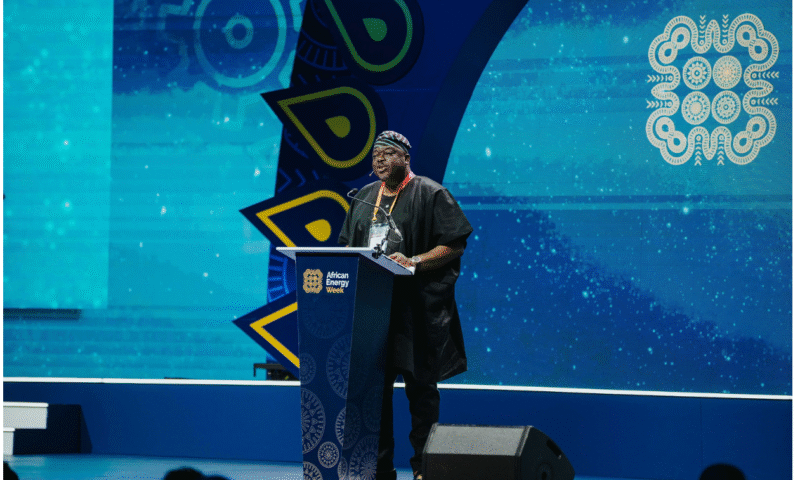
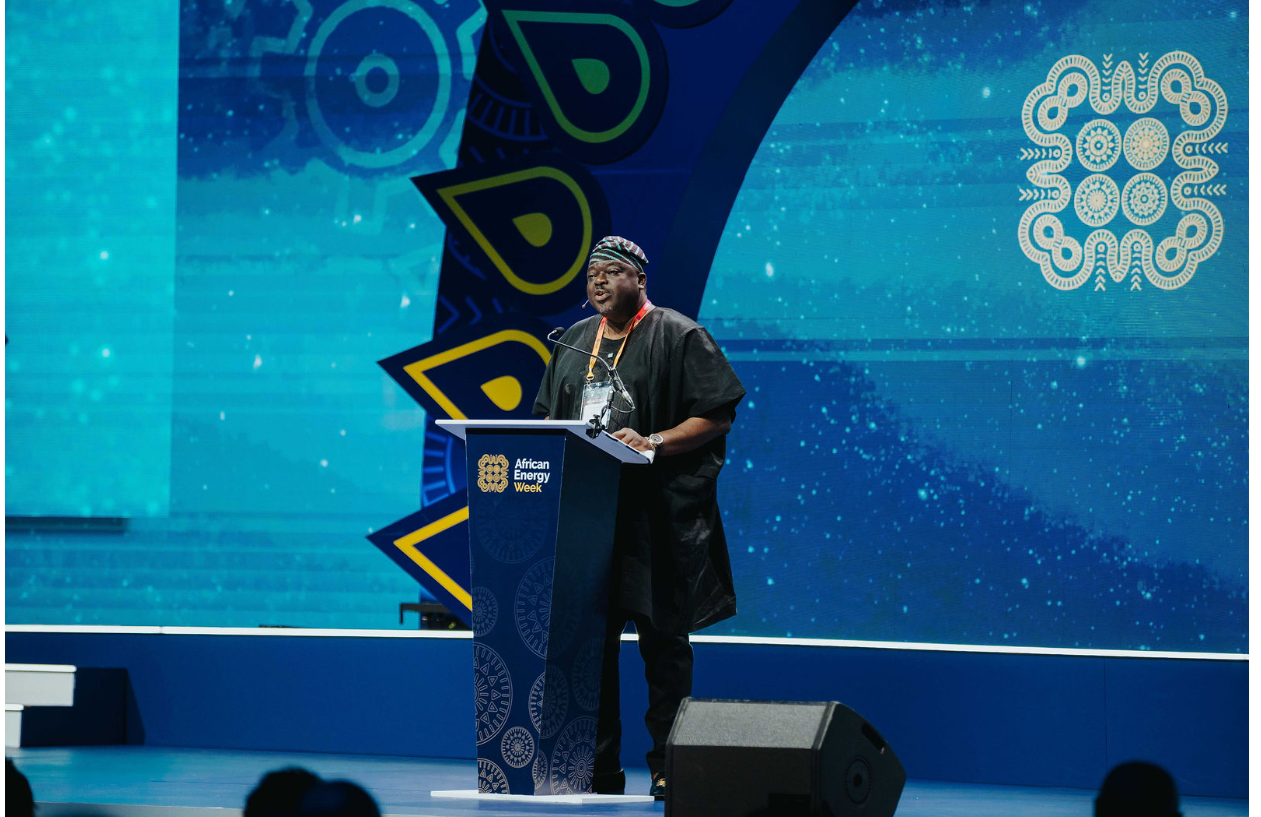
According to a press release by NLNG , speaking during a keynote address titled “The Role of African LNG in a Dynamic Export Market” at the Africa Energy Week (AEW) 2025 in South Africa, the Company’s Deputy Managing Director, Olakunle Osobu, stated that Africa was not a bystander in this conversation on energy security, affordability, and sustainability.
He also said Africa was a rising pillar of global supply, and that Nigeria has a duty to lead.
He stressed that with more than 850 trillion cubic feet of natural gas reserves, about six percent of the total global reserves, Africa has the resources, the position and the ambition to double its share of the global LNG market within the next decade.
Osobu highlighted Nigeria’s role as the continent’s LNG pioneer, pointing to the NLNG Train 7 expansion project, which will grow the company’s capacity from 22 million tonnes per annum (MTPA) to 30 MTPA, as a demonstration of sustained leadership.
“Our investment in expansion shows that Nigeria is driving LNG growth not only for exports but also for domestic industries and energy access. We must prove that Africa can deliver LNG that is secure, competitive, and sustainable,” he added.
Osobu noted that emerging LNG frontiers across the continent collectively represent more than 45 MTPA of potential new supply. With these additions, Africa’s LNG output could rise from about 70 MTPA today to 120 MTPA by 2035, further consolidating the continent’s standing as a global LNG hub, he added.
While noting Africa’s strategic advantage, shorter shipping routes to both Europe and Asia, Osobu warned that competitiveness, financing, and domestic responsibility remain Africa’s biggest hurdles.
He pointed out that the U.S. and Qatar are rapidly expanding LNG capacities, while financiers increasingly demand low-carbon and decarbonised LNG projects.
He stressed that Africa’s LNG journey must strike a balance by supplying the world reliably, catalyse African industrialisation, and demonstrate sustainability in line with global decarbonisation goals.
Organised by the African Energy Chamber, Africa Energy Week 2025 brought together policymakers, investors, and industry leaders to shape Africa’s energy future.


Every year, Chicken Month highlights Chicken as one of the most popular and widely consumed sources of protein in the world. In Nigeria, where protein deficiency remains a pressing concern, Chicken Month is more than a celebration; it is a reminder of chicken consumption’s role in improving the nation’s nutrition and health.
No doubt, protein is a vital nutrient for everyone. It fuels children’s growth and learning, supports adults in maintaining strong muscles and energy, and strengthens immunity across all ages. Yet for many households, meeting daily protein needs can feel like a challenge.
That is why chicken stands out. It is one of the most practical solutions available- affordable, accessible, and adaptable to our everyday meals.
Chicken is more than just delicious. It is a lean source of high-quality protein, offering essential nutrients without the heavy saturated fats often associated with red meats.
This makes it a smart choice for families who want to enjoy tasty meals while also caring for their health. From stews to soups, grilled portions, or even our Nigerian jollof rice, chicken fits seamlessly into Nigerian cuisine, proving that eating well does not have to be complicated or costly.
Beyond nutrition, chicken also represents versatility. Families can make the most of every part; from drumsticks and thighs to gizzards and liver etc, ensuring nothing goes to waste. With thoughtful cooking methods such as boiling, steaming, or grilling, chicken retains its nutrients while meeting the diverse tastes of both children and adults.
Chicken Month is an opportunity for Nigerians to rethink how they approach protein in their diets. By choosing chicken more often, families can take simple but powerful steps toward closing the protein gap and building healthier communities.
This Chicken Month, Right To Protein encourages every household to see chicken as not just a meal option, but as a daily commitment for better nutrition and a stronger future. Adding more protein to the plate is a simple way to open the door to better health and better living.


The Asset Management Corporation of Nigeria (AMCON) has offloaded 34 per cent of its stake in Unity Bank Plc to Providus Bank.
By Winifred Bosa

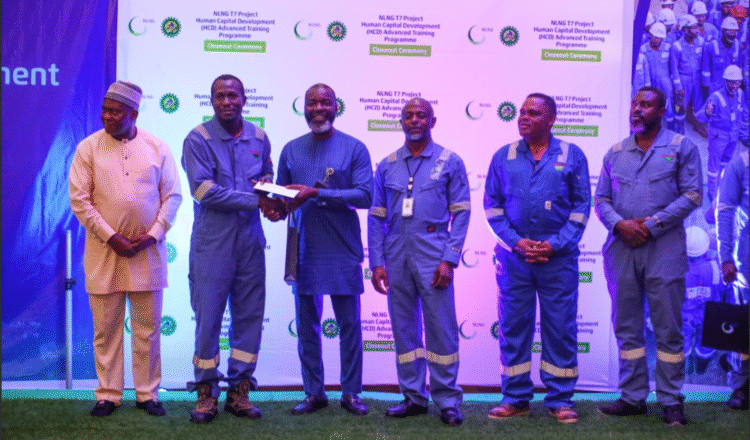
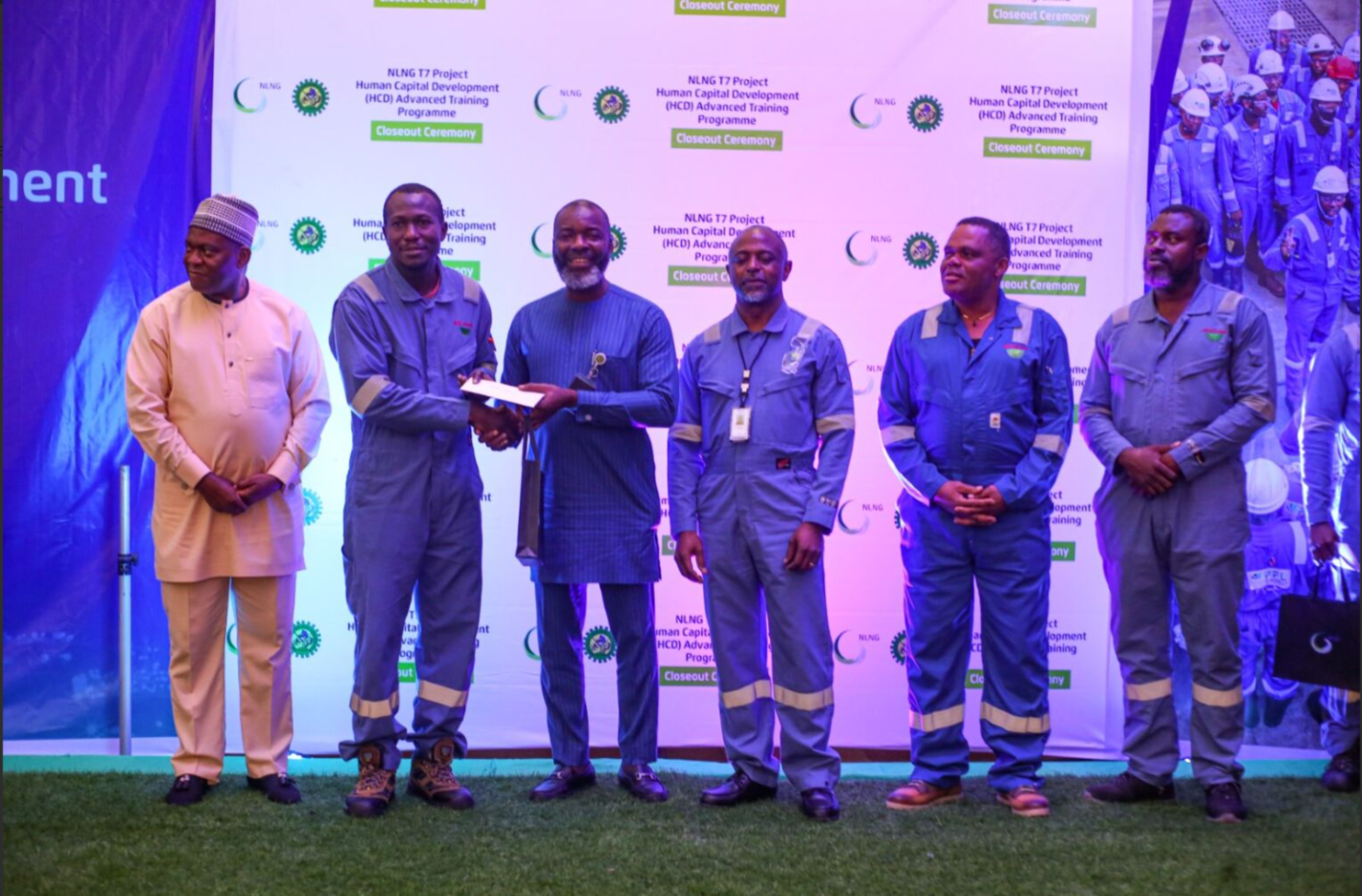
NLNG, in collaboration with the Nigerian Content Development and Monitoring Board (NCDMB), recently achieved a major milestone in the Nigerian Content development commitment, with the close-out of Train 7 Project Human Capital Development (HCD) Advanced Training Programme, at the plant complex in Finima, Bonny Island.
The training ends officially on 30th September 2025 with the departure of the trainees from its plant facility in Bonny Island. The HCD programme, run under the guidance of the NCDMB, is a Federal Government initiative to build capacity for the oil and gas industry and fulfil the Nigerian Oil and Gas Industry Content Development (NOGICD) Act’s requirement on human capital development.
A total of 122 trainees, having completed prior HCD Basic Training Programmes, were approved by the NCDMB, to participate in the rigorous three month On the Job Training (OJT) within NLNG facilities, covering both graduate and vocational categories. The training programme focused on development of technical expertise in plant and facility management, amongst other competencies, and has positioned the trainees to take advantage of future opportunities within the oil and gas industry.
Speaking at the ceremony, NLNG’s Train 7 Project Director Engr. Ali Uwais, represented by Engr. Joshua Anemeje, Train 7 Project Corporate Liaison Manager, described the advanced training programme as a testament of the resilience, discipline, and growth of the trainees.
He congratulated the trainees for their commitment to excellence and urged them to take advantage of future opportunities within the oil and gas industry.
“This programme is about building a new generation of Nigerian professionals who will shape the oil and gas sector for decades to come. Its successful completion with a zero-incident safety record reflects not only your dedication but also NLNG’s uncompromising culture of ‘Safety First and Always’, and its operational excellence”, Engr. Anemeje said.
He further commended NCDMB, for its role as a strategic partner in driving Nigerian Content targets and capacity development in the industry, and the training partners, Candix Engineering Nigeria Limited, AOS Orwell, Arco Marine and Engineering Limited, Dover Engineering and Amaiden Energy Nigeria Limited, for ensuring a world class OJT experience and HR management.
In his comments, the NCDMB’s General Manager Human Capital Development (HCD), Esueme Dan Kikile, Esq, expressed delight on the conclusion of the training programme, which produced a pool of skilled and globally competitive workforce, knowledgeable in key areas such as instrumentation, electrical, mechanical, lifting and rigging activities, and fabrication, preventive and corrective maintenance, and can compete globally in the oil and gas industry and its linkage sectors.
Kikile described Train 7 Project as one of the largest gas infrastructure developments in Africa, noting that it not only created jobs but also provided a platform to groom young Nigerians with advanced technical and managerial competencies.
“This training provided hands-on experience on a live LNG project that complimented your academic and theoretical knowledge. This training further exposed trainees to specialised advanced technical disciplines, project management, health and safety, and emerging technologies critical to the future of the industry,” he added.
‘It is my delight to note that twenty-seven (27) of the trainees have received special recognition awards for their aptitude during the programme, out of which six (6) who were very exceptional have been offered automatic employment by AOS Orwell, one of the training partners,” he revealed.
He lauded NLNG and all other partner companies for their unwavering commitment to Nigerian Content development, referencing several other initiatives on which the Board is partnering with NLNG to deepen local content implementation in the Nigerian oil and gas industry.

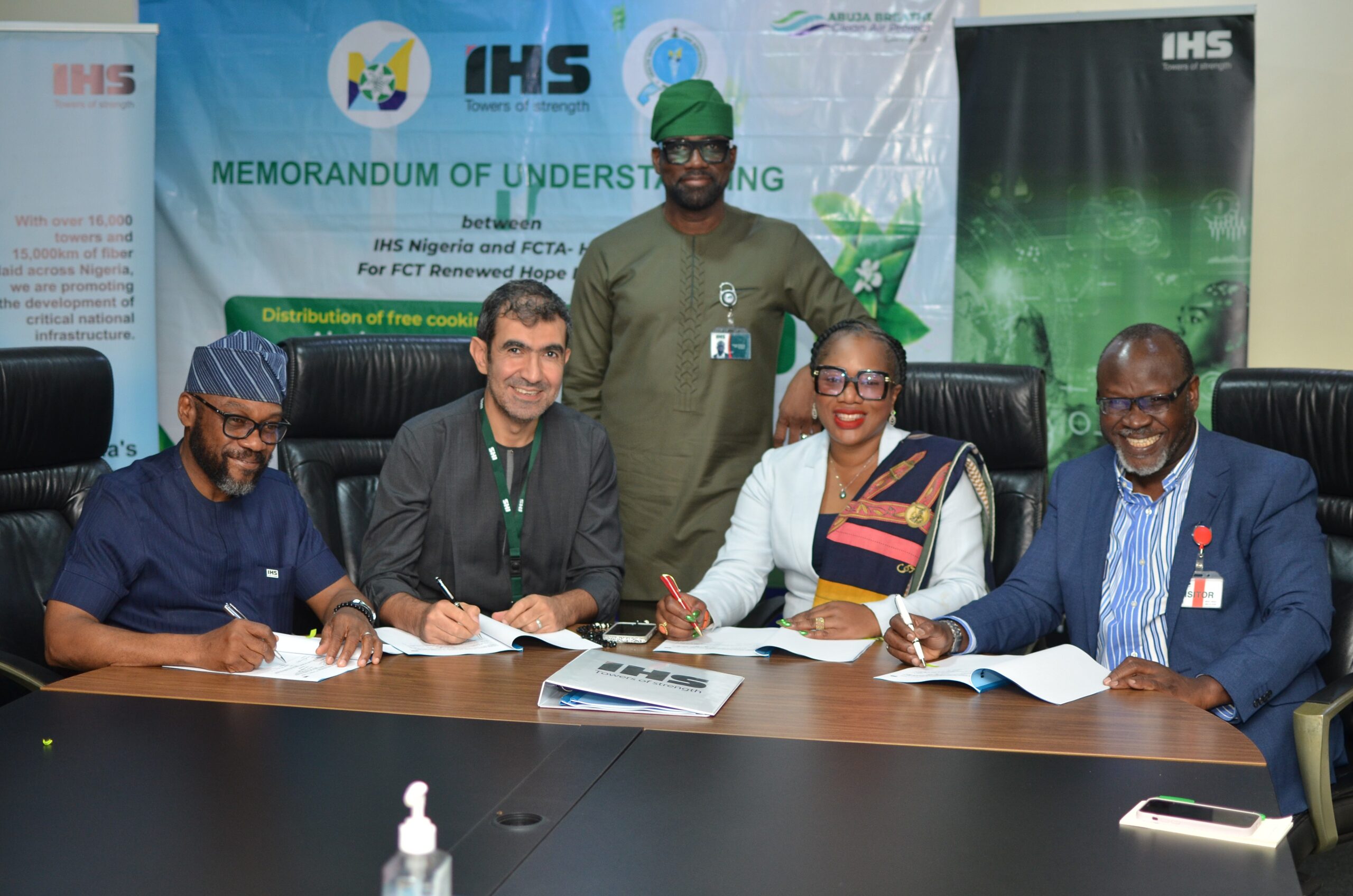
IHS Nigeria, part of the IHS Holding Limited (NYSE: IHS) (“IHS Towers”) group, one of the largest independent owners, operators, and developers of shared communications infrastructure in the world by tower count, has announced a strategic collaboration with the Health Services and Environment Secretariat (HSES) of the Federal Capital Territory (FCT), Abuja to promote clean energy use and improve environmental health standards in the Federal Capital Territory.
The partnership was formalized through the signing of a collaboration agreement on Thursday, September 25th at the IHS Nigeria head office in Lagos, marking a significant step in advancing joint efforts towards environmental sustainability, climate action, and improved public health across the FCT.
This collaboration underscores the shared commitment of both organizations to address pressing environmental challenges, promote cleaner and more sustainable energy alternatives, and reduce carbon emissions in the country.
The partnership also aligns with Nigeria’s Nationally Determined Contributions (NDCs) in tackling climate change and fostering a healthier, more sustainable environment for citizens.
Under the terms of the agreement, IHS Nigeria will work closely with HSES to implement community-based projects that promote the use of cleaner energy sources, reduce reliance on fossil fuels, and support initiatives designed to improve environmental health standards in the FCT.
Commenting on the collaboration, Mohamad Darwish, CEO, IHS Nigeria, said:
“Climate and environmental responsibility are central to our sustainability agenda. With over 16,000 sites nationwide, we are fully aware of our responsibility to reduce carbon emissions and advance clean energy solutions. Our investments in solar and hybrid power solutions, totaling over $750 million in the past decade, reflect our commitment. Partnering with HSES enables us to expand this impact by supporting healthier communities and contributing meaningfully to Nigeria’s energy transition and environmental goals.”
Speaking on behalf of HSES, Dr. Dolapo Fasawe, Mandate Secretary of Health Services and Environment Secretariat, said:
“There is no health without a clean environment. This partnership with IHS Nigeria is a demonstration of how the public and private sectors can come together to drive sustainability and safeguard the well-being of our people. Through this collaboration, we aim to showcase practical solutions that reduce carbon footprints, promote the adoption of clean cooking and energy alternatives, and inspire other states across the country to follow suit. The FCT is proud to lead by example in this regard.”
This landmark agreement not only reinforces IHS Nigeria’s dedication to sustainability, one of its core values but also strengthens the FCT’s efforts to advance climate resilience, environmental protection, and public health.
By Winifred Bosa

IHS Nigeria, part of the IHS Holding Limited (NYSE: IHS) (“IHS Towers”) group, one of the largest independent owners, operators, and developers of shared communications infrastructure in the world by tower count, has published its 2023 and 2024 Impact Report.
The report highlights IHS Nigeria’s continued commitment to helping foster a more sustainable and prosperous future for Nigeria, and covers sustainability and community impact activities from January 1, 2023, to December 31, 2024.
During this period, IHS Nigeria continued to contribute towards the United Nation’s Sustainable Development Goals and execute IHS Towers’ four-pillar sustainability strategy – focusing on ethics and governance, environment and climate change, education and economic growth, and our people and communities, which IHS Nigeria seeks to align with the Renewed Hope Agenda of the Nigerian Government.
Report Highlights
Details of the activity published in this report under IHS Towers’ four sustainability pillars include:
Education and economic growth
Supported the construction and operation of the Ilorin Innovation Hub, expected to be the largest innovation centre in Nigeria, and other hubs in Ogbomosho (Oyo) and Alimosho (Lagos)
Partnered with the Ministry of Communication and Digital Economy on the 3 Million Technical Talent (3MTT) initiative to help train more than 100,000 Nigerians in digital skills
Welcomed 10 Nigerian educators to the 12-month Limitless Global Educator Program, in partnership with the Limitless Space Institute, and helped facilitate a visit to the NASA Space Center
Partnered with UNICEF Nigeria to support 956 schools across the country with school connectivity; 421 of which were successfully connected to the internet, enabling them to access the Nigerian Learning Passport under the UNICEF GenU initiative
Environment and climate change
Planted and nurtured 4,000 trees across the country
Installed 144 solar streetlights in communities across eight states, benefiting approximately 23,990 residents by helping improve security
Fitted 6,747 tower sites with hybrid power solutions to reduce dependency on diesel
Supported over 700 students with climate and eco-friendly education tools
Our People and Communities
Constructed nine medical oxygen plants in Bauchi, Ogun, Cross River, Kano, Yobe, Oyo, Kaduna, Ebonyi, and Rivers states to help strengthen lifesaving oxygen supply in hospitals, benefiting up to approximately 90,000 patients so far, according to UNICEF estimates
Constructed four solar powered boreholes in Borno State to provide clean water to over 20,000 beneficiaries
Supported 201 hydrocele surgeries and helped deliver treatment for neglected tropical diseases to over 1,000,000 people in partnership with the END Fund
Partnered with the Nigeria Solidarity Support Fund in Cross River State to vaccinate over 10,000 children
Ethics and governance
IHS Nigeria continues to align with the guidelines of ISO 26000 on social responsibility
Upskilled 238 suppliers and members of the IHS Procurement and Supply Chain team on sustainable supply chain management
Supported 11 research publications through the Telecommunications and Technology Sustainability Working Group
Awarded six start-ups with seed grants through the Sustainable Solution Africa Program
Mohamad Darwish, CEO, IHS Nigeria, commented, “As a business, our focus is not only on providing the connectivity that powers this economy, but also on making a lasting impact in the communities we serve. From a mother who is supported through childbirth with medical oxygen, to a child who writes his first line of code through our digital literacy initiatives, to a father who now worries less about health expenses, to educators who benefit from an unique opportunity to visit the NASA Space Center, these transformational stories provide us with fulfilment as a business and present a picture of progress. There is no better purpose than improving the wellbeing of our fellow citizens and helping encourage hope in the prospects of our country.”
Dapo Otunla, Chief Corporate Services Officer, IHS Nigeria, commented, “We believe in the power of the community and in empowering our people to help them unlock their full potential. Our interventions cut across the six geopolitical regions in Nigeria, as we seek to help pave the way for socioeconomic development and ensure that all Nigerians, regardless of their location, benefit from a better quality of life.”
By Winifred Bosa

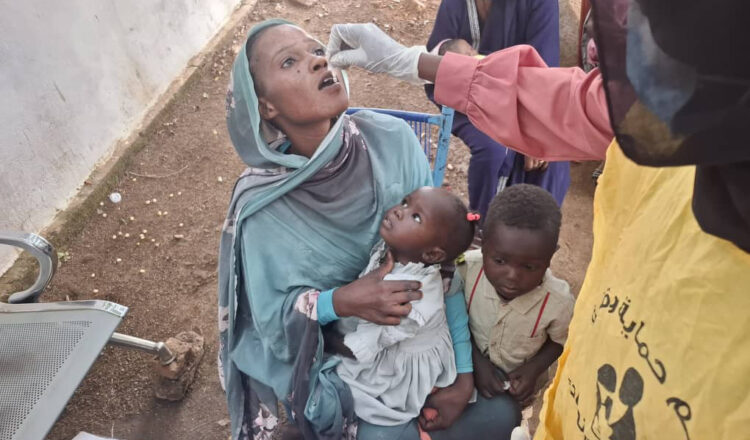
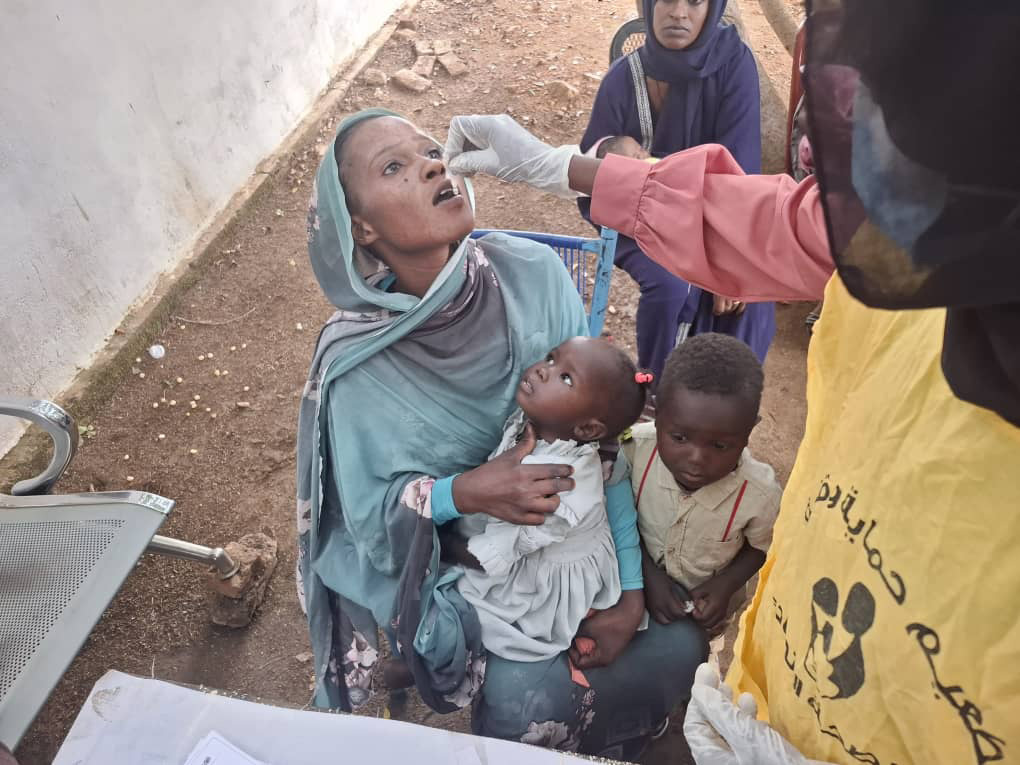
According to a press release by WHO , Plans are underway to launch the campaign in Tawila locality of North Darfur before the end of the month.
The campaign comes at a critical time, as cholera cases in Darfur continue to rise at an alarming rate and the ongoing conflict and lack of basic services make it increasingly difficult to support essential health services and deliver lifesaving medical supplies, including vaccines, nutrition kits and emergency supplies to most localities of the Darfur states, leading to an increased burden of disease, malnutrition and further spread of infectious diseases such as cholera.
“WHO teams in Darfur are working tirelessly with health partners to provide the necessary technical and operational support for a successful implementation of the campaign to protect the vulnerable population in the affected localities from the further spread of cholera,” says World Health Organization (WHO) Representative and Head of Mission in Sudan Dr Shible Sahbani. “The people in Darfur, and the rest of Sudan, must be protected from disease and suffering, and we are here to do exactly that as we have been doing so for decades.”
A total of 1.86 million doses of vaccines were mobilized through cross-border and crossline operations for the vaccination campaign. Extensive efforts were made by WHO, United Nations Children’s Fund (UNICEF) and Sudan’s Ministry of Health to deliver the oral cholera vaccines to the targeted localities in the Darfur States, overcoming numerous access and transport challenges.
Since 29 May 2025, when the first cholera case was reported from South Darfur, the disease has spread to 36 localities across all 5 Darfur states with reports of 12 739 cases and 358 deaths. Since July 2024, close to 113 629 cases and 3029 deaths have been reported across Sudan’s 18 states, making it the longest recorded cholera outbreak in the country’s history.
Cholera, an acute diarrhoeal infection caused by eating or drinking food or water contaminated with the Vibrio cholerae bacterium, is a global threat to public health and a major indicator of inequity and lack of social development. The 2-year conflict in Sudan has led to mass displacement, disrupted basic services and caused a severe lack of access to safe water, hygiene and sanitation (WaSH) services, creating a conducive environment for water-borne diseases such as cholera to spread. The rainy season poses an additional risk with flooding and contamination of water points contributing to the increase in cases.
Vaccines, together with a comprehensive and multisectoral response that includes disease surveillance, detection and timely reporting; rapid access to treatment of cases; improved access to clean water and sanitation and risk communication and community engagement will help interrupt transmission and contain the cholera outbreak.
As part of its coordination and operational support to the campaign, WHO has supported campaign preparations and implementation, including transport of vaccines between localities, capacity-building and deployment of volunteer vaccinators, and supportive supervision and monitoring of the campaign, building on its decades-long presence in the Darfurs.
“In line with its technical mandate, WHO supported the training of trainers and cascaded training sessions down to the level of vaccinators. Our teams will continue to work alongside the vaccination team to ensure the quality of the campaign,” said Dr Sahbani, describing WHO’s support to the campaign.
The campaign, launched by Sudan’s Ministry of Health with WHO and UNICEF, will run for 10 days, targeting 97% of the population in the 6 localities.
Vaccines were provided by the International Cooperating Group on Vaccine Provision (ICG), of which WHO is a member, together with UNICEF, the International Federation of Red Cross and Red Crescent Societies (IFRC) and Médecins Sans Frontières (MSF), with financial support from Gavi, the Vaccine Alliance.