
CBN Advert

The world is smoking less, but the tobacco epidemic is far from over. A new WHO global report shows the number of tobacco users has dropped from 1.38 billion in 2000 to 1.2 billion in 2024. Since 2010, the number of people using tobacco has dropped by 120 million – a 27% drop in relative terms. Yet, tobacco still hooks one in five adults worldwide, fuelling millions of preventable deaths every year.

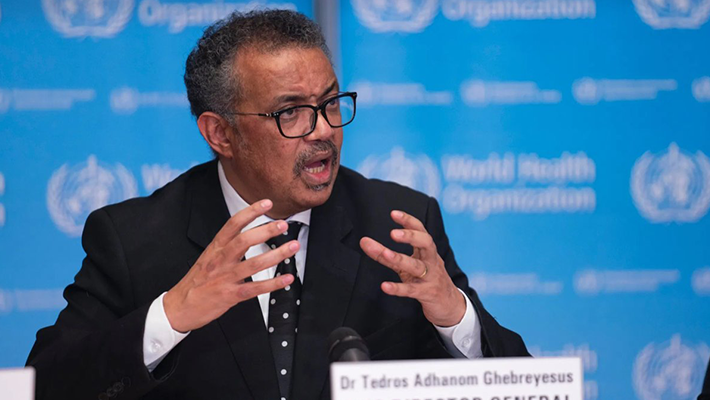
“Millions of people are stopping, or not taking up, tobacco use thanks to tobacco control efforts by countries around the world,” said Dr Tedros Adhanom Ghebreyesus, WHO Director-General. “In response to this strong progress, the tobacco industry is fighting back with new nicotine products, aggressively targeting young people. Governments must act faster and stronger in implementing proven tobacco control policies.”

For the first time, WHO has estimated global e-cigarette use – and the numbers are alarming: more than 100 million people worldwide are now vaping. This includes:

Adults: at least 86 million users, mostly in high-income countries.
Adolescents: at least 15 million children (13–15 years) already using e-cigarettes. In countries with data, children are on average nine times more likely than adults to vape.
The tobacco industry is introducing an incessant chain of new products and technologies for its aim to market tobacco addiction with not just cigarettes but also e-cigarettes, nicotine pouches, heated tobacco products among others, which all harm people’s health, and more worryingly the health of new generations, youth and adolescents.

“E-cigarettes are fuelling a new wave of nicotine addiction,” said Etienne Krug, WHO Director of Health Determinants, Promotion and Prevention Department. “They are marketed as harm reduction but, in reality, are hooking kids on nicotine earlier and risk undermining decades of progress.”

More women are quitting tobacco than men
While there has been a steady decline in tobacco use for both men and women across all age-groups during 2000–2024, women have been leading the charge to quit tobacco. They hit the global reduction target for 2025 five years early, reaching the 30% milestone back in 2020. Prevalence of tobacco use among women dropped from 11% in 2010 to just 6.6% in 2024, with the number of female tobacco users falling from 277 million in 2010 to 206 million in 2024.

By contrast, men are not expected to reach the goal until 2031. Today, more than four out of five tobacco users worldwide are men, with just under 1 billion men still using tobacco. While prevalence among men has fallen from 41.4% in 2010 to 32.5% in 2024, the pace of change is too slow.

Regional picture
South-East Asia: Once the world’s hotspot, prevalence among men nearly halved – from 70% in 2000 to 37% in 2024. The Region alone accounts for over half of the global decline.
Africa: Prevalence is the lowest of all regions at 9.5% in 2024, and the Region is on track to meet the 30% target. However, because of population growth, the absolute number of tobacco users continues to rise.
Americas: The Region has achieved a 36% relative reduction, with prevalence dropping to 14% in 2024, though some countries still lack sufficient data.
Europe: This is now the highest-prevalence Region globally, with 24.1% of adults using tobacco in 2024, with women in Europe having the highest global prevalence at 17.4%.
Eastern Mediterranean: Prevalence is 18%, with tobacco use continuing to rise in some countries.
Western Pacific: With 22.9% of adults using tobacco in 2024, down from 25.8% in 2010, the progress in this Region is the slowest. While women have low prevalence at 2.5%, men have the highest prevalence of all regions at 43.3%.
Actions needed
WHO is urging governments everywhere to step up tobacco control. This means fully implementing and enforcing the MPOWER package and the WHO Framework Convention on Tobacco Control, closing loopholes that allow the tobacco and nicotine industries to target children, and regulating new nicotine products like e-cigarettes. It also means raising tobacco taxes, banning advertising, and expanding cessation services so that millions more people can quit.

“Nearly 20% of adults people still use tobacco and nicotine products. We cannot let up now,” said Jeremy Farrar, WHO Assistant Director-General for Health Promotion and Disease Prevention and Care. “The world has made gains, but stronger, faster action is the only way to beat the tobacco epidemic.”

Source: WHO

SON To Hold 2025 World Standard Day to support Sustainable Development Goals

...Walk for Standards holds October 11th
By Fidelia Okafor 

The Standards Organisation of Nigeria, SON, would join the rest of the world to celebrate the 2025 World Standards day with a focus on the Sustainable Development Goals,SDG.

Announcing SON’s participation in a statement, the organisation’s Director, Corporate Affairs –Mrs Talatu Ethan –stated that the event would be commemorated as usual with a “Walk For Standards” on Saturday, 11th October.

The day is celebrated globally to commemorate the collaborative efforts of thousands of experts worldwide who developed voluntary technical agreements known as international standards.

Last year’s edition was a huge success with the day used to draw necessary attention to Artificial Intelligence.

The Worlds Standards Day has therefore become a veritable platform which stakeholders in different sectors of the economy look forward to for enlightenment, not only on updates on standardization issues, but also on key global issues that are impacting businesses and living.

Giving details of the event, Ethan stated; “The Theme of the 2025 Worlds Standards Day is: Shared Vision For a Better World: Spotlight on SDG 17: Partnership For the Goals. The great occasion will be marked with a “Walk For Standards” to raise awareness on the critical role of Standards in everyday life and in achieving the Sustainable Development Goals.

“This will be on Saturday, 11th October, 2025, at 8.00am and participants would converge at SON’s Ogba office, from where we will be walking through Adeniyi Jones to Aromire street and then to Allen Avenue Junction, and from there to Ikeja bridge by Awolowo House Roundabout, to the popular Computer village, to Oba Akran avenue, back to SON’s Ogba office.”

The Director said the Director General of SON –Dr Ifeanyi Chukwunonso Okeke – would be delighted to have as many Nigerians as possible, plus foreigners living in the country, to participate in the programme.

“Indeed, everyone is invited. Participation is free and we will be pleased to have people trooping in for the walk as a demonstration of their commitment to Standards and Sustainability, just as the event can be maximized for exercise, networking and possible business opportunities”, Ethan also stated.

Abia State, EU, UNICEF , ILO Collaborate To Bolster Social Protection For Vulnerable Families

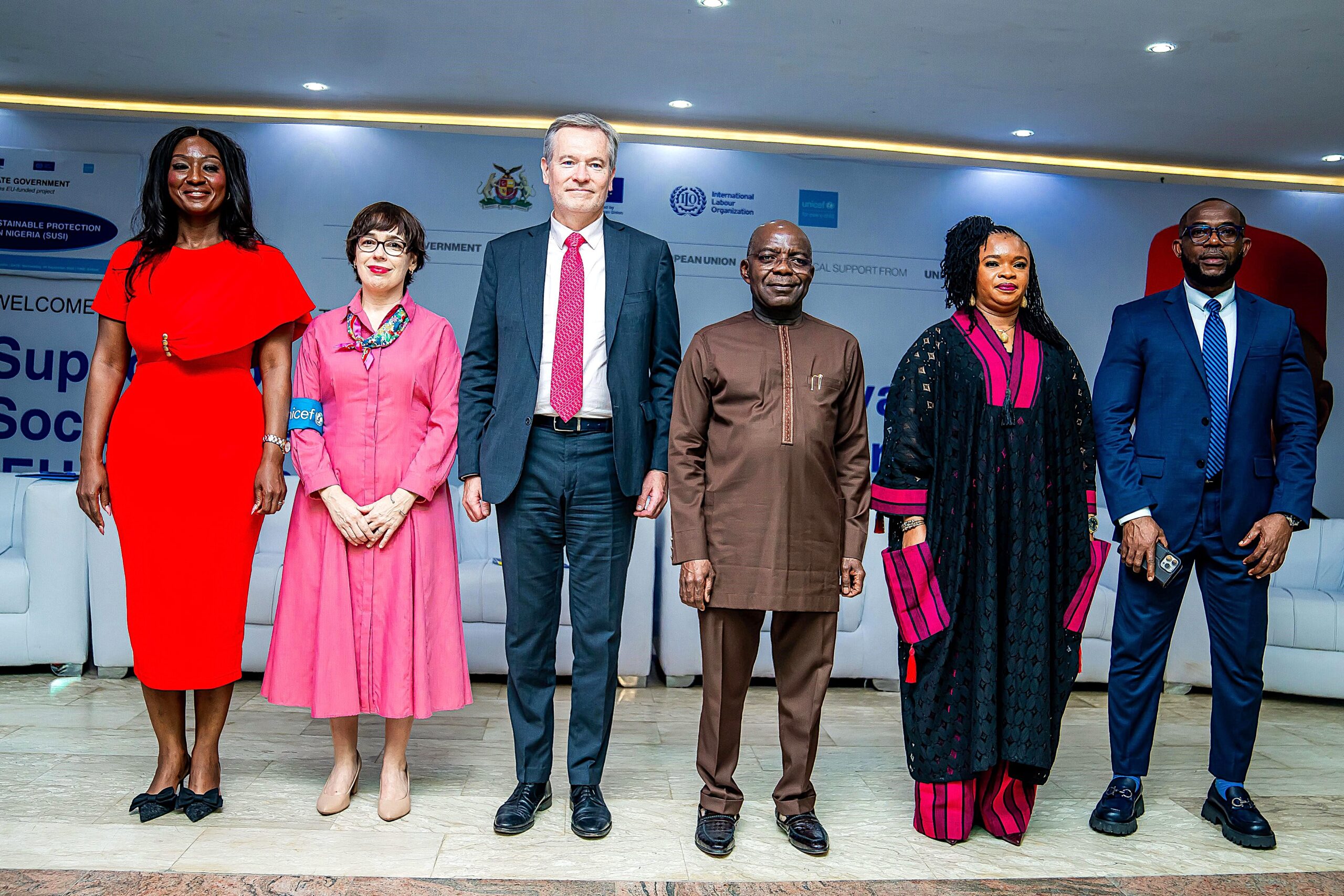
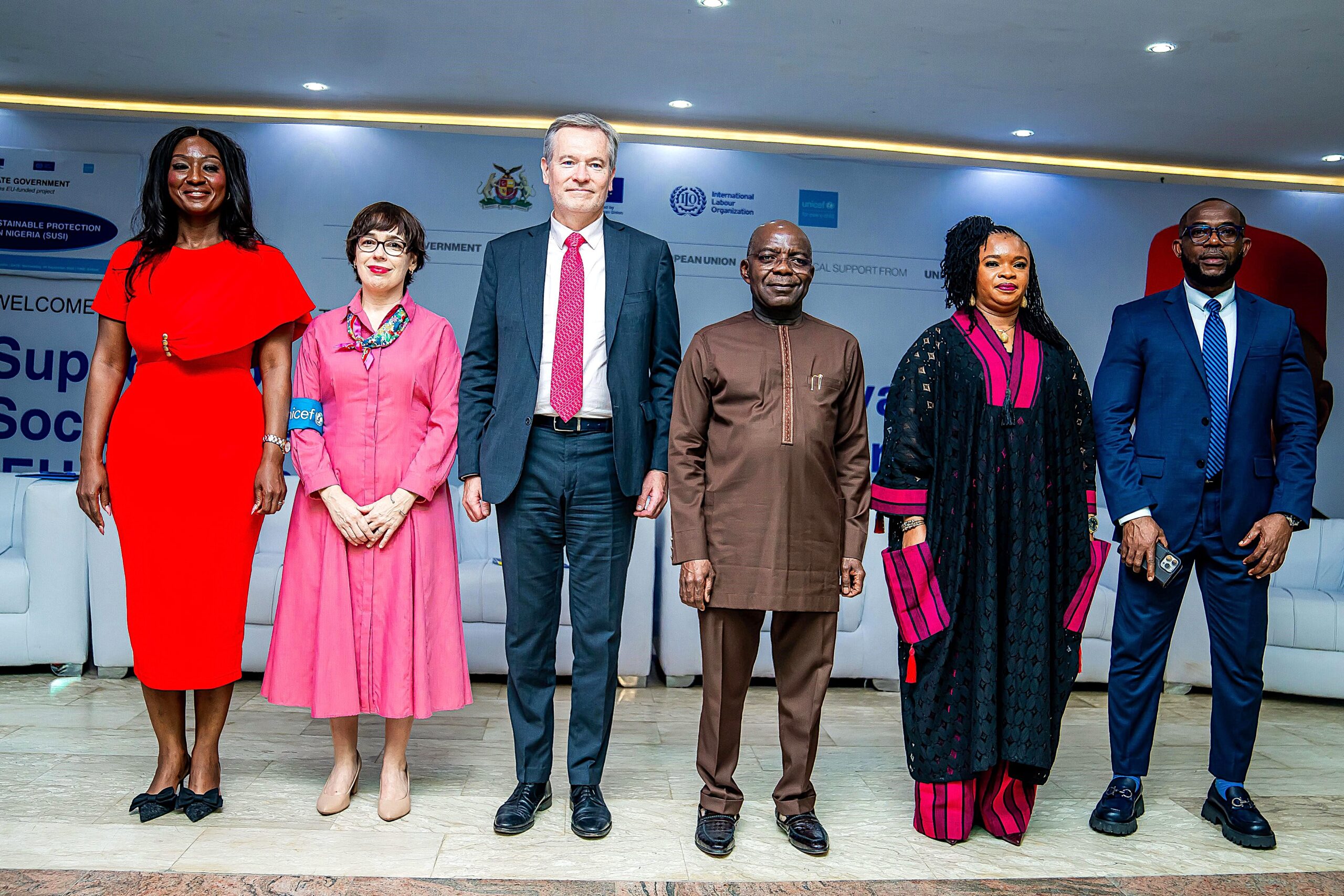
L-R: Vanessa Phala, Director of the ILO Country Office for Nigeria, Ghana, Liberia, and Sierra Leone and Liaison Office for ECOWAS; Judith Leveillee, Chief of Field Services, UNICEF Nigeria; H.E. Gautier Mignot, the EU Ambassador to Nigeria and ECOWAS; His Excellency, Dr. Alex Chioma Otti, Executive Governor of Abia State; Mrs. Ngozi Blessing Felix, Abia State Honourable Commissioner for Poverty Alleviation and Social Protection; and Mr Kingsley Anosike, Honourable Commissioner for Budget and Planning Abia State, at the launch of the European Union (EU)-funded project, Supporting Sustainable Social Protection Systems in Nigeria (SUSI), by Abia State Government in collaboration with UNICEF, the International Labour Organization (ILO), and other partners in Umuahia.


The Government of Abia State has launched the European Union (EU)-funded project, Supporting Sustainable Social Protection Systems in Nigeria (SUSI), in collaboration with UNICEF, the International Labour Organization (ILO), and other partners.
Despite its importance, social protection coverage in Nigeria remains limited. According to the International Labour Organization 2024 World Social Protection report, only 14.8 per cent of Nigerians currently have access to effective social protection.
To close this gap, the project, which is also being implemented in Benue, Oyo, and Sokoto States, is designed to strengthen inclusive, shock-responsive, and sustainable social protection systems.
 It aligns with the Federal Government’s Renewed Hope Agenda and the Eight-Point Agenda, aiming to reduce poverty, protect the most vulnerable, and promote resilient livelihoods.
Speaking at the event, His Excellency Dr. Alex Chioma Otti, Executive Governor of Abia State, reaffirmed the State’s commitment: “I am also glad that the EU, ILO and UNICEF will be partnering with the State Government towards the successful delivery of the SUSI Project. We are encouraged to think of our children and the world we want to bequeath to them. Individually and collectively, we are called to remember that every decision counts, that we do not own anything but are merely custodians who would one day be required to look back, either in regret or fulfilment.”
H.E. Gautier Mignot, the EU Ambassador to Nigeria and ECOWAS, underlined the import of the EU’s support: “Social protection is central to building equitable societies. This partnership demonstrates our continued commitment to improving the lives of Nigerians, particularly in states like Abia, by strengthening systems that can provide support when it is needed most.”
Wafaa Saeed, UNICEF Representative in Nigeria, highlighted the transformative impact of inclusive systems:
“Social protection is not just a safety net, it is a springboard for inclusive development. Through this project, we aim to ensure that every child and family, particularly the most vulnerable, is protected from the shocks that can derail their well-being and opportunities for a better future.”
Vanessa Phala, Director of the ILO Country Office for Nigeria, Ghana, Liberia, and Sierra Leone and Liaison Office for ECOWAS stressed the importance of long-term sustainability: “A well-designed and inclusive social protection system is fundamental to decent work, economic stability, and social cohesion. With this project, we are working together to ensure that social protection becomes a reality for more Nigerians.”
The implementation of the SUSI project will support development of social protection policy, expansion of the social register, capacity building, strengthening the database system and make it interoperable with other related databases, and ensuring that social protection programmes are well budgeted for, at both federal and state levels.
Cholera Vaccination Campaign Kicks Off In Darfur, Aiming To Protect 1.8 Million People

By Winifred Bosa

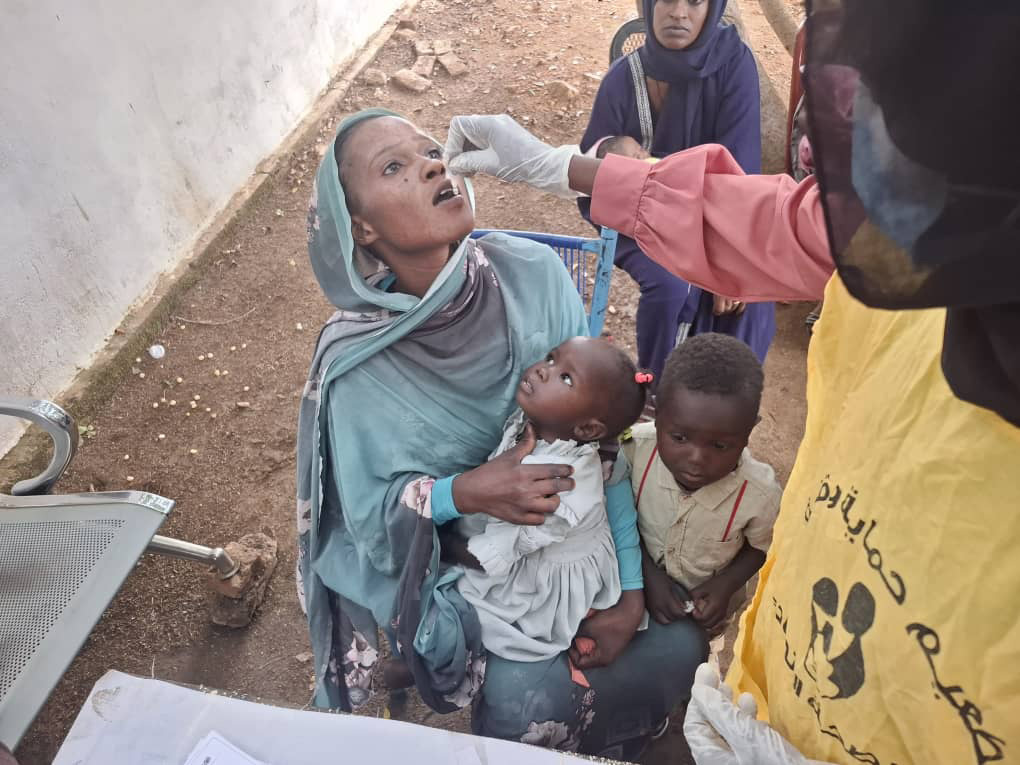
 A cholera vaccination campaign kicked off on 21 September 2025 in Nyala Ganoub, Nyala Shemal and Biliel localities of South Darfur and on 22 September in Abu Jabra and Ad Daein localities, marking the start of a campaign that aims to reach 1.86 million people aged one year and older with oral cholera vaccines in 6 localities of the Darfur states in response to the ongoing cholera outbreak.

According to a press release by WHO , Plans are underway to launch the campaign in Tawila locality of North Darfur before the end of the month.

The campaign comes at a critical time, as cholera cases in Darfur continue to rise at an alarming rate and the ongoing conflict and lack of basic services  make it increasingly difficult to support essential health services and deliver lifesaving medical supplies, including vaccines, nutrition kits and emergency supplies to most localities of the Darfur states, leading to an increased burden of disease, malnutrition and further spread of infectious diseases such as cholera.

“WHO teams in Darfur are working tirelessly with health partners to provide the necessary technical and operational support for a successful implementation of the campaign to protect the vulnerable population in the affected localities from the further spread of cholera,” says World Health Organization (WHO) Representative and Head of Mission in Sudan Dr Shible Sahbani. “The people in Darfur, and the rest of Sudan, must be protected from disease and suffering, and we are here to do exactly that as we have been doing so for decades.”

A total of 1.86 million doses of vaccines were mobilized through cross-border and crossline operations for the vaccination campaign. Extensive efforts were made by WHO, United Nations Children’s Fund (UNICEF) and Sudan’s Ministry of Health to deliver the oral cholera vaccines to the targeted localities in the Darfur States, overcoming numerous access and transport challenges.

Since 29 May 2025, when the first cholera case was reported from South Darfur, the disease has spread to 36 localities across all 5 Darfur states with reports of 12 739 cases and 358 deaths. Since July 2024, close to 113 629 cases and 3029 deaths have been reported across Sudan’s 18 states, making it the longest recorded cholera outbreak in the country’s history.

Cholera, an acute diarrhoeal infection caused by eating or drinking food or water contaminated with the Vibrio cholerae bacterium, is a global threat to public health and a major indicator of inequity and lack of social development. The 2-year conflict in Sudan has led to mass displacement, disrupted basic services and caused a severe lack of access to safe water, hygiene and sanitation (WaSH) services, creating a conducive environment for water-borne diseases such as cholera to spread. The rainy season poses an additional risk with flooding and contamination of water points contributing to the increase in cases.

Vaccines, together with a comprehensive and multisectoral response that includes disease surveillance, detection and timely reporting; rapid access to treatment of cases; improved access to clean water and sanitation and risk communication and community engagement will help interrupt transmission and contain the cholera outbreak.

As part of its coordination and operational support to the campaign, WHO has supported campaign preparations and implementation, including transport of vaccines between localities, capacity-building and deployment of volunteer vaccinators, and supportive supervision and monitoring of the campaign, building on its decades-long presence in the Darfurs.

“In line with its technical mandate, WHO supported the training of trainers and cascaded training sessions down to the level of vaccinators. Our teams will continue to work alongside the vaccination team to ensure the quality of the campaign,” said Dr Sahbani, describing WHO’s support to the campaign.

The campaign, launched by Sudan’s Ministry of Health with WHO and UNICEF, will run for 10 days, targeting 97% of the population in the 6 localities.

Vaccines were provided by the International Cooperating Group on Vaccine Provision (ICG), of which WHO is a member, together with UNICEF, the International Federation of Red Cross and Red Crescent Societies (IFRC) and Médecins Sans Frontières (MSF), with financial support from Gavi, the Vaccine Alliance.

Global Health Warning: Over 1 Billion People Endangered by Uncontrolled Hypertension

By Winifred Bosa

The World Health Organization (WHO) has released its second Global hypertension report, showing that 1.4 billion people lived with hypertension in 2024, yet just over one in five have it under control either through medication or addressing modifiable health risks.

The new report – released at an event co-hosted by WHO, Bloomberg Philanthropies, and Resolve to Save Lives during the 80th United Nations General Assembly – also reveals that only 28% of low-income countries report that all WHO-recommended hypertension medicines are generally available in pharmacies or primary care facilities.

Hypertension is a leading cause of heart attack, stroke, chronic kidney disease, and dementia. It is both preventable and treatable – but without urgent action, millions of people will continue to die prematurely, and countries will face mounting economic losses. From 2011 to 2025, cardiovascular diseases–including hypertension–are projected to cost low- and middle-income countries approximately US$ 3.7 trillion, equivalent to around 2% of their combined GDP.

“Every hour, over 1 000 lives are lost to strokes and heart attacks from high blood pressure, and most of these deaths are preventable,” said Dr. Tedros Adhanom Ghebreyesus, WHO Director-General. “Countries have the tools to change this narrative. With political will, ongoing investment, and reforms to embed hypertension control in health services, we can save millions and ensure universal health coverage for all.”

“Uncontrolled high blood pressure claims more than 10 million lives every year, despite being both preventable and treatable. Countries that integrate hypertension care into universal health coverage and primary care are making real progress, but too many low- and middle-income countries are still left behind,” said Dr Kelly Henning, who leads the Bloomberg Philanthropies Public Health Program. “Strong policies that raise awareness and expand access to treatment are critical to reducing cardiovascular disease and preventable deaths.”

Persistent barriers

Analysis of data from 195 countries and territories shows that 99 of them have national hypertension control rates below 20%. The majority of the affected people live in low- and middle-income countries, where health systems face resource constraints.

The report highlights major gaps in hypertension prevention, diagnosis, treatment, and long-term care. Key barriers include weak health promotion policies (on risk factors such as alcohol, tobacco use, physical inactivity, salt, and trans fats), limited access to validated blood pressure devices, lack of standardized treatment protocols and trained primary care teams, unreliable supply chains and costly medicines, inadequate financial protection for patients, and insufficient information systems to monitor trends.

Access to medicines: a cornerstone of progress

Blood pressure medication is one of the most cost-effective public health tools. Yet only 7 out of 25 (28%) of low-income countries report general availability of all WHO-recommended medicines, compared to 93% of high-income countries. The report explores the barriers and strategies for improving access to hypertension medication through better regulatory systems, pricing and reimbursement, procurement and supply chain management, and improved prescribing and dispensing of these medicines.

“Safe, effective, low-cost medicines to control blood pressure exist, but far too many people can’t get them,” said Dr Tom Frieden, President & CEO, Resolve to Save Lives. “Closing that gap will save lives — and save billions of dollars every year.”

Country-level progress

Despite barriers, progress is possible. Bangladesh, the Philippines, and South Korea have made significant progress by integrating hypertension care into universal health coverage (UHC), investing in primary care, and engaging communities:

Bangladesh increased hypertension control from 15% to 56% in some regions between 2019 and 2025 through embedding hypertension treatment services in its essential health service package and strengthening screening and follow-up care.
The Philippines has effectively incorporated the WHO’s HEARTS technical package into community-level services nationwide.
South Korea has integrated health reforms, including low costs for antihypertensive medications and limiting patient fees, which have resulted in a high rate of blood pressure control nationally: 59% in 2022.

WHO calls on all countries to embed hypertension control in UHC reforms. Implementing the measures recommended in the report could prevent millions of premature deaths and ease the massive social and economic toll of uncontrolled high blood pressure.

WHO Warns of Stalled Progress, Calls for Cheaper Solutions to Address NCDs, Mental Health

WHO Lauds Nigeria, Others for Reducing NCD MortalityThe World Health Organization (WHO) has released a new report titled “Saving lives, spending less”, revealing that an additional investment of just US$3 per person annually in tackling noncommunicable diseases (NCDs) could yield economic benefits of up to US$1 trillion by 2030.
Alongside the report, WHO shared new analysis of country-level progress in reducing NCD mortality between 2010 and 2019.

 While 82% of countries achieved reductions during this period, the rate of progress has slowed significantly across most regions, with some countries even experiencing a resurgence in NCD-related deaths.
NCDs are responsible for the majority of global deaths, while more than one billion people live with mental health conditions.
 Alarmingly, nearly 75% of deaths related to NCDs and mental health conditions occur in low- and middle-income countries, accounting for 32 million lives lost each year.

In just a few days—on 25 September 2025—Heads of State and Government will convene in New York for the Fourth United Nations General Assembly High-Level Meeting (HLM4) on prevention and control of NCDs and the promotion of mental health and well-being.

 The meeting aims to adopt an ambitious Political Declaration to accelerate global action and investment in these critical health and development areas.

“Noncommunicable diseases and mental health conditions are silent killers, robbing us of lives and innovation,” said Dr Tedros Adhanom Ghebreyesus, WHO Director-General. “We have the tools to save lives and reduce suffering. Countries like Denmark, South Korea, and Moldova are leading the way, while others stalling. Investing in the fight against NCDs isn’t just smart economics—it’s an urgent necessity for thriving societies.”

NCDs include cardiovascular diseases (such as heart attacks and strokes), cancers, chronic respiratory diseases (such as chronic obstructive pulmonary disease and asthma), and diabetes, among others.

 Mental health conditions, such as anxiety and depression, are also highly prevalent across all countries and communities, affecting people of all ages and income levels. Without urgent and sustained action to tackle these, millions more lives will be lost prematurely.

Low progress, lives at risk
While the majority of countries made progress in reducing the risk of dying prematurely from an NCD between 2010 and 2019, 60% experienced a slowdown in progress compared to the previous decade.

Denmark recorded the largest improvements for both sexes. Among countries in other regions, NCD mortality also declined for both sexes in China, Egypt, Nigeria, Russia, and Brazil.

The biggest gains were driven by declines in cardiovascular disease and certain cancers—such as stomach and colorectal cancers for both sexes, cervical and breast cancers for women, and lung and prostate cancers for men.

In contrast, pancreatic, liver cancers and neurological conditions contributed to rising mortality in many countries.

Solutions are affordable and cost effective
Solutions to tackle NCDs and promote mental health and well-being are both affordable and highly cost-effective. Yet, governments often face intense lobbying from powerful industries whose products contribute to disease. Tobacco, alcohol, and ultra-processed food companies frequently attempt to block, weaken, or delay life-saving policies—ranging from health taxes to marketing restrictions aimed at protecting children.

“It is unacceptable that commercial interests are profiting from increasing deaths and disease,” said Dr Etienne Krug, Director of WHO’s Department of Health Determinants, Promotion and Prevention. “Governments must put people before profits and ensure evidence-based policy is not derailed by corporate pressure.”

Scaling up implementation of WHO’s ‘Best Buys’, a set of high impact interventions including tobacco and alcohol taxation, protecting children from harmful marketing, managing hypertension, and scaling up cervical cancer screening would cost just an additional US$3 per person per year on average.

The return on investment is substantial: by 2030, full implementation could save 12 million lives, prevent 28 million heart attacks and strokes, add 150 million healthy life years, and generate over US$1 trillion in economic benefits.

Political will to change the future
The upcoming Fourth UN General Assembly High-Level Meeting (HLM4) on NCDs and mental health is the most significant political opportunity of the decade to drive transformative change. With a bold Political Declaration, Heads of State and Government can not only recommit to achieving the 2030 targets but also set the vision for the next decades —charting a new course that will save lives and improve well-being for future generations.

“We know what works. The time to act is now. Governments that act decisively will protect and save lives, cut costs, and unlock growth. Those that delay will pay in lost lives and weaker economies,” Dr Devora Kestel, Director of WHO’s Department for NCDs and Mental Health.

WHO is calling on leaders, partners, and communities to advocate for concrete actions, including:

funding and implementing WHO’s ‘Best Buys’, adapted to national needs;
taxing tobacco, alcohol and sugary drinks;
strengthening primary health care for prevention, early detection and treatment;
protecting children from harmful marketing;
expanding access to essential medicines and technologies;
securing financing through domestic budgets, health taxes and targeted aid;
setting bold targets and track progress with strong accountability;
stopping industry interference in health policy.
HLM4 offers a unique opportunity to adopt an ambitious, action-oriented and achievable Political Declaration on NCDs and mental health—grounded in evidence, anchored in human rights, and aimed at delivering impact through and beyond 2030.

NAFDAC Hosts Major African Regulatory Agencies Meeting In Abuja To Strengthen Medical Product Regulation

By Winifred Bosa

The National Agency for Food and Drug Administration and Control (NAFDAC) hosted a historic gathering of seven African regulatory agencies at the ML3 National Regulatory Agencies (NRAs) Meeting in Abuja, marking a significant milestone in Africa’s efforts to enhance the safety, efficacy, and availability of medicines and vaccines across the continent.

The event was officially opened by NAFDAC Director-General, Prof. Mojisola Adeyeye, who highlighted the journey of African NRAs toward regulatory excellence.

The History of Who We Are and Where We Are Going

The Abuja ML3 NRAs Meeting: The Director-General of NAFDAC, Prof. Mojisola Adeyeye, welcomed Heads of seven other WHO Maturity Level 3 agencies to Abuja on Monday, July 7, 2025. In her Opening Remarks, she went down memory lane on the history of the WHO Regulatory Systems Strengthening program and the Maturity Levels classification of regulatory authorities, and the journey for African National Regulatory Authorities (NRAs), as explained below.

The History and Who We Are: In 2014, the Sixty-Seventh World Health Assembly (WHA) Resolution 67.20 called for the development of the WHO Global Benchmarking Tool (GBT) to assess the maturity and performance of national regulatory systems for medical products. The GBT is a standardized tool used to evaluate regulatory functions, identify gaps, and facilitate improvements in NRAs. It’s a key instrument in the WHO’s efforts to strengthen regulatory systems for medical products globally.

The WHO began benchmarking regulatory systems in 1997, with an initial focus on vaccines. The organization later started unifying and harmonizing the GBT tools for medicines and vaccines in 2013, and a year later, the WHO passed Resolution 67.20. In 2018, Revision 1 of the tool was published to serve as a global standard for the objective assessment of regulatory frameworks and capacities of national regulatory authorities for medicines and vaccines.

Nigeria started the benchmarking in 2018 with over 260 sub-indicators, resulting in over 800 recommendations to satisfy eight regulatory functions of the WHO GBT Tool, namely the overall National Regulatory System (or how strong the regulatory environment is), Registration and Market Authorization, Market Surveillance and Control, Regulatory Inspection, Clinical Trial Oversight, Laboratory Testing, Vigilance, and Licensing Establishments (by Pharmacy Council of Nigeria).

These recommendations were implemented, and in 2022, NAFDAC was recognized as operating at Maturity Level 3, characterized as a stable, well-functioning, and integrated regulatory system for medicines and imported vaccines.

Seven other African NRAs also passed through this WHA-mandated rigorous assessment and were pronounced as ML3 regulatory authorities as follows:
Tanzania Medicines and Medical Devices Authority (TMDA) 2018 (medicines and imported vaccines)
Ghana Food and Drugs Authority (FDA) 2020 (medicines and imported vaccines)
Egyptian Drug Authority (EDA) 2022 (vaccines); 2024 (medicines/imported and local)
South African Health Products Regulatory Authority (SAHPRA) 2022 (imported/local vaccines)
Agence sénégalaise de Réglementation Pharmaceutique of Senegal 2024 (imported/local vaccines)
Medicines Control Authority of Zimbabwe (MCAZ) 2024 (medicines and imported vaccines)
Rwanda Food and Drugs Authority (Rwanda FDA) – 2024 (medicines and imported vaccines)


Where We Are: These agencies signed a Memorandum of Understanding (MoU) in February 2025, to establish a reliance mechanism, formalize their commitment to collaborative regulatory work, shared assessments, data exchange, and alignment with continental goals such as those of the African Medicines Agency (AMA), the African Medicines Regulatory Harmonization (AMRH) programme, Pharmaceutical Manufacturing Plan for Africa (PMPA), Partnership for African Vaccine Manufacturing (PAVM), and the Platform for Harmonized African Health Products Manufacturing (PHAHM).

The signing of the MoU marked a significant milestone, signalling a collective intent to operationalize reliance-based regulatory practices and serve as a model of leadership for other NRAs across the continent.


The MoU outlines shared principles, responsibilities, and a vision for coordinated regulatory activities that contribute to broader African Union (AU) health strategies, including Agenda 2063 (“The Africa We Want”) and the drive toward health sovereignty through local manufacturing and streamlined market access.

To guide and oversee the effective implementation of this reliance mechanism, a Steering Committee composed of the heads of the eight ML3 NRAs was formally inaugurated on 7th July 2025 in Abuja, Nigeria, with the election of the Director-General of MCAZ, Mr. Richard Tendayi Rukwata as the chair of the committee and the Chairman of EDA, Dr. Ali Ghamrawy as the vice chair for the next two years.

The Committee is tasked with providing strategic leadership, addressing policy-level decisions, and ensuring alignment between national and regional regulatory priorities.


It plays a pivotal role in ensuring that the objectives of the MoU and the reliance mechanism are realized through accountability, stakeholder engagement, and sustained political and institutional support.

Representatives of the AMA, AMRH Programme, and the Africa Centres for Disease Control and Prevention (Africa CDC) will serve as non-voting members. Members of support partner organizations may be invited as observers, as decided by the Steering Committee.

The mechanism also has an Operations Team to support the Steering Committee in implementing its activities.
The inaugural meeting of the ML3 Reliance mechanism was also attended by representatives of the AMRH Program under AUDA-NEPAD and the Africa CDC.

The meeting enabled some of the NRAs to share their experiences with reliance on other NRAs in Africa and to highlight the opportunities & challenges observed in the reliance activities.

The role of the ML3 NRAs in implementing the proposed Continental Reliance Framework was discussed, as well as the draft operational plan for the reliance mechanism and the integration of the ML3 reliance program into the planned Regulatory Information Sharing Portal (RISP).

The Role of ML3 NRAs and the regulatory reliance mechanism in quality assurance & expedited regulatory pathways within the African Pooled Procurement Mechanism (APPM), hosted by the Africa CDC, as well as the role of ML3 NRAs in supporting AMA operations, was discussed and agreed upon.


The ML3 Reliance mechanism promises to ensure increased availability and timely access to quality-assured medicines, vaccines, and diagnostics, reducing duplication and regulatory burden in Africa, resulting in cost savings and faster product approvals across participating countries.


The mechanism also established a robust and reliable regulatory network that can serve as a model for other regions, enhancing Africas self-reliance. This will support the African Union’s strategy and bring its Pharmaceutical Manufacturing Plan for Africa to reality.


IHS Nigeria , UNICEF Donated Oxygen Plant Bridges Health Gap In Rivers State

By Winifred Bosa
IHS Nigeria and its implementing partner, the United Nations Child Education Fund (UNICEF) has expressed satisfaction that the Oxygen Plant recently donated to Rivers State is helping to bridge the health Gap in the state and its environs.
This observation was made recently when officials from IHS Nigeria and UNICEF, carried out a project inspection visit to the plant located at the General Hospital in Eleme, Rivers State.
During the handing over of the oxygen plant to the Rivers State Government in 2024, the facility was reported to have a production capacity of 123 oxygen cylinders and 720,000 litres of oxygen every 24 hours.
The plant was built under a Public-Private Partnership involving UNICEF, the Canadian Government, IHS Nigeria, in partnership with the Rivers State Ministry of Health through the State Hospital Management Board.
Speaking during the visit to the facility yesterday, the Director of Sustainability at IHS Nigeria, Titilope Oguntuga, noted that the oxygen plant has saved lives and is helping to bridge health gaps in the eight other states where similar plants are located.
She further explained that the visit reflects the organisation’s commitment “not only to create opportunities for impact but to also continue supporting the healthcare industry by carrying out such interventions that directly impact individuals and saves lives”
“This plant is one of the nine oxygen plants we have built across the federation,” she said. “We are particularly excited that it is helping to bridge health gaps—not just in Rivers State and its environs, but in all the states where the plants are currently located.”
Oguntuga informed that in terms of sustainability “we focus our intervention sustainability on four pillars; ethics and governance, education and economic growth, environment and climate change and finally, people and communities”.
She added that “the visit to the Rivers State oxygen plant is to have an assessment of how well the plant is functioning, the impact it is currently making and to generally understand how the operation is going”.
On his part, Chief of UNICEF Field Office, Port Harcourt, Dr Anslem Audu, stated that the plant has been very functional and useful to the people of Rivers State.
 According to him, “During the COVID-19 pandemic, a lot of patients needed oxygen and oxygen was not available. So many children will come down with pneumonia and it will become an emergency, they will need oxygen, but oxygen is not available in the hospital. But with this plant now available no child will die because of lack of oxygen in the hospital. The era of lack of oxygen is no longer there.
Audu added that “You can practically visit any of the hospitals in Port Harcourt and find out that they have oxygen and the product is from this plant all thanks to IHS Nigeria, the Canadian Government and UNICEF”.
The UNICEF field officer, who confirmed that the plant is functioning optimally, said it is producing enough oxygen for the state’s needs.
In his words, “The partnership between these three organizations and the Ministry of Health in Rivers State has really worked, and we are reaping the benefits of the partnership.
He urged the implementing partners, especially the government, to also invest in the sustainability of the facility by providing a source of electricity for the plant to be more functional.
Earlier, the Medical Director Eleme General Hospital, Dr Leechi-Okere Clarabelle, noted that since the day of the unveiling, the plant has been functioning very well.
Commenting on impact he noted that “We’ve had success stories whereby oxygen is distributed to public hospitals in the state, including the two teaching hospitals in the state and then we have also extended distribution to some private hospitals within the state.
“We have two hubs that serve as storage and distribution points because of the location of the plant. We produce here and store somewhere in Port Harcourt so that people who come from a far distance can get oxygen from these hubs.
NLNG Advances Healthcare Agenda , Delivers Life-Saving Neonatal & ICU Facilities In Asaba

L-R: Dr Sphia Horsfall, GM, External Relations, NLNG, Engr Dagogo Bouwari, NLNG Manager, Nigerian Content; NLNG Chief Medical Officer, Dr Samuel Gara; rep of Minister of state for Health, Dr Jimoh Salaudeen, rep of Asagba Of Asaba, CMD of FMC Asaba, Dr Victor Osiatuma; NLNG Head of Community Liaison, Chief Ifeanyi Umeh and Chairman of Board of FMC, Asaba Dr Mary Idele-Alile as NLNG hands over multi-million Naira renovated and equipped Neo-Natal centre and emergency ward to FMC Asaba, recently.

In a bold push to support the transformation of healthcare delivery in Nigeria, NLNG, on Thursday, unveiled a new Neonatal Ward and a renovated Intensive Care Unit at the Federal Medical Centre (FMC), Asaba, Delta State, marking another milestone in its Hospital Support Programme (HSP).


The upgraded FMC Asaba facility now boasts of world-class treatment areas, including neonatal and ICU suites, recovery rooms, prep zones, automated doors, a dedicated nurses’ station, and a family lounge, all tailored to accelerate emergency response, improve outcomes, and enhance care for Nigeria’s most vulnerable patients – the neo-natals.


Speaking at the commissioning, NLNG’s Managing Director and CEO, Philip Mshelbila, represented by Sophia Horsfall, General Manager, External Relations and Sustainable Development stated that NLNG’s investment in the Federal Medical Centre, Asaba and other hospitals in the country accurately reflected NLNG’s intentions expressed in its vision of being “a globally competitive energy company improving lives sustainably.” Mshelbila emphasised that the HSP was part of NLNG’s broader nation-building agenda.


“We invest in people, not just infrastructure. Through education, health, and capacity-building, we are helping shape a sustainable future. The commissioning at FMC Asaba signals more than the completion of a project, it reflects a clear, steadfast vision: a healthcare system where Nigerian lives are preserved through precision, preparedness, and partnership.


“A single step into these wards in FMC, Asaba, reveals transformation with purpose. This is what it means to turn concern into action and statistics into lives saved. Nigeria contributes 20% of global maternal and child mortality. This must change, and we’re committed to that change,” he said.


Speaking during the ceremony, Minister of State for Health, Dr Iziaq Salako, commended NLNG for its contribution to health and urged other organisations to emulate the company.


The Minister, represented by the Ministry’s Director of Hospital Services, Dr Jimoh Salaudeen described the facility as another milestone in the quest for quality health services in line with the Federal Government’s renewed hope agenda.


In his remarks, Henry Obih, a member of NLNG’s Board of Directors, emphasised that the occasion reflected NLNG’s steadfast commitment to the well-being of the Nigerian people. He noted further that through the NLNG HSP, critical infrastructure has been provided, offering immense benefits to families, newborns, ill infants, and to healthcare workers dedicated to delivering quality service.


Receiving the facilities, the Chief Medical Director of FMC Asaba, Dr Victor Osiatuma thanked NLNG for selecting FMC Asaba as one of the benefitting institutions, through a transparent process devoid of lobbying.


The Hospital Support Programme (HSP) was NLNG’s strategic intervention in response to the urgent need for improved medical infrastructure during the COVID-19 crisis. Approved by the NLNG Board in July 2021, the initiative set out to strengthen Nigeria’s healthcare system, starting with 12 federal university teaching hospitals across all six geopolitical zones and the FCT.


Nine health institutions in Nigeria have already achieved transformative upgrades in obstetrics, neonatal ICUs, occupational therapy, and neuromodulation rehabilitation through HSP.


NLNG continues to lead in the private sector’s contribution to nation-building, investing not only in energy but in education, healthcare, and infrastructure, because progress must be holistic to be sustainable.


The attention of the National Agency for Food and Drug Administration and Control (NAFDAC) has been drawn to a misleading information as contained in videos that are trending on the social media of the incitement of traders of Onitsha Bridge Head Market by one social media influencer. The National Agency for Food and Drug Administration and Control (NAFDAC) therefore, wishes to alert the public and security agencies on the incitement, which may constitute a breach of the Cybercrime Act.

The public will recall the recent enforcement operation in three Open Drug Markets (Idumota, Aba and Onitsha) in the country where banned, expired, falsified, substandard narcotic medicines worth more than a trillion Naira were removed and subsequently destroyed. Between 9th February and 27th March 2025, NAFDAC conducted a raid operation to remove unregistered, expired, banned, diverted donation drugs, substandard, falsified, and illicit narcotics and controlled substances from the three major Open Drug Markets (ODM) in the country. All the warehouses, shops and parking stores in the three Open Drug Markets did not meet the minimum requirements of Good Storage and Distribution Practices. More importantly, there was no proof of registration of these Open Drug Market premises by the Pharmacy Council of Nigeria (PCN) a clear contravention/violation of the pertinent extant law of the federation.

NAFDAC as a regulatory agency created by an Act of the Federal Government has the mandate to, among other things, regulate and control the importation, exportation, manufacture, advertisement, distribution, sale and use of food, drugs, cosmetics, medical devices, packaged water and chemicals (referred to as NAFDAC Regulatory Products).

As part of the mandate, NAFDAC routinely carries out inspection of production, distribution and sales outlets of regulated products, and post approval surveillance of regulated products to ensure conformity with standards of approvals. The Agency on a routine basis also visits sales and distribution outlets to address intelligence, petitions and complaints received on issues that have to do with its mandate.

The Counterfeit and Fake Drugs and Unwholesome Processed Foods ACT C34 prohibits the sales of drugs in certain places or premises, which includes any market, kiosk, motor park, road-side stall or in any bus, ferry or any other means of transportation.

Due to the intervention of the respective state governments, the traders were given a moratorium to relocate to a conducive Coordinated Warehouse Centre where their activities will be well monitored and controlled while being held accountable for previous infractions to serve as a deterrence in accordance with gazetted regulations.

The market was reopened on the 9th of March 2025 and over 2500 traders with 3500 shops who have come forward for necessary regulatory procedure have resumed their normal activity in Ogbogwu market.

It is pertinent to note that the remaining few shops whose owners have refused to come forward for identification are the ones with outrightly banned narcotics according to our database. The cartel, along with their co-conspirators, are the ones creating incitements to divert attention from the real issues to escape the long arm of the law for the heinous crimes being committed against humanity.

All law-abiding citizens are enjoined to go about their legitimate businesses while the merchants of death who are responsible fuelling insecurity and peddling of fake medicines in Nigeria will be fished out and dealt with in accordance with the law.

In the meantime, what this perpetrator has done is that he has openly told his audience to defy the regulatory processes of NAFDAC following the enforcement operation carried out under the Office of the National Security Adviser. The Agency will allow the law enforcement agencies determine whether he is in violation of any laws, particularly with regards to the making of videos that may be considered inciteful.

NAFDAC will continue to ensure that all medical products medicines, vaccines, medical devices and others being used in Nigeria are of good quality, safe, and efficacious. We will continue to provide assurances that these commodities are well monitored to avoid the deaths of pregnant women, children, and to improve the quality of life and life expectancy of the citizenry, while reducing the incidence of untimely deaths of adults living with chronic diseases such as hypertension, diabetes. NAFDAC is working within the purview of her mandate.


Prof Mojisola Adeyeye

DG NAFDAC