CBN Advert
SNEPCo wins SERAS Awards For Health/Wellbeing As Vision First Initiative Reaches Thousands

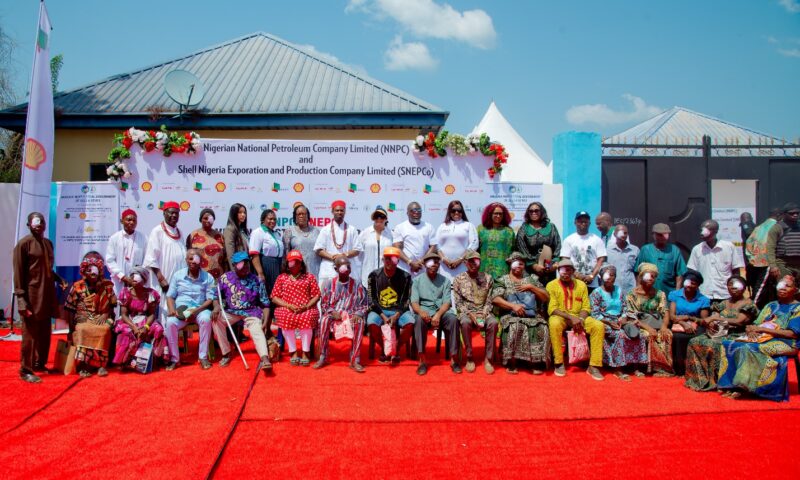
A cross section of some of the beneficiaries and dignitaries during the Vision First initiative flag off in Aniocha North Local Government, Asaba, Delta State.
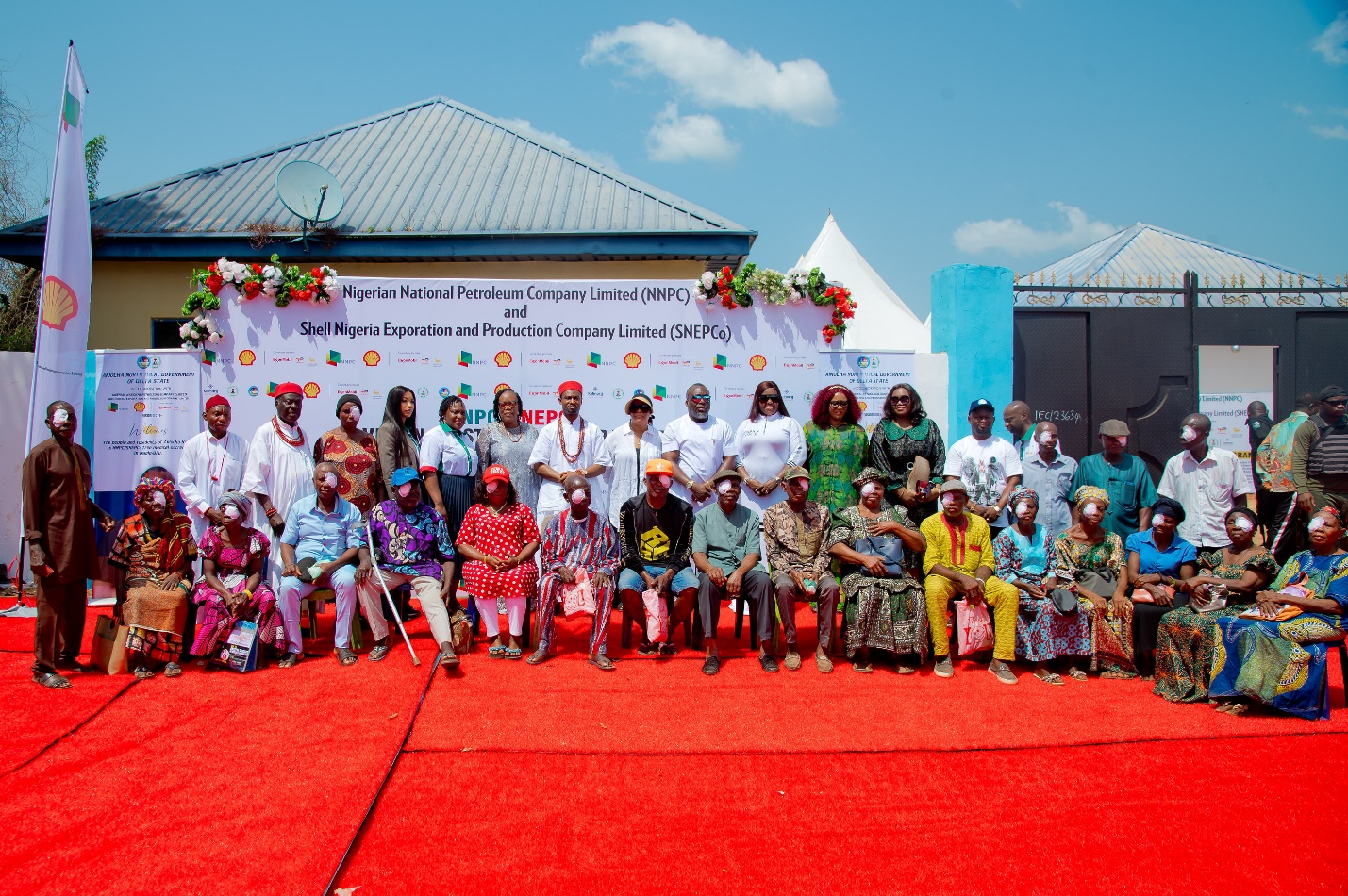
A cross-section of beneficiaries during the initiative.
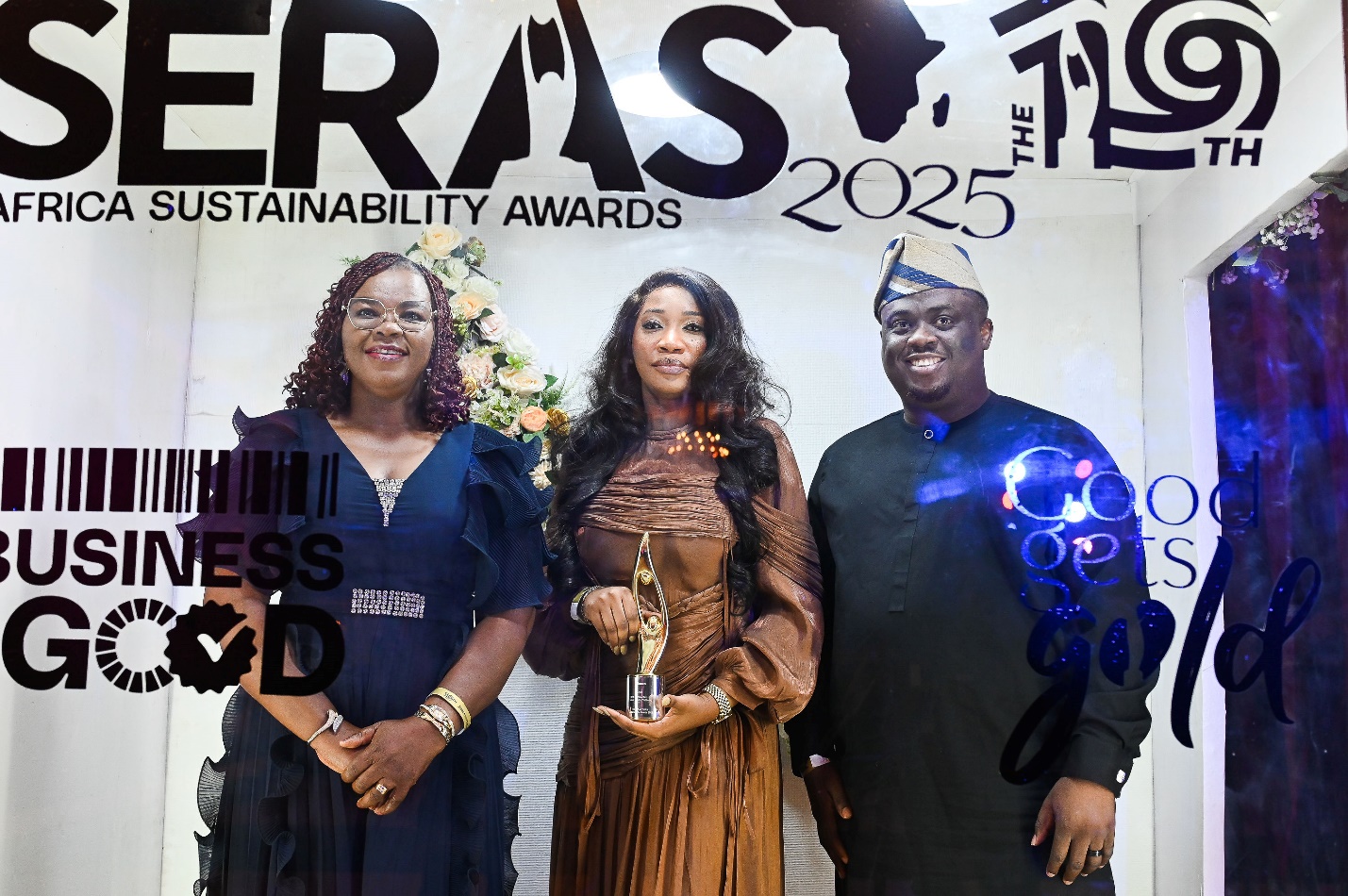
L-R: Social Investment Advisor, Shell Nigeria Exploration and Production Company Limited (SNEPCo), Lawretta Ehebha; SNEPCo’s Policy & Advocacy, Senior Advisor, Elohor Abu and SNEPCo’s Social Investment Advisor, Ayobami Ikuemonisan during the 19TH SERAS award ceremony in Lagos,

Shell Nigeria Exploration and Production Company Ltd (SNEPCo) last week won an award for “Promotion of Good health/Wellbeing” at The SERAS Africa Sustainability Awards 2025 in Lagos at the weekend.


The recognition came as the latest outreach of the Nigerian National Petroleum Company Limited (NNPC)/SNEPCo Vision First initiative held in Asaba, Delta State November 17 – 22, reaching a total of 6,538 individuals since the inception of the programme in 2022.


The SERAs Africa Sustainability Awards, which began in 2007, recognise achievements of individuals and organisations in corporate social responsibility. SNEPCo was honoured for investments in health, one of many high-impact projects the pioneer deep-water company has implemented since it commenced production at the Bonga field in 2005.   


Founder of the SERAS Awards Ken Egbas said at the award ceremony: “Tonight, we celebrate the organisations that are not only doing well but doing good,” commending the support which has made the event “the gold standard for sustainability recognition in Africa.”


“We are pleased at the recognition of our modest efforts to make life more meaningful for the people” commented SNEPCo Managing Director Ronald Adams. “The award is also a tribute for the support of NNPC Upstream Investment Services (NUIMS) and our co-venture partners—Nigerian Agip Exploration Limited, TotalEnergies Nigeria, and Esso Exploration and Production Nigeria (Deepwater) Limited.”


The Vision First initiative is the flagship of SNEPCo’s broader Health-in-Motion programme, and the outreach in Asaba was the 5th, and first outside Lagos.


Of the 1,927 who registered, more than 1,300 received consultation for ailments such as hypertension, diabetes and malaria, while 174 were operated for cataract and pterygium with nearly 1,500 given eyeglasses and eye drops. The programme was delivered in collaboration with the Delta State Ministry of Health, Aniocha North Local Government Council and a Jos-based NGO, Kolmarg Eyesight Foundation.


SNEPCo Managing Director, represented by Senior Asset Manager, Bolanle Odunayo-Ojo, said: “Through free eye screenings, treatments, and surgeries, we are working to restore sight, renew hope, and reaffirm our commitment to the health and dignity of every individual.”


In a goodwill message delivered by Gloria Mok, State Coordinator, Emergency Ambulance Service (DELSEAS) & Focal Person, Eye Health Programme, Ministry of Health, the Commissioner of Health, Dr. Joseph Onojae said: “We are grateful to NNPC/SNEPCo for sponsoring this programme and adding Delta State in their corporate social responsibility agenda.”


Prof Olukorede Adenuga, Executive Director, Kolmarg Eyesight Foundation noted: “Investing in eyecare and carrying out blindness prevention programs have been shown to have the highest returns compared with investments in other area of healthcare; therefore, the Vision First program is a laudable initiative.”


Among other milestones recorded by the programme since 2022, nearly 5,000 prescription glasses have been dispensed at no cost with 4,869 people receiving essential medications, and 667 people undergoing vision-restoring procedures including cataract removals to other corrective surgeries.

Nigeria’s “Era Of Renewed Stability” And The Truths The CBN Chooses To Overlook

BY BLAISE UDUNZE


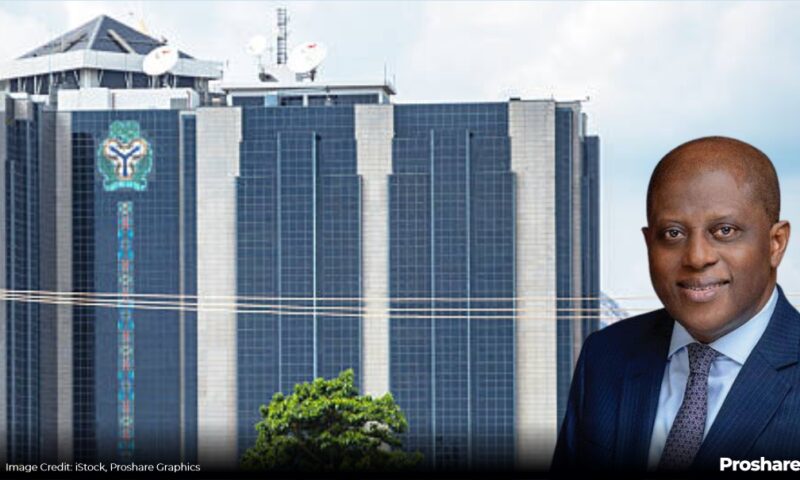
At the Annual Bankers’ Dinner, when the Governor of the Central Bank of Nigeria, Yemi Cardoso, recently stated that Nigeria had “turned a decisive corner,” his remark aimed to convey assurance that inflation was decelerating with headline inflation eased to 16.05percent and food inflation retreating to 13.12 percent, the exchange rate was stabilizing, and foreign reserves ($46.7 billion) had climbed to a seven-year peak. However, beneath this announcement, a grimmer and conflicting economic situation challenges households, businesses, and investors daily.

Stability is not announced; it is felt. For millions of Nigerians, however, what they are facing instead are increasing difficulties, declining abilities, diminished buying power, and susceptibilities that dispute any assertion of a steady macroeconomic path.

The 303rd MPC gathering was the most significant in recent times, revealing policies and statements that prompt more questions than clarifications. It highlighted an economy striving to appear stable, in theory, while the actual sector struggles to breathe.

This narrative explores why Cardoso’s assertion of “restored stability” is based on a delicate and partial foundation, and why Nigeria continues to be distant from attaining economic robustness.


Manufacturing: The Core of Genuine Stability Remains Struggling to Survive


A strong economy is characterized by growth in production, increased investment, and competitive industries. Nigeria lacks all of these elements.

The Manufacturers Association of Nigeria (MAN) expressed this clearly in its response to the MPC’s choice to keep the Monetary Policy Rate at 27 percent. MAN stated that elevated interest rates are now” hindering production, deterring investment, and weakening competitiveness.

Producers are presently taking loans at rates between 30-37 percent, an environment that renders growth unfeasible and survival challenging. MAN’s Director-General, Segun Ajayi-Kadir, emphasized that although stable exchange rates matter, no genuine industry can endure borrowing expenses to those charged by loan sharks.

The CBN’s choice to maintain elevated interest rates is based on drawing foreign portfolio investors (FPIs) to support the naira’s stability. However, FPIs are well-known for being short-term, speculative, and reactive to disturbances. They do not signify long-term stability. Do they represent genuine economic development?

Genuine stability demands assurance, in manufacturing beyond financial tightening. Manufacturers are expressing, clearly and persistently, that no progress has been made.


Oil Output and Revenue: The Engine Behind Nigeria’s Stability Is Misfiring


Nigeria’s oil sector, which is the backbone of its fiscal stability, is underperforming. The 2025 budget presumed:

·       $75 per barrel oil price

·       2.06 million barrels per day production

Both objectives have fallen apart. Brent crude lingers near $62.56 under the benchmark. Contrary to the usual explanations, experts attribute the decline not mainly to external shocks but to poor reservoir management, outdated models, weak oversight, and delayed technical decisions.

Engineer Charles Deigh, a regarded expert in reservoir engineering, clearly expressed that Nigeria is experiencing production losses due to inadequate well monitoring, obsolete reservoir models, and technical choices lacking fundamental engineering precision.  These shortcomings result directly in decreased revenue. By September 2025:

–       Nigeria had accumulated N62.15 trillion from oil revenue

–       instead of the N84.67 trillion budgeted.

–       In September, the Federal Inland Revenue Service reported a startling 49.60 percent deficit in revenue from oil taxes.

A nation falling short of its main revenue goals by 50 percent cannot assert stability. Instead, it will take loans. Nigeria has taken loans.


A Stability Built on Debt, Not Productivity


Nigeria is now Africa’s largest borrower, and the world’s third-biggest borrower from the World Bank’s IDA, with $18.5 billion in commitments. By mid-2025, the total public debt amounts to N152.4 trillion, marking a 348.6 percent rise since 2023.

From July to October 2025, the government secured contracts for: $24.79 billion, €4 billion, ¥15 billion, N757 billion, and $500 million Sukuk loans. Nevertheless, in spite of these acquisitions, infrastructure continues to be manufacturing remains limited, and social welfare is still insufficient.

Uche Uwaleke, a finance and capital markets professor, cautions that Nigeria’s debt service ratio is “detrimental to growth.” Currently, the government spends one out of every four naira it earns on servicing debts. Taking on debt is not harmful in itself, provided it finances projects that pay for themselves. In Nigeria, it supports subsistence.  A country funding today, through the labour of the future, cannot assert restored stability.


The Naira: A Currency Supported by Fragile Pillars


The CBN contends that elevated interest rates and enhanced market confidence have contributed to the naira’s stabilisation. However, this steadiness is based on grounds that cannot endure even the slightest global disturbance. The pillars of a stable currency are:

–       Rising domestic production

–       Expanding exports

–       Reliable energy supply

–       Strong security

–       A thriving manufacturing base

None of these is Nigeria’s current reality. What Nigeria actually receives is capital from portfolio investors, and past events (2014, 2018, 2020, 2022) have demonstrated how rapidly these funds disappear.


Unemployment: “Stable” Figures Mask a Rising Youth Crisis


The CBN touts a reported unemployment rate of 4.3 percent. However, the International Labour Organisation (ILO), along with economists, cautions that the approach conceals more serious issues in the labour market.

Youth joblessness has increased to 6.5 percent, and the Nigerian Economic Summit Group cautions that Nigeria needs to generate 27 million formal employment opportunities by 2030 or else confront a disastrous labour crisis. The employment crisis is a ticking time bomb. A country cannot maintain stability when its youth are inactive, disheartened, and financially marginalized.


FDI Continues to Lag Despite CBN’s Positive Outlook


During the 2025 Nigerian Economic Summit, NESG Chairman, Niyi Yusuf stated that Nigeria’s efforts to attract direct investment (FDI) continue to be sluggish despite the implementation of reforms. FDI genuinely reflects investor trust, not portfolio inflows. FDI signifies enduring dedication, manufacturing plants, employment, and generating value. Nigeria does not have any of this as of now. An economy unable to draw long-term investments lacks stability.


139 Million Nigerians in Poverty: What Stability?


The recent development report from the World Bank estimates that 139 million Nigerians are living in poverty, and more than half of the population faces daily struggles. This is not stability. It is a humanitarian and economic crisis.

Food inflation continues to stay structurally high. The cost of a food basket has risen five times since 2019. Low-income families currently allocate much, as 70 percent of their earnings to food. A government cannot claim stability when its citizens go hungry.


A Fragile, Failing Power Sector


The power sector, another cornerstone of economic stability, is failing. Over 90 million Nigerians are without access to electricity, which is one of the highest figures globally. Even homes linked to the grid get 6.6 hours of electricity daily. Companies allocate funds to generators rather than to technology, innovation, or growth. Nigeria has now emerged as the biggest importer of solar panels in Africa, not due to environmental goals but because the national power grid is unreliable.

A country cannot achieve stability if it is unable to supply electricity to its residences, industrial plants, or medical centers.


Insecurity: The Silent Pillar Undermining All Economic Policy


Banditry, terrorism, abduction, and militant attacks persist in agriculture, manufacturing, logistics, and investment. Nigeria forfeits $15 billion each year due to insecurity and resources that might have fueled industrial development.

Food price increases are mainly caused by instability, and farmers are unable to cultivate, gather, or deliver their products. Nevertheless, the MPC approaches inflation predominantly as an issue of policy. In a country where insecurity fundamentally hinders the economy tightening policy cannot ensure stability.


Inflation Figures Under Suspicion


Questions have also emerged regarding the reliability of inflation data. Dr. Tilewa Adebajo, an economist, affirmed that the CBN might not entirely rely on the NBS inflation figures, highlighting increasing apprehension. A sharp decrease to 16 percent inflation clashes with market conditions.

Families are facing the food costs in two decades. Costs, for transport, housing rent, education fees, and necessary items keep increasing. Food prices cannot decline when farmers are abandoning their farmlands and fleeing for safety. If inflation figures are manipulated or partial, the stability story based on them becomes deceptive. There is, quite frankly, a significant disconnect between governance and the lived experience of ordinary Nigerians.


Foreign Reserves: A Story of Headlines vs Reality


Even Nigeria’s celebrated foreign reserves require scrutiny. The CBN reported $46.7 billion in reserves. However, a closer examination shows:

–       Net usable reserves are only $23.11 billion

–       The remainder is connected to commitments, swaps, and debts

Gross reserves make the news. Net reserves protect the currency. The difference is too large to assert that the naira is stable.


Nigeria’s Economic Contradiction: Stability at the Top, Volatility at the Bottom


In reality, Nigeria is caught between official proclamations of stability and lived experiences of volatility. The disparity between the CBN’s account and the actual experiences of Nigerians highlights a reality:

–       Macroeconomic changes have failed to convert into improvements in human well-being.

–       Nigeria might appear stable officially. Its citizens are experiencing instability in truth.

–       Taking on debt is increasing

–       Poverty is worsening

–       Manufacturing is contracting

–       Jobs are scarce

–       Authority is breaking down

–       Feelings of insecurity are growing stronger

–       Inflation is undermining dignity

–       Companies are struggling to breathe

–       Capital is escaping

–       Misery, among humans, is expanding

A strong economy is one where advancement is experienced, not announced.


What Genuine Stability Demands


To move from paper stability to real stability, Nigeria must:

1. Support domestic production.  Cut interest rates for manufacturers, reduce borrowing costs, and provide targeted credit.

2. Fix oil production technically. Revamp reservoir engineering, implement surveillance. Allocate resources to adequate technical oversight.

3. Prioritize security. Secure farmlands, highways, and industrial corridors.

4. Reform the power sector. Invest in grid reliability, renewable integration, and private-sector-led transmission.

5. Attract real FDI. Streamline rules, enhance the framework, and maintain consistent policy guidance.

6. Anchor debt on productive projects. Take loans exclusively for infrastructure projects that produce income.

7. Prioritize reforms in welfare. Adopt crisis-responsive, domestically funded safety nets.

8. Improve transparency. Ensure inflation, employment, and reserve data reflect reality.


Stability Is Not Given; It Has to Be Achieved


The CBN Governor’s statement of “renewed stability” is hopeful. It remains unproven. The inconsistencies are glaring, the statistics too. The real-world experiences are too harsh. Nigerians require outcomes, not slogans. Stability is gauged not through statements on policy but by whether:

–       Manufacturing plants are creating (factories operate at full capacity),

–       Food is affordable,

–       Young people have jobs

–       The naira is strong without artificial props,

–       Electricity is reliable,

–       Security is assured,

–       Poverty rates are decreasing.

Unless these conditions are met, Nigeria is not experiencing a period of restored stability. Instead, it is going through a phase of recovery, one that will collapse if the actual economy keeps worsening while decision-makers prematurely applaud their successes. The CBN must rethink its approach. Nigeria needs productive stability, not statistical stability.


Blaise, a journalist and PR professional, writes from Lagos, can be reached via: blaise.udunze@gmail.com

NDIC, NIESV Strengthen Partnership On Failed Bank Asset Valuation

NDIC, NIESV strengthen partnership on failed Bank asset valuation -  Champion Newspapers LTD

Amaka Obiefuna


The MD/CE of the NDIC, Mr. Thompson Oludare Sunday, has called on the Nigerian Institution of Estate Surveyors & Valuers (NIESV) to strengthen strategic collaboration with the Corporation as the NDIC relies on NIESV members for accurate and credible valuation of assets of failed banks, which is critical for effective liquidation and payment of depositors.


The MD/CE made the call during a courtesy visit by the President/Chairman of Council of the NIESV, Dr. ESV. Victor Adekunle Alonge, and members of his executive team to the NDIC Head Office, Abuja. The NDIC Chief Executive explained that the Corporation relies on precise and credible valuation reports during the liquidation of failed banks to determine the true worth of assets, which enables their sale at the best possible value.


Mr. Sunday further noted that proceeds from the sale of these assets are applied toward the payment of depositors’ balances above the insured amount, making accuracy and professionalism in valuation essential to protecting depositor funds. He emphasized that NIESV’s professionalism therefore contributes directly to financial stability and depositor protection by ensuring transparency, fairness, and value-for-money in the disposal of assets and the recovery process.


While calling on the leadership of the Institution to uphold the highest ethical standards and guard against insider abuse, the NDIC Chief Executive added that the Corporation is further strengthening its internal processes, including the development of a comprehensive Asset Management Policy to guide asset identification and documentation, valuation procedures, disposal strategies and transparency and accountability in recoveries.


The NDIC Chief Executive emphasized the need for stronger collaboration between both institutions, noting that the Corporation welcomes opportunities for joint training and knowledge exchange between NDIC staff and NIESV professionals, particularly in emerging valuation methodologies, asset management, and sustainable valuation practices.


President/Chairman of Council of the NIESV, Dr. ESV. Victor Adekunle Alonge reaffirmed the Institution’s commitment to professionalism and integrity. He explained that NIESV was established by an Act of Parliament and maintains strict disciplinary procedures to sanction any member found to be unethical or unprofessional. He reaffirmed the Institution’s commitment to sustained cooperation and technical support to the NDIC, noting that the partnership remains vital to enhancing service delivery and strengthening public confidence in the banking system.


The courtesy visit underscored the shared commitment of both institutions to deepen collaboration, enhance professional standards, and strengthen the bank liquidation process in Nigeria for the overall stability of the financial system.


Media Group Honours Otunba Olufemi Orioye for Promoting Media Profession 

The Management of Transquest Media Group is set to honour a media practitioner and a community leader, Otunba Olufemi Orioye, in recognition of his tremendous contributions to the development of the media profession and his community.
The event scheduled to take place at the Airport Hotel, Ikeja, Lagos, on the 6th of December, 2025, is part of activities marking the 20th anniversary of the organization.
A statement by the Managing Director and the Chairman, Organising Committee, Mr Felix 0.Kumuyi and the Board Chairman, Chief Olufemi Ogunsusi said the decision to celebrate Otunba Orioye who is  the Convener, Campaign Against Drug Abuse and Cultism, a Non-Governmental Organization, NGO, is borne out of his sterling performance, professional conduct and steadfast Media Practitioner with years of dedication and commitment to his media practice, which is highly exhilarated.
The statement further stated that Otunba Orioye, who is a staff of Ogun State Broadcasting Corporation (OGBC) Abeokuta, through hard work and dedication, had won many laurels including the Merit Award For Outstanding Media Practise
“Most importantly, we take cognizance of his landmark achievement at various media leadership levels, where he performed creditably to the admiration of all in taking the association to greater heights.
‎The statement added that other activities for the 20th anniversary include a one-day transport seminar/Quest Awardees’event with the theme, “Attaining Africa’s Trade/Maritime Hub:Leveraging Nigeria’s Maritime Potentials to Drive Economic Growth”.
‎”The One Day Transport Seminar/Quest Awardees” event will be chaired by Professor Bamidele Badejo with Professor lyiola Oni of Geography Department, University of Lagos,UNILAG, as a Guest Speaker
‎According to Mr Kumuyi and Chief Ogunsusi, the event is uniquely packaged with Symposium/Lecture while the main segment of the event is the group discussion to be carried out by seasoned speakers and agencies’ CEOs with full audience participation aimed at growing the maritime industry.
Cadbury Nigeria Appoints Folake Ogundipe As Interim Managing Director 

Cadbury Nigeria Plc, a subsidiary of Mondelez International, Thursday announced the appointment of Mrs. Folake Ogundipe, the current Finance Director, as interim Managing Director.
In a statement by Dr. Frederick Mordi, the Company’s Head of Corporate Communications and Government Affairs, it was as a result of Mrs. Oyeyimika Adeboye’s retirement as Managing Director, effective 30th November 2025, when she attains the Company’s retirement age. The announcement is contained in a statement issued by the Company.
According to the statement, Mrs. Adeboye joined the Board of the Company in November 2008, as Finance and Strategy Director, West Africa. She was appointed Managing Director on 1st April 2019, becoming the first woman to be appointed to that role since the establishment of Cadbury Nigeria in 1965.
During her tenure, she steered the West Africa business through various phases of growth, transformation and macro-economic volatilities. Her contributions have been instrumental in achieving substantial growth, positioning the Company for continued, sustainable and profitable expansion.
She is known for her servant leadership, being a people-first leader who reliably delivers results for consumers and customers. Her passion for people has been evident in her focus on talent development, mentorship, overall engagement and strengthening capability of talent across the West Africa business.
“Serving as the Managing Director of Cadbury Nigeria Plc has been an incredible privilege and a crowning chapter of my career,” said Mrs. Adeboye. “Over the past six years, I have had the honour of leading a remarkable team and contributing to the growth of a company that holds a special place in the hearts of many.”
Pending the formal announcement of Mrs. Adeboye’s successor, Mrs. Ogundipe will manage the day-to-day operations of the Company in her capacity as Interim Managing Director. She joined the Company in September 2025, subsequently being appointed to the Board as Finance Director. She is recognised as a distinguished executive leader with extensive multi-decade experience in driving business transformation, delivering sustained shareholder value, and fostering high-performance cultures within the consumer goods sector.
Prior to joining Cadbury Nigeria, Mrs Ogundipe held senior leadership positions across diverse sectors, including Executive Director, Finance at Unilever Nigeria Plc, CFO for PES Group (Energy Services Company), and Financial Controller at Nigerdock Nigeria Ltd. Her sector experience spans FMCG, energy services, and management consulting, giving her a broad and strategic perspective on value creation across industries.
Leadway Assurance, AGRA, NADF, And Verdure Climate Advance Agricultural Insurance Solutions

Leadway Assurance Partners AGRA on 'Pay at Harvest' Crop Insurance Scheme |  Business Journal

Leadway Assurance, one of Nigeria’s leading insurance providers, has once again reinforced its industry leadership, following partnership with Alliance for a Green Revolution in Africa (AGRA), the National Agricultural Development Fund (NADF), and Verdure Climate, to lead a national dialogue on identifying challenges and proffering actionable solutions on agricultural and climate risks in Nigeria.


Held on Thursday, November 27, 2025, in Abuja, the high-level forum, themed “Accelerating Agricultural Lending to Market Actors and Smallholder Farmers Using Index-Based Agric Insurance & Blended Finance Solutions,” convened policymakers, financial institutions, agribusiness leaders, development experts, and critical value-chain actors to examine scalable models capable of strengthening Nigeria’s agricultural resilience.


Recent data shows that over 82% of Nigerian farmers remain uninsured (Phys.org, 2024), while projections warn that climate-induced disruptions could cut Nigeria’s agricultural productivity by 10–25% by 2080, with some rain-dependent regions facing losses of up to 50% (IOSR Journal, 2024; ScienceDirect, 2025). Against this backdrop, the dialogue provided a timely platform for advancing integrated solutions that combine insurance, credit, and climate-risk financing.


Speaking at the event, Ayoola Fatona, Global Head, Agriculture Risk Solutions, Leadway Assurance, reaffirmed the organisation’s long-term commitment to financial inclusion and agricultural transformation. “We are in a mission to make insurance a catalyst for productivity by ensuring farmers can access credit, adopt climate-keen practices, and recover quickly from weather-related shocks. Collaborating with AGRA, NADF, and Verdure Climate allows us to co-create solutions that strengthen the entire value chain and secure the future of our food systems.”


In his opening address, Mr. Fatona Ayoola, Global Head, Agriculture Risk Solutions, Leadway Assurance, underscored the urgency of building systems that empower farmers and de-risk financiers. He noted that “the dialogue forms part of our AGRA-supported initiative to build farmers’ resilience through innovative insurance models and financial instruments across Niger, Kaduna, and Nasarawa States. As climate risks intensify, our responsibility extends beyond underwriting; we must become enablers of productivity, inclusion, and long-term stability. Index-based insurance, when integrated with blended finance structures, creates the transparency, speed, and scalability needed to unlock credit for market actors and smallholder farmers alike.”


He added that the collaboration among government, insurers, financiers, and development partners is essential to translating innovation into real impact for farmers, the maize grower in Nasarawa, the rice producer in Niger, and the aggregators supporting thousands across Kaduna.


Leadway Assurance has consistently invested in strengthening Nigeria’s agricultural insurance framework through initiatives such as index-based crop insurance, public-private partnerships with state governments, and capacity-building programmes for rural farming communities. Between 2024 and 2025, Leadway has supported interventions that expanded coverage for thousands of smallholder farmers across multiple states, contributing to improved financial stability and agribusiness continuity.


About Leadway Assurance

Leadway Assurance is one of Nigeria’s foremost non-banking financial services groups, offering diversified solutions across insurance, pensions, health, and asset management. Founded in 1970, the company has built a legacy of trust and innovation, serving millions of individuals and businesses across Nigeria and West Africa.

IHS Nigeria Commemorates International Men’s Day With Student Outreach

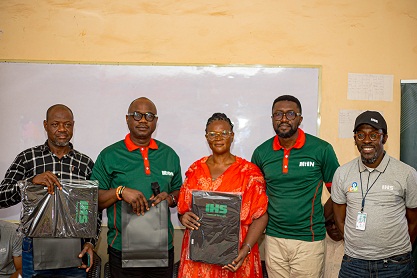
In commemoration of the 2025 International Men’s Day, IHS Nigeria has hosted an outreach event at Ifesowapo Aboru Secondary School, Ipaja, Lagos State. The initiative was aimed at inspiring and empowering young students through conversations centered on leadership, respect, mental health, responsibility, and gender equity.
Welcoming the IHS team to the school, Director and Principal of Ifesowapo Aboru Secondary School, Giwa Muyideen, expressed appreciation for the company’s ongoing commitment to educational advancement.
“We are deeply honoured to have IHS Nigeria here to commemorate International Men’s Day with us. We thank them for what they have done, what they continue to do, and what they will yet do for our school and community. He said. “
He further emphasized the importance of encouraging students to pursue careers in Science, Technology, Engineering, and Mathematics (STEM), noting that such fields provide the strength and creativity needed to innovate and excel.
In his introductory remarks, Associate Director, Legal, IHS Nigeria, Gbenga Bello, reaffirmed the company’s commitment to fostering positive values and supporting young people within its host communities.
 He explained that celebrating International Men’s Day in a school environment was intentional, as it provides an opportunity to engage boys at a formative age on themes of responsibility, leadership, and wellbeing.
“International Men’s Day reminds us of the role men and boys play in building stronger, more compassionate societies.
 At IHS Nigeria, we believe that empowering young minds, especially through education, mentorship, and value-based conversations is one of the most meaningful ways we can contribute to our community. We are here because the future we want begins with the boys we guide today.” He said.
The outreach featured two key sessions, an interactive discussion and a mentorship dialogue. The interactive session, facilitated by Morakinyo Fadipe, Associate Director, Human Resources at IHS Nigeria Limited, encouraged students to think critically about decision-making, responsibility, and respect for themselves and others. He emphasized that the choices they make ultimately shape who they become and that true leadership begins with self-awareness, responsibility, empathy, and respect in everyday actions.
The mentorship dialogue, led by Adepoju Adebusayo, Senior Specialist, Human Resources at IHS Nigeria, focused on resilience, making wise choices, and modelling positive behaviour in society. He drew from personal experiences to remind students that challenges are opportunities for growth and stressed the importance of perseverance and consistent effort in achieving their goals.
The event concluded with a heartfelt vote of thanks from Giwa Muyideen, who expressed deep appreciation for IHS Nigeria’s consistent support for educational development.
He noted that the school is proud of its partnership with the company, describing IHS Nigeria as a reliable ally in empowering students and improving school facilities, and shared optimism for even greater collaboration in the future.
This outreach is one of many initiatives under IHS Nigeria’s community development programs, which continue to support schools, promote gender balance, and nurture leadership skills among young Nigerians.
FirstBank Introduces Vybe Hub To Elevate Customer Experiences For DecemberIssaVybe

By Bolaji Israel

Seth Godin, an American author, entrepreneur and one of the world’s most influential business thinkers said “A great brand always raises the bar — it adds a greater sense of purpose to the experience.” Godin’s thought aligns with a related view that “Enduring brands are those that pursue progress with intentional restlessness, continually elevating their standards across every action, every choice, and every expression of their purpose.”

This is a truth that echoes across the business world, but only a handful of institutions live it with the kind of consistency that makes the saying feel almost crafted for them. FirstBank of Nigeria stands firmly in that category.

For 131 years, the Bank has remained a foremost financial powerhouse in Africa not by resting on heritage, but by innovating—relentlessly, deliberately, and with a pulse tuned to the evolving aspirations of its customers.

This December, that tradition of raising the bar takes on a vibrant new expression with the launch of Vybe Hub, a dedicated microsite designed to elevate FirstBank’s famed DecemberIssaVybe (DIAV) campaign to an even higher level of excitement. The campaign—running since 2018 under the Bank’s First@Arts initiative—has become synonymous with December in Nigeria. It has supported the country’s creative and entertainment ecosystem while giving customers premium, curated access to the very best concerts, shows, musicals, plays, festivals, and fashion experiences that define Lagos’ festive season.

Now, with Vybe Hub, FirstBank isn’t just sustaining the tradition; it is amplifying it, modernising it, and packaging it in a way that gives customers more choice, more access, more rewards, more visibility, and ultimately more December memories.

A Platform That Gives December Its Groove

Vybe Hub is designed as an all-in-one digital experience for Vybers—those young-at-heart, culture-loving customers who want to be at the centre of the festivities without missing a beat. The platform brings order and convenience to what is usually a chaotic, overbooked season by helping customers secure exclusive access to the hottest concerts, festivals, and entertainment events. But the real magic of Vybe Hub lies in how experiential it is. It doesn’t just give access—it gives enhanced access, wrapped in rewards and surprise perks.

Vybers can get instant giveaways ranging from airtime to cashback on tickets and other goodies that make the entire season feel personalised. In a world where costs are rising and festive outings can take a toll on the wallet, these giveaways offer refreshing relief and signal FirstBank’s commitment to adding tangible value.

The platform also introduces the Vybe Wall of Fame, a curated space where Vybers can upload their best pictures and videos. It’s an invitation to show off, celebrate, and relive December’s finest moments while gaining visibility in the broader DecemberIssaVybe community. It also deepens the sense of belonging—because DecemberIssaVybe has always thrived on community energy.

Beyond personal experiences, Vybe Hub doubles as a collaboration channel. Corporates and individuals looking to connect with young Nigerians now have an exciting avenue to partner with FirstBank during the campaign. It is a win-win: brands reach the most vibrant demographic during the country’s busiest social season, while Vybers enjoy richer, more diverse experiences.

Bundles Built Around You

A major highlight of the 2025 edition is the introduction of three DecemberIssaVybe Bundles, curated to ensure no customer is left out of the fun—regardless of budget, preference, or how loudly they like their December to roar.

The Vybers Starter Pack is perfect for those easing themselves into the festive wave. It offers essential access and perks that guarantee you will not watch December from the sidelines, giving you a comfortable entry point into the season’s biggest experiences.

For those who prefer their December with a bit more flair and elevated excitement, the Vybers Premium Pack delivers a fuller experience. It offers expanded access, more rewards, and a richer blend of curated events—ideal for people who like their festive calendar busy, bold, and carefully orchestrated without the stress of last-minute ticket hunts.

Then there is the Vybers Ultimate Pack, created for the true December connoisseur—the Vyber who wants front-row seats, premium access, top-tier giveaways, and a December curated to perfection. This pack brings the loudest, most unforgettable version of the season, ensuring you glide through December with VIP energy and unmatched access. Together, these bundles create a buffet of excitement where every Vyber can simply choose their flavour and step into a December tailored for them.

CSR Meets Entertainment—And Everyone Wins

Since its inception, DecemberIssaVybe has been more than a seasonal marketing project. It represents FirstBank’s long-term investment in the creative economy. The bank has fuelled the ecosystem by consistently sponsoring festivals, concerts, and cultural showcases—giving Nigerian creatives a stronger platform while providing customers with access that might otherwise be out of reach.

This is corporate responsibility at its most responsive: supporting an industry that employs thousands of young people, shapes national identity, and improves quality of life. By launching Vybe Hub, FirstBank is not only enhancing customer experience but also strengthening a sector that feeds the aspirations of the nation’s youth.

Don’t Miss Out—This December Is Different

Perhaps the most compelling message of all is this: DecemberIssaVybe 2025 is not business as usual. With the Vybe Hub, things are faster, more connected, more curated, and more rewarding. The events will sell out. The memories will be massive. The season will be a whirlwind. And the question is simple: Will you be part of it?

If you want the access, the giveaways, the early tickets, the curated wall-of-fame moments, the bragging rights, and a December packed with premium energy, now is the time to move. Visit www.decemberissavybe.com, pick your bundle, and claim your space before the Vybe wave sweeps past.

Because December isn’t waiting. And this year, FirstBank has made sure the Vybe is bigger than ever.

Fidelity Bank, FMDQ, UBA, CSCS For CAMCAN 2025 Workshop


Amaka Obiefuna


CAMCAN Sets 2025 Workshop Agenda, Highlights ISA Reforms and Investment Climate

The Capital Market Correspondents Association of Nigeria (CAMCAN) has concluded plans to host its 2025 annual workshop, a key engagement platform designed to deepen dialogue and strengthen policy direction across Nigeria’s capital market and the wider economy.

The workshop scheduled for December 6 and 7, 2025, at Orchid Hotels, Ajah, Lagos, will focus on the theme: “Regulatory Reforms: ISA 2025 and Nigeria’s Investment Climate.”

The theme underscores the increasing urgency for coordinated regulatory reforms to stabilise the financial system, enhance investor confidence, and reposition the market for global competitiveness.

In a statement, CAMCAN said the workshop will highlight how the forthcoming Investments and Securities Act (ISA) 2025 is expected to serve as a transformative legal framework capable of driving the depth, efficiency, and innovation required in Nigeria’s capital market.

The association described the Act as a forward-looking instrument that goes beyond merely replacing the 2007 legislation.

According to CAMCAN, ISA 2025 will strengthen the Securities and Exchange Commission by explicitly defining its regulatory objectives, powers, and functions—ranging from investor protection and market transparency to curbing unlawful practices, reducing systemic risk, and supporting capital formation.

The clarity of mandate, it added, is one of the most significant improvements expected to advance market governance and align Nigeria with international best practices while addressing domestic peculiarities.

The two-day workshop is expected to convene regulators, market operators, economists, bank executives, and other stakeholders for strategic discussions around the evolving investment climate.

The Director-General of the SEC, Dr Emomotimi Agama, will attend as the Special Guest of Honour.

The Chairman of the Nigerian Exchange Group Plc, Alhaji Umaru Kwairanga, will chair the event, while the Group Managing Director/Chief Executive Officer of GTI Group, Mr Abubakar Lawal, will deliver the keynote address.

The Chief Executive Officer of the Nigerian Exchange (NGX) Group, Mr Temi Popoola, and the Group Chief Operating Officer of FMDQ Group, Ms. Tumi Sekoni, will serve as guests of honour.

A panel session featuring representatives from key regulatory bodies and capital market institutions will further dissect the keynote address, offering expert perspectives on reform priorities and market development strategies.

CAMCAN noted that its annual workshop remains central to its mandate of promoting market development through research, advocacy, and sustained engagement.

The 2025 edition, it said, will contribute significantly to ongoing conversations around economic stability, investor protection, and market modernisation.

As Nigeria continues to navigate macroeconomic headwinds, the deliberations and recommendations arising from the workshop are expected to guide policy adjustments and industry strategies geared toward building a stronger financial system and a more resilient capital market.

FMDQ Group Plc will lead the list of sponsors for the event.

Other sponsors include Fidelity Bank, United Bank for Africa, NGX Group, the Securities and Exchange Commission, Seplat Energy, Central Securities Clearing System, Oando, Zenith Bank, Access Corporation, FBN Holdings, United Capital, FCMB, VFD Group and Nestlé Nigeria, among others.

SEC vows Intensified Collaboration To Prosecute Ponzi Scheme Perpetrators 

SEC vows intensified collaboration to prosecute Ponzi scheme perpetrators |  Western Post
The Securities and Exchange Commission (SEC) has reaffirmed commitment to strengthen inter-agency collaborations to identify and prosecute the promoters of Ponzi schemes in line with the Investments and Securities Act (ISA) 2025.
The Divisional Head, Legal and Enforcement, SEC, Mr John Achile, said this at the commission’s Journalists’ Academy 2025 in Lagos.
Achille said the commission would strengthen various interagency collaborations to identify the promoters and those trading the assets.
He said SEC would continue to ensure criminal investigation/prosecution in collaboration with law enforcement agencies such as the Nigeria Police Force, EFCC and Office of Attorney General of the Federation among others.
Speaking on the topic: “Combating Investments Fraud, Ponzi Schemes and Illegal Investments,” he said the commission would continue to freeze the accounts and seal-up offices of the preparators.
Highlighting the characteristics of Ponzi scheme, Achile said it requires the entrance of new investors to pay existing investors.
According to him, investors are usually provided with fake documents or incomplete documents.
He listed other characteristics to include high returns on investment with little or no risk, consistent promise of positive returns despite the economics difficulties, not registered by the appropriate regulatory agencies and promoters not known to the regulators.
He urged Nigerians to conduct thorough due diligence and be skeptical of “get-rich-quick” promises in order not to burn their hands.
He called on investors to enquire from regulators of the sector of business touted before investing.
“Ponzi scheme could be structured as investment in agricultural business or processing along the value chain, investment in Bitcoin or cryptocurrency or other digital currencies and investment in gold coins or precious stones,” he said.
He noted that Ponzi scheme undermines confidence in the financial markets, loss of confidence in the regulator and the government  when failurw occurs, reduces deposit in commercial banks, diversion of savings, huge scale of loses to investors and attendant socio-economic problems.